
Nursing practice questions with comprehensive rationales
NurseDive Free Nursing Practice Question
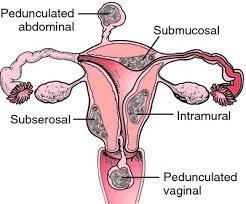
A 40-year-old female presents with cramping and excessive vaginal bleeding. Ultrasound reveals benign uterine tumors in the smooth muscle cells of the myometrium. These tumors are commonly called:
A. adenomas
Adenomas are benign tumors that originate from glandular tissue, such as the endometrium, the inner lining of the uterus.
B. leiomyomas
Leiomyomas, also known as fibroids, are benign tumors that arise from the smooth muscle cells of the myometrium, the middle layer of the uterine wall. They are the most common type of uterine tumors, affecting up to 80% of women by age 50. They can cause symptoms such as heavy menstrual bleeding, pelvic pain, pressure, and infertility.
C. endometriosis.
Endometriosis is a condition where endometrial tissue grows outside the uterus, causing inflammation and pain.
D. adenomyosis
Adenomyosis is a condition where endometrial tissue invades the myometrium, causing enlargement and distortion of the uterus.
This question is an excerpt from Nurse Dive's nursing test bank - Interprofessional Care of the Client and Family Across the Lifespan II Proctored Exam. Take the full exam now
Full Explanation
Choice A rationale: Adenomas are benign tumors that originate from glandular tissue, such as the endometrium, the inner lining of the uterus.
Choice B rationale: Leiomyomas, also known as fibroids, are benign tumors that arise from the smooth muscle cells of the myometrium, the middle layer of the uterine wall. They are the most common type of uterine tumors, affecting up to 80% of women by age 50. They can cause symptoms such as heavy menstrual bleeding, pelvic pain, pressure, and infertility.
Choice C rationale: Endometriosis is a condition where endometrial tissue grows outside the uterus, causing inflammation and pain.
Choice D rationale: Adenomyosis is a condition where endometrial tissue invades the myometrium, causing enlargement and distortion of the uterus.
Similar Questions
The nurse is reviewing the patient lab and the following is shown on the CT: The nurse conclude the patient has :

A. Normal uterus
This is not correct since the picture depicted has uterine tissues deposited in other regions other than the uterus.
B. Endometriosis
Endometriosis is a condition where tissue similar to the endometrium (the lining of the uterus) grows outside the uterus, such as on the ovaries, fallopian tubes, pelvic wall, or bowel. This tissue responds to hormonal changes and bleeds during the menstrual cycle, causing inflammation, pain, and sometimes infertility.
C. Leiomyomas
Leiomyomas, also known as fibroids, are benign tumors that develop from the smooth muscle cells of the uterus. They can vary in size, number, and location within or outside the uterus. They can cause symptoms such as heavy bleeding, pelvic pressure, pain, and infertility.
D. Adenomyosis
Adenomyosis is a condition where endometrial-like tissue grows within the muscular wall of the uterus (the myometrium). This tissue also bleeds during the menstrual cycle, causing the uterus to enlarge and become painful and heavy .
Full Explanation
Choice A rationale: This is not correct since the picture depicted has uterine tissues deposited in other regions other than the uterus.
Choice B rationale: Endometriosis is a condition where tissue similar to the endometrium (the lining of the uterus) grows outside the uterus, such as on the ovaries, fallopian tubes, pelvic wall, or bowel. This tissue responds to hormonal changes and bleeds during the menstrual cycle, causing inflammation, pain, and sometimes infertility.
Choice C rationale: Leiomyomas, also known as fibroids, are benign tumors that develop from the smooth muscle cells of the uterus. They can vary in size, number, and location within or outside the uterus. They can cause symptoms such as heavy bleeding, pelvic pressure, pain, and infertility.
Choice D rationale: Adenomyosis is a condition where endometrial-like tissue grows within the muscular wall of the uterus (the myometrium). This tissue also bleeds during the menstrual cycle, causing the uterus to enlarge and become painful and heavy .
The nurse is caring for a client who presents with acute appendicitis:
Select all that apply?
A. Creatinine, 0.9 mg/dL
This is a normal value, indicating normal renal function. The client does not have any signs of kidney damage or impairment.
B. White blood cell count, 11,500 mm"
This is an elevated value, indicating an infection or inflammation in the body. Acute appendicitis is a common cause of increased white blood cells, as the appendix becomes inflamed and infected. This finding requires immediate follow-up to monitor the client's condition and prevent complications such as perforation or peritonitis.
C. BUN 26 mg/dL.
This is a high value, indicating impaired renal function or dehydration. The client may have decreased urine output due to vomiting and fluid loss, or may have underlying kidney problems. This finding requires immediate follow-up to assess the client's hydration status and renal function, and to provide appropriate fluid and electrolyte replacement.
D. Reports of pain increasing while coughing
This is a sign of peritoneal irritation, which may indicate that the appendix has ruptured or is close to rupturing. This is a medical emergency that requires immediate surgical intervention to remove the appendix and prevent sepsis and shock.
E. Potassium 3.3 mEq/L
This is a low value, indicating hypokalemia or low potassium levels in the blood. The client may have lost potassium due to vomiting and fluid loss, or may have underlying electrolyte imbalances. This finding requires immediate follow-up to assess the client's cardiac function and muscle strength, and to provide appropriate potassium supplementation.
F. Nausea and vomiting
These are common symptoms of acute appendicitis, as the inflammation and infection of the appendix cause irritation of the gastrointestinal tract. These symptoms do not require immediate follow-up, but they should be managed with antiemetics and fluids to prevent dehydration and electrolyte imbalances.
Full Explanation
Choice A rationale: This is a normal value, indicating normal renal function. The client does not have any signs of kidney damage or impairment.
Choice B rationale: This is an elevated value, indicating an infection or inflammation in the body. Acute appendicitis is a common cause of increased white blood cells, as the appendix becomes inflamed and infected. This finding requires immediate follow-up to monitor the client's condition and prevent complications such as perforation or peritonitis.
Choice C rationale: This is a high value, indicating impaired renal function or dehydration. The client may have decreased urine output due to vomiting and fluid loss, or may have underlying kidney problems. This finding requires immediate follow-up to assess the client's hydration status and renal function, and to provide appropriate fluid and electrolyte replacement.
Choice D rationale: This is a sign of peritoneal irritation, which may indicate that the appendix has ruptured or is close to rupturing. This is a medical emergency that requires immediate surgical intervention to remove the appendix and prevent sepsis and shock.
Choice E rationale: This is a low value, indicating hypokalemia or low potassium levels in the blood. The client may have lost potassium due to vomiting and fluid loss, or may have underlying electrolyte imbalances. This finding requires immediate follow-up to assess the client's cardiac function and muscle strength, and to provide appropriate potassium supplementation.
Choice F rationale: These are common symptoms of acute appendicitis, as the inflammation and infection of the appendix cause irritation of the gastrointestinal tract. These symptoms do not require immediate follow-up, but they should be managed with antiemetics and fluids to prevent dehydration and electrolyte imbalances.
The nurse is caring for a client with diabetic ketoacidosis (DKA) receiving intravenous (IV) regular insulin. The most recent potassium was 2.9 mEq/L. The nurse should take which priority action:
A. Assess the client urine output (UOP)
Assessing the UOP is important, but not as urgent as correcting the potassium imbalance.
B. Obtain a 12-lead electrocardiogram (ECG)
Obtaining a 12-lead ECG can help monitor the cardiac status, but it does not address the cause of the problem.
C. Notify the primary healthcare provider (PMHCP)
The PMHCP can order potassium replacement to prevent cardiac arrhythmias and other adverse effects of low potassium levels.
D. Stop the regular insulin infusion
Stopping the regular insulin infusion can worsen the DKA and increase the risk of cerebral edema and coma.
Full Explanation
Choice A rationale: Assessing the UOP is important, but not as urgent as correcting the potassium imbalance.
Choice B rationale: Obtaining a 12-lead ECG can help monitor the cardiac status, but it does not address the cause of the problem.
Choice C rationale: The PMHCP can order potassium replacement to prevent cardiac arrhythmias and other adverse effects of low potassium levels.
Choice D rationale: Stopping the regular insulin infusion can worsen the DKA and increase the risk of cerebral edema and coma.