
Nursing practice questions with comprehensive rationales
NurseDive Free Nursing Practice Question
A charge nurse is observing a newly licensed nurse administer an enteral feeding to a client who has an established gastrostomy tube.
Which of the following actions by the newly licensed nurse indicates that the charge nurse should intervene?
A. The nurse checks the volume of the aspirate.
Choice A is wrong because checking the volume of the aspirate is a correct action to assess gastric residual volume and prevent complications such as nausea, vomiting, and aspiration.
B. The nurse checks the pH of the aspirate.
Choice B is wrong because checking the pH of the aspirate is a correct action to verify the placement of the NG tube and prevent accidental administration of enteral feeding into the lungs.
C. The nurse administers 15 mL of water before administering the feeding.
Choice C is wrong because administering 15 mL of water before administering the feeding is a correct action to flush the NG tube and prevent clogging.
D. The nurse adds food coloring to the tube feeding.
This action indicates that the charge nurse should intervene because adding food coloring to the tube feeding is not recommended and can cause adverse effects such as aspiration, diarrhea, and allergic reactions.
This question is an excerpt from Nurse Dive's nursing test bank - ATI PN Capstone Proctored Comprehensive Assessment 2020 B. Take the full exam now
Full Explanation
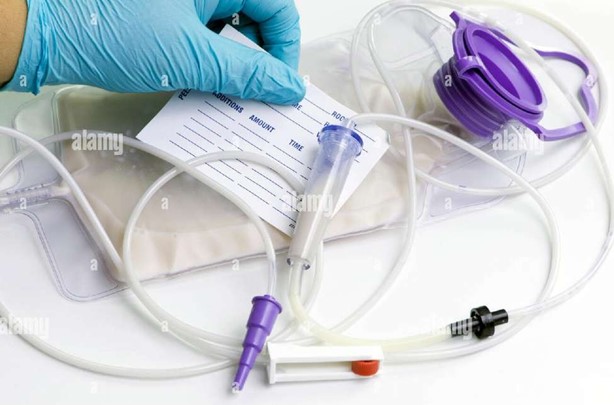
This action indicates that the charge nurse should intervene because adding food coloring to the tube feeding is not recommended and can cause adverse effects such as aspiration, diarrhea, and allergic reactions.
Choice A is wrong because checking the volume of the aspirate is a correct action to assess gastric residual volume and prevent complications such as nausea, vomiting, and aspiration.
Choice B is wrong because checking the pH of the aspirate is a correct action to verify the placement of the NG tube and prevent accidental administration of enteral feeding into the lungs.
Choice C is wrong because administering 15 mL of water before administering the feeding is a correct action to flush the NG tube and prevent clogging.
Normal ranges for gastric residual volume are less than 250 mL for adults and less than 5 mL/kg for children. Normal ranges for pH of gastric aspirate are less than 5.5 for adults and less than 4 for children.
Similar Questions
A nurse is planning care for a client who is 1 day postoperative following abdominal surgery.
Which of the following tasks should the nurse delegate to an assistive personnel?
A. Transferring the client from the bed to a chair.
Transferring the client from the bed to a chair. This is a task that can be delegated to an assistive personnel because it does not require nursing judgment or assessment. The nurse should provide clear instructions and supervise the assistive personnel during the transfer.
B. Checking the client’s surgical dressing for bleeding.
Choice B is wrong because checking the client’s surgical dressing for bleeding is a nursing assessment that requires clinical judgment and cannot be delegated. The nurse should monitor the dressing for signs of infection, drainage, or dehiscence.
C. Determining whether the client has incisional pain.
Choice C is wrong because determining whether the client has incisional pain is a nursing assessment that requires communication and evaluation skills and cannot be delegated. The nurse should assess the client’s pain level, location, quality, and duration and administer pain medication as prescribed.
D. Showing the client how to use an incentive spirometer.
Choice D is wrong because showing the client how to use an incentive spirometer is a nursing intervention that requires teaching and evaluation skills and cannot be delegated. The nurse should instruct the client on how to use the device to promote lung expansion and prevent atelectasis.
Full Explanation
Transferring the client from the bed to a chair. This is a task that can be delegated to an assistive personnel because it does not require nursing judgment or assessment. The nurse should provide clear instructions and supervise the assistive personnel during the transfer.
Choice B is wrong because checking the client’s surgical dressing for bleeding is a nursing assessment that requires clinical judgment and cannot be delegated.
The nurse should monitor the dressing for signs of infection, drainage, or dehiscence.
Choice C is wrong because determining whether the client has incisional pain is a nursing assessment that requires communication and evaluation skills and cannot be delegated.
The nurse should assess the client’s pain level, location, quality, and duration and administer pain medication as prescribed.
Choice D is wrong because showing the client how to use an incentive spirometer is a nursing intervention that requires teaching and evaluation skills and cannot be delegated.
The nurse should instruct the client on how to use the device to promote lung expansion and prevent atelectasis.
A nurse is reinforcing home safety instructions with the guardian of an 18-month- old toddler.
Which of the following responses by the guardian indicates an understanding of the teaching?
A. “I will turn all pot handles toward the back of the stove.”
“I will turn all pot handles toward the back of the stove.” This indicates that the guardian understands how to prevent the toddler from pulling a pot off the stove and getting burned.
B. “I will place my child’s car seat forward-facing in the backseat.”
Choice B is wrong because a child’s car seat should be rear-facing until the child is at least 2 years old or reaches the maximum height and weight for the seat.
C. “I will set the temperature of the water heater to 130 degrees.”
Choice C is wrong because the temperature of the water heater should be set to no higher than 120 degrees to prevent scalding injuries.
D. “I will place my child in a drop-side crib for napping.”
Choice D is wrong because drop-side cribs are banned in the United States due to the risk of entrapment and suffocation.
Full Explanation
“I will turn all pot handles toward the back of the stove.” This indicates that the guardian understands how to prevent the toddler from pulling a pot off the stove and getting burned.
Choice B is wrong because a child’s car seat should be rear-facing until the child is at least 2 years old or reaches the maximum height and weight for the seat.
Choice C is wrong because the temperature of the water heater should be set to no higher than 120 degrees to prevent scalding injuries.
Choice D is wrong because drop-side cribs are banned in the United States due to the risk of entrapment and suffocation.
A nurse is caring for a client who has heart failure and is taking furosemide.
Which of the following statements by the client indicates a need for the nurse to intervene?
A. “I’m urinating in larger amounts.”
Choice A is wrong because “I’m urinating in larger amounts.” is an expected outcome of taking furosemide, which is a loop diuretic that increases urine output and reduces fluid retention.
B. “I have to sleep sitting up.”
This statement indicates that the client has orthopnea, which is a sign of worsening heart failure and fluid overload. The nurse should intervene by assessing the client’s vital signs, oxygen saturation, lung sounds, and edema, and notifying the provider for possible diuretic adjustment.
C. “I suck on hard candy for my dry mouth.”
Choice C is wrong because “I suck on hard candy for my dry mouth.” is a harmless way to cope with the side effect of dry mouth caused by furosemide.
D. “I’ve lost 3 pounds in the last week.”
Choice D is wrong because “I’ve lost 3 pounds in the last week.” is a positive sign that the client is losing excess fluid and improving their heart failure condition. A weight loss of 2 to 4 pounds per week is acceptable for clients taking diuretics.
Full Explanation
This statement indicates that the client has orthopnea, which is a sign of worsening heart failure and fluid overload. The nurse should intervene by assessing the client’s vital signs, oxygen saturation, lung sounds, and edema, and notifying the provider for possible diuretic adjustment.
Choice A is wrong because “I’m urinating in larger amounts.” is an expected outcome of taking furosemide, which is a loop diuretic that increases urine output and reduces fluid retention.
Choice C is wrong because “I suck on hard candy for my dry mouth.” is a harmless way to cope with the side effect of dry mouth caused by furosemide.
Choice D is wrong because “I’ve lost 3 pounds in the last week.” is a positive sign that the client is losing excess fluid and improving their heart failure
condition. A weight loss of 2 to 4 pounds per week is acceptable for clients taking diuretics.
Normal ranges for heart failure clients are:
- Blood pressure: less than 140/90 mmHg
- Heart rate: 60 to 100 beats per minute
- Respiratory rate: 12 to 20 breaths per minute
- Oxygen saturation: greater than 95%
- Weight: stable or decreasing within 2 to 4 pounds per week