
Nursing practice questions with comprehensive rationales
NurseDive Free Nursing Practice Question
A charge nurse is providing an in-service to a group of staff nurses about unexpected events. Which of the following should the nurse include in the teaching as an example of a sentinel event?
A. A client fell out of bed and fractured their hip.
A sentinel event is an unexpected event in a healthcare setting that causes or has the potential to cause death, serious physical or psychological injury, or loss of limb or function to a patient1. A client falling out of bed and fracturing their hip would be considered a sentinel event because it is an unexpected event that resulted in serious physical injury.
B. A client was prescribed a medication they were allergic to, but the prescription was canceled before the medication was given.
None
C. A client had bowel surgery and died from sepsis.
None
D. A client was almost given another client’s medication.
None
This question is an excerpt from Nurse Dive's nursing test bank - NURS 100 fundamentals swami test 14.18.23 proctored exam. Take the full exam now
Full Explanation
A sentinel event is an unexpected event in a healthcare setting that causes or has the potential to cause death, serious physical or psychological injury, or loss of limb or function to a patient1. A client falling out of
bed and fracturing their hip would be considered a sentinel event because it is an unexpected event that resulted in serious physical injury.
Similar Questions
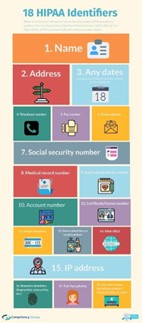
A nurse is preparing a client for a procedure. Which of the following is an acceptable identifier to identify the client?
A. Telephone number
Acceptable identifiers for patients in healthcare include the patient’s full name, date of birth, medical record number, and telephone number12. These identifiers are used to reliably identify the individual as the person for whom the service or treatment is intended and to match the service or treatment to that individual.
B. home address
C. Room number
D. medical condition
Full Explanation
Acceptable identifiers for patients in healthcare include the patient’s full name, date of birth, medical record number, and telephone number12. These identifiers are used to reliably identify the individual as the person for whom the service or treatment is intended and to match the service or treatment to that individual.
A nurse is teaching a client about maintaining skin integrity to decrease the risk of infection. Which of the following should the nurse include in the teaching?
A. Use a moisturizer on your skin after cleaning.
To maintain skin integrity and decrease the risk of infection, it is important to keep the skin clean and well lubricated1. Using a moisturizer on your skin after cleaning can help to maximize lipid barriers and prevent dryness2. It is also important to avoid hot water during bathing as it can increase dryness and cause cracked skin2.
B. Rub your skin firmly when cleaning.
C. Allow your skin to air dry after bathing.
D. Wash your skin daily with hot water.
Full Explanation
To maintain skin integrity and decrease the risk of infection, it is important to keep the skin clean and well lubricated1. Using a moisturizer on your skin after cleaning can help to maximize lipid barriers and prevent dryness2. It is also important to avoid hot water during bathing as it can increase dryness and cause cracked skin2.
A nurse is caring for a client who has an irregular heart rate. Which of the following actions should the nurse take?
A. Check the client’s heart rate for 30 seconds.
B. Palpate the client’s pulse at the third intercostal space.
C. Ask the client to perform the Valsalva maneuver.
D. Auscultate the client’s apical pulse.
When caring for a client who has an irregular heart rate, the nurse should auscultate the client’s apical pulse to accurately assess their heart rate1. An electrocardiogram (ECG or EKG) may also be used to measure the timing and duration of each electrical phase in the heartbeat
Full Explanation
When caring for a client who has an irregular heart rate, the nurse should auscultate the client’s apical pulse to accurately assess their heart rate1. An electrocardiogram (ECG or EKG) may also be used to measure the timing and duration of each electrical phase in the heartbeat