
Nursing practice questions with comprehensive rationales
NurseDive Free Nursing Practice Question
A child is admitted with a suspected diagnosis of Wilms’ tumor. The nurse should place a sign with which of the following warnings over the child’s bed?
A. Collect all urine.
Collecting all urine may be a part of the diagnostic process, but it is not the primary warning associated with Wilms' tumor.
B. Contact precautions.
Contact precautions are not typically required for Wilms' tumor.
C. Do not palpate abdomen.
The warning "Do not palpate abdomen" is crucial because palpation can potentially disrupt the tumor and cause hemorrhage.
D. No venipuncture or blood pressure in left arm.
No venipuncture or blood pressure in the left arm is not a typical precaution associated with Wilms' tumor. The emphasis is on avoiding abdominal palpation to prevent trauma to the tumor.
This question is an excerpt from Nurse Dive's nursing test bank - Ati Paediatric Final Proctored Exam 2. Take the full exam now
Full Explanation
A. Collecting all urine may be a part of the diagnostic process, but it is not the primary warning associated with Wilms' tumor.
B. Contact precautions are not typically required for Wilms' tumor.
C. The warning "Do not palpate abdomen" is crucial because palpation can potentially disrupt the tumor and cause hemorrhage.
D. No venipuncture or blood pressure in the left arm is not a typical precaution associated with Wilms' tumor. The emphasis is on avoiding abdominal palpation to prevent trauma to the tumor.
Similar Questions
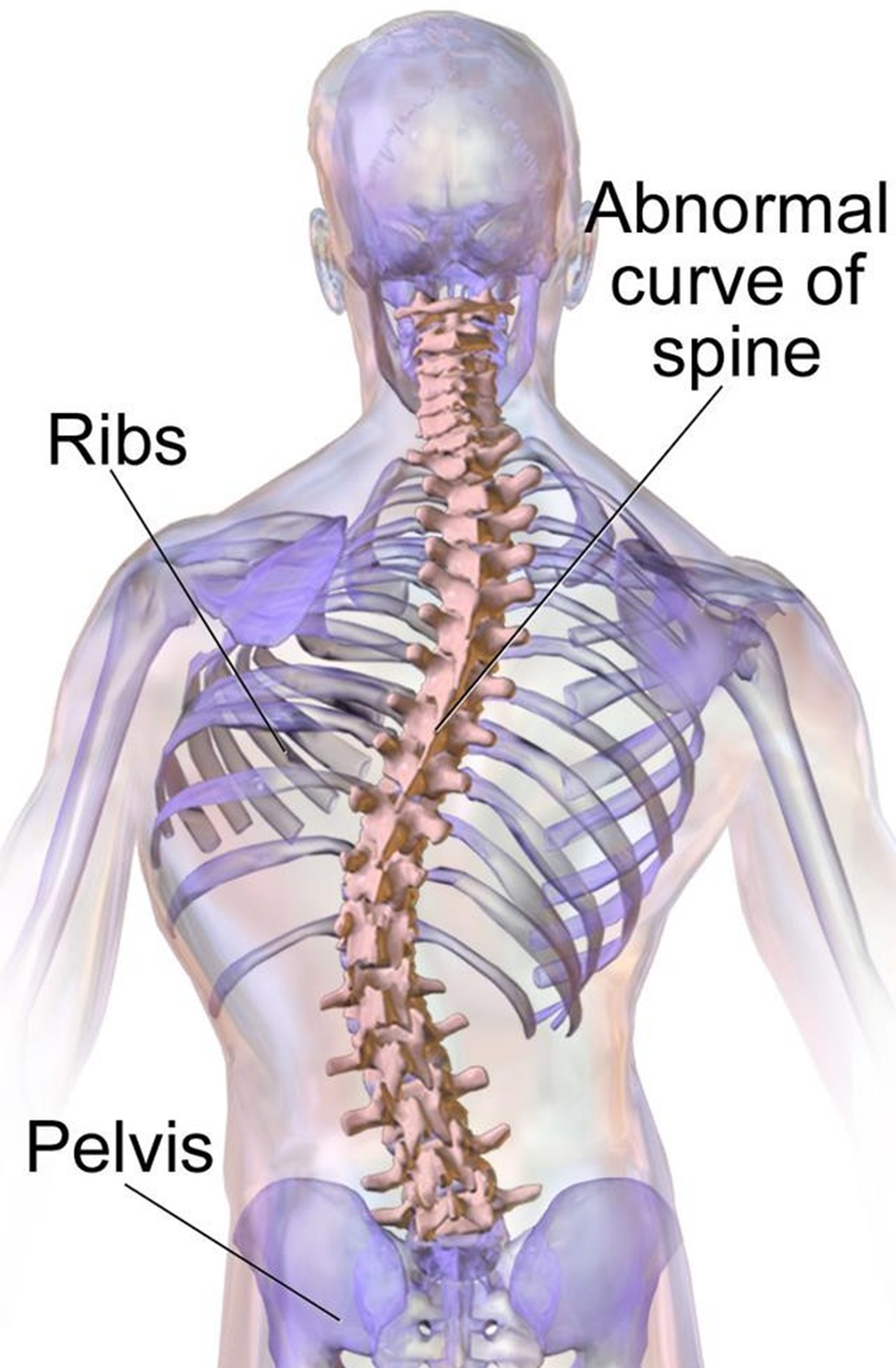
A nurse is assisting with a routine physical examination of an adolescent. The provider observes a lateral curvature of the spine. The nurse should expect the provider to document which of the following disorders?
A. Scoliosis
Scoliosis is a lateral curvature of the spine. It is commonly assessed during routine physical examinations, especially in adolescents.
B. Lordosis
Lordosis refers to an exaggerated inward curvature of the spine, typically in the lumbar region.
C. Torticollis
Torticollis is a condition characterized by a tilt of the head to one side due to the shortening of muscles on one side of the neck.
D. Kyphosis
Kyphosis is an exaggerated outward curvature of the thoracic spine, leading to a rounded upper back.
Full Explanation
A. Scoliosis is a lateral curvature of the spine. It is commonly assessed during routine physical examinations, especially in adolescents.
B. Lordosis refers to an exaggerated inward curvature of the spine, typically in the lumbar region.
C. Torticollis is a condition characterized by a tilt of the head to one side due to the shortening of muscles on one side of the neck.
D. Kyphosis is an exaggerated outward curvature of the thoracic spine, leading to a rounded upper back.
A nurse is caring for a 4-year-old child who has a new diagnosis of diabetes mellitus and is distressed after an insulin injection. Which of the following play activities should the nurse recognize is therapeutic in helping the child deal with the injection?
A. A period of play in the playroom
While play in the playroom is generally beneficial, providing a specific activity related to the child's distress from the insulin injection is more targeted.
B. A needleless syringe and a doll
Offering a needleless syringe and a doll allows the child to engage in play that mimics the experience of receiving an injection. This can help the child gain a sense of control and understanding of the procedure.
C. A video game
A video game may serve as a distraction, but it may not specifically address the child's distress related to the insulin injection.
D. A storybook about a child who has diabetes
A storybook about a child who has diabetes may provide education and reassurance, but it may not actively engage the child in a therapeutic play activity related to the injection experience.
Full Explanation
A. While play in the playroom is generally beneficial, providing a specific activity related to the child's distress from the insulin injection is more targeted.
B. Offering a needleless syringe and a doll allows the child to engage in play that mimics the experience of receiving an injection. This can help the child gain a sense of control and understanding of the procedure.
C. A video game may serve as a distraction, but it may not specifically address the child's distress related to the insulin injection.
D. A storybook about a child who has diabetes may provide education and reassurance, but it may not actively engage the child in a therapeutic play activity related to the injection experience.
A nurse is caring for a child who has acute gastroenteritis but is able to tolerate oral fluids.
The nurse should anticipate providing which of the following types of fluid?
A. Water
Water alone may not provide the necessary electrolytes and sugars to help rehydrate the child effectively.
B. Oral rehydration solution
Oral rehydration solution is specifically designed to replace fluids and electrolytes lost during episodes of diarrhea or vomiting. It is the recommended choice for managing dehydration due to acute gastroenteritis.
C. Broth
Broth may provide some fluid but lacks the optimal balance of electrolytes and sugars found in oral rehydration solutions.
D. Diluted apple juice
Diluted apple juice may not be as effective as an oral rehydration solution in replacing electrolytes and preventing dehydration.
Full Explanation
A. Water alone may not provide the necessary electrolytes and sugars to help rehydrate the child effectively.
B. Oral rehydration solution is specifically designed to replace fluids and electrolytes lost during episodes of diarrhea or vomiting. It is the recommended choice for managing dehydration due to acute gastroenteritis.
C. Broth may provide some fluid but lacks the optimal balance of electrolytes and sugars found in oral rehydration solutions.
D. Diluted apple juice may not be as effective as an oral rehydration solution in replacing electrolytes and preventing dehydration.