Nursing practice questions with comprehensive rationales
NurseDive Free Nursing Practice Question
A client diagnosed with cholecystitis reports right upper quadrant pain that radiates to the right shoulder. Which of the following interventions is the priority for the nurse to implement?
A. Administer IV ketorolac.
reason: This is incorrect because administering IV ketorolac is not a priority intervention for a client with cholecystitis. Ketorolac is a nonsteroidal anti-inflammatory drug (NSAID) that can cause gastrointestinal bleeding and kidney damage, which are contraindicated in cholecystitis. The nurse should administer analgesics as prescribed, but only after assessing the pain level and severity.
B. Report findings to healthcare provider.
reason: This is incorrect because reporting findings to healthcare provider is not a priority intervention for a client with cholecystitis. The nurse should communicate with the healthcare provider about the client's condition and treatment plan, but only after assessing the pain level and other vital signs.
C. Offer a high-calorie, high-fat meal.
reason: This is incorrect because offering a high-calorie, high-fat meal is not an intervention for a client with cholecystitis, but a potential trigger. High-fat foods can stimulate the gallbladder to contract and cause more pain and inflammation. The nurse should advise the client to avoid fatty foods and follow a low-fat diet.
D. Assess the pain level.
reason: This is the correct answer because assessing the pain level is a priority intervention for a client with cholecystitis. Pain is the most common symptom of cholecystitis and can indicate the severity and complications of the condition. The nurse should assess the pain level using a numeric or descriptive scale, and monitor for changes in location, intensity, and duration.
This question is an excerpt from Nurse Dive's nursing test bank - ATI Med Surg Proctored Exam 4. Take the full exam now
Full Explanation
Choice A reason: This is incorrect because administering IV ketorolac is not a priority intervention for a client with cholecystitis. Ketorolac is a nonsteroidal anti-inflammatory drug (NSAID) that can cause gastrointestinal bleeding and kidney damage, which are contraindicated in cholecystitis. The nurse should administer analgesics as prescribed, but only after assessing the pain level and severity.
Choice B reason: This is incorrect because reporting findings to healthcare provider is not a priority intervention for a client with cholecystitis. The nurse should communicate with the healthcare provider about the client's condition and treatment plan, but only after assessing the pain level and other vital signs.
Choice C reason: This is incorrect because offering a high-calorie, high-fat meal is not an intervention for a client with cholecystitis, but a potential trigger. High-fat foods can stimulate the gallbladder to contract and cause more pain and inflammation. The nurse should advise the client to avoid fatty foods and follow a low-fat diet.
Choice D reason: This is the correct answer because assessing the pain level is a priority intervention for a client with cholecystitis. Pain is the most common symptom of cholecystitis and can indicate the severity and complications of the condition. The nurse should assess the pain level using a numeric or descriptive scale, and monitor for changes in location, intensity, and duration.
Similar Questions
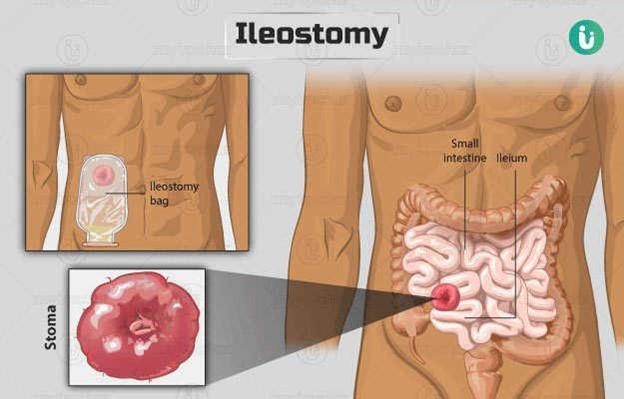
A client has just had surgery to create an ileostomy. The nurse assesses the client in the immediate postoperative period for which most frequent complication of this type of surgery?
A. Intestinal obstruction
Reason: This is incorrect because intestinal obstruction is not a common complication of ileostomy surgery. An ileostomy is a surgical opening in the abdomen that connects the end of the small intestine (ileum) to a pouch or bag outside the body. This allows stool to bypass the colon and rectum. Intestinal obstruction can occur if there is a blockage or narrowing in any part of the digestive tract, but it is more likely to affect the colon than the ileum.
B. Folate deficiency
Reason: This is incorrect because folate deficiency is not a common complication of ileostomy surgery. Folate is a vitamin that is essential for DNA synthesis and cell division. Folate is mainly absorbed in the jejunum, which is the middle part of the small intestine. An ileostomy does not affect the jejunum, so it does not interfere with folate absorption.
C. Malabsorption of fat
Reason: This is incorrect because malabsorption of fat is not a common complication of ileostomy surgery. Fat is digested and absorbed in both the small and large intestine. An ileostomy does not affect fat digestion, but it may reduce fat absorption by decreasing the transit time and surface area of the intestine. However, this is usually not significant enough to cause malabsorption symptoms.
D. Fluid and electrolyte imbalance
Reason: This is correct because fluid and electrolyte imbalance is a common complication of ileostomy surgery. Fluid and electrolytes are mainly absorbed in the colon, which is bypassed by an ileostomy. This can result in increased fluid and electrolyte loss through stool, especially sodium and potassium. This can lead to dehydration, hypotension, weakness, cramps, or arrhythmias.
Full Explanation
Choice A Reason: This is incorrect because intestinal obstruction is not a common complication of ileostomy surgery. An ileostomy is a surgical opening in the abdomen that connects the end of the small intestine (ileum) to a pouch or bag outside the body. This allows stool to bypass the colon and rectum. Intestinal obstruction can occur if there is a blockage or narrowing in any part of the digestive tract, but it is more likely to affect the colon than the ileum.
Choice B Reason: This is incorrect because folate deficiency is not a common complication of ileostomy surgery. Folate is a vitamin that is essential for DNA synthesis and cell division. Folate is mainly absorbed in the jejunum, which is the middle part of the small intestine. An ileostomy does not affect the jejunum, so it does not interfere with folate absorption.
Choice C Reason: This is incorrect because malabsorption of fat is not a common complication of ileostomy surgery. Fat is digested and absorbed in both the small and large intestine. An ileostomy does not affect fat digestion, but it may reduce fat absorption by decreasing the transit time and surface area of the intestine. However, this is usually not significant enough to cause malabsorption symptoms.
Choice D Reason: This is correct because fluid and electrolyte imbalance is a common complication of ileostomy surgery. Fluid and electrolytes are mainly absorbed in the colon, which is bypassed by an ileostomy. This can result in increased fluid and electrolyte loss through stool, especially sodium and potassium. This can lead to dehydration, hypotension, weakness, cramps, or arrhythmias.
A client diagnosed with contact dermatitis is receiving education from the nurse. Which of the following therapies will the nurse recommend to the client?
A. Phototherapy
Reason: This is incorrect because phototherapy is not a recommended therapy for contact dermatitis. Phototherapy involves exposing the skin to artificial light sources that emit specific wavelengths of light that can have anti-inflammatory or immunomodulatory effects. Phototherapy can be used for some skin conditions, such as psoriasis or eczema, but not for contact dermatitis.
B. Antibiotics
Reason: This is incorrect because antibiotics are not a recommended therapy for contact dermatitis. Antibiotics are drugs that kill or inhibit bacteria that cause infections. Contact dermatitis is not an infection, but an allergic or irritant reaction to a substance that comes in contact with the skin. Antibiotics have no effect on contact dermatitis and may cause adverse effects or resistance.
C. UV light
Reason: This is incorrect because UV light is not a recommended therapy for contact dermatitis. UV light refers to ultraviolet radiation from sunlight or artificial sources that can damage DNA and cause skin cancer or aging. UV light can also worsen contact dermatitis by increasing inflammation and sensitivity to allergens or irritants.
D. Avoidance
Reason: This is correct because avoidance is the best therapy for contact dermatitis. Avoidance means identifying and avoiding the substance that causes the skin reaction. This can prevent further exposure and allow the skin to heal. The nurse can help the client by providing education on how to read labels, use protective clothing or gloves, or substitute safer products.
Full Explanation
Choice A Reason: This is incorrect because phototherapy is not a recommended therapy for contact dermatitis. Phototherapy involves exposing the skin to artificial light sources that emit specific wavelengths of light that can have anti-inflammatory or immunomodulatory effects. Phototherapy can be used for some skin conditions, such as psoriasis or eczema, but not for contact dermatitis.
Choice B Reason: This is incorrect because antibiotics are not a recommended therapy for contact dermatitis. Antibiotics are drugs that kill or inhibit bacteria that cause infections. Contact dermatitis is not an infection, but an allergic or irritant reaction to a substance that comes in contact with the skin. Antibiotics have no effect on contact dermatitis and may cause adverse effects or resistance.
Choice C Reason: This is incorrect because UV light is not a recommended therapy for contact dermatitis. UV light refers to ultraviolet radiation from sunlight or artificial sources that can damage DNA and cause skin cancer or aging. UV light can also worsen contact dermatitis by increasing inflammation and sensitivity to allergens or irritants.
Choice D Reason: This is correct because avoidance is the best therapy for contact dermatitis. Avoidance means identifying and avoiding the substance that causes the skin reaction. This can prevent further exposure and allow the skin to heal. The nurse can help the client by providing education on how to read labels, use protective clothing or gloves, or substitute safer products.
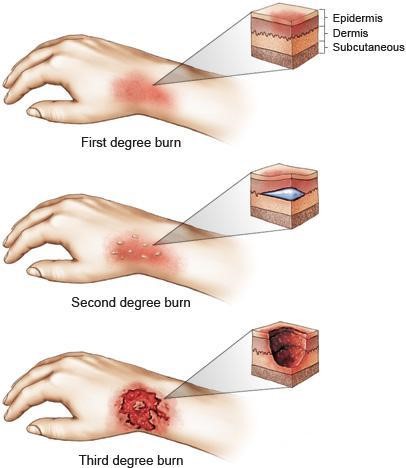
A client is brought to the emergency department with partial-thickness burns to his face, neck, arms, and chest after trying to put out a car fire. The nurse should implement which nursing actions for this client? (Select all that apply.)
A. Submerge client in a cold bath
Choice A Reason: This is incorrect because submerging the client in a cold bath can cause hypothermia, shock, or infection. Cold water can lower the body temperature and blood pressure, which can impair circulation and organ function. Cold water can also introduce bacteria or contaminants into the open wounds. The nurse should use cool water or saline to gently irrigate the burned areas and then cover them with sterile dressings.
B. Administer oxygen
Choice B Reason: This is correct because administering oxygen can help the client breathe better and prevent hypoxia. Burns to the face, neck, or chest can cause swelling or damage to the airway, which can impair gas exchange and oxygen delivery. Oxygen can also reduce the risk of carbon monoxide poisoning, which can occur from inhaling smoke or fumes.
C. Restrict fluids
Choice C Reason: This is incorrect because restricting fluids can worsen dehydration and shock. Burns can cause significant fluid and electrolyte loss through evaporation and leakage from damaged capillaries. This can lead to hypovolemia, which is low blood volume, and hypotension, which is low blood pressure. The nurse should monitor the client's vital signs, urine output, and weight, and administer intravenous fluids as ordered.
D. Provide a meal high in fiber
Choice D Reason: This is incorrect because providing a meal high in fiber can cause abdominal discomfort or diarrhea. Burns can cause paralytic ileus, which is a temporary loss of bowel function due to nerve damage or inflammation. This can impair digestion and absorption of food and cause nausea, vomiting, or constipation. The nurse should assess the client's bowel sounds and provide enteral or parenteral nutrition as ordered.
E. Assess airway
Choice E Reason: This is correct because assessing airway is a priority nursing action for a client with burns. As mentioned above, burns to the face, neck, or chest can compromise the airway and cause respiratory distress or failure. The nurse should assess the client's level of consciousness, breathing rate and pattern, oxygen saturation, and signs of inhalation injury, such as sooty sputum, singed nasal hairs, or hoarseness. The nurse should also be prepared to assist with intubation or tracheostomy if needed.
F. Apply ice to burned areas
Choice F Reason: This is correct because applying ice to burned areas can help reduce pain and swelling. Ice can constrict blood vessels and numb nerve endings, which can decrease inflammation and sensation. However, ice should be applied for no more than 15 minutes at a time and wrapped in a cloth or towel to prevent frostbite or tissue damage. Ice should not be applied to large or deep burns.
Full Explanation
Choice A Reason: This is incorrect because submerging the client in a cold bath can cause hypothermia, shock, or infection. Cold water can lower the body temperature and blood pressure, which can impair circulation and organ function. Cold water can also introduce bacteria or contaminants into the open wounds. The nurse should use cool water or saline to gently irrigate the burned areas and then cover them with sterile dressings.
Choice B Reason: This is correct because administering oxygen can help the client breathe better and prevent hypoxia. Burns to the face, neck, or chest can cause swelling or damage to the airway, which can impair gas exchange and oxygen delivery. Oxygen can also reduce the risk of carbon monoxide poisoning, which can occur from inhaling smoke or fumes.
Choice C Reason: This is incorrect because restricting fluids can worsen dehydration and shock. Burns can cause significant fluid and electrolyte loss through evaporation and leakage from damaged capillaries. This can lead to hypovolemia, which is low blood volume, and hypotension, which is low blood pressure. The nurse should monitor the client's vital signs, urine output, and weight, and administer intravenous fluids as ordered.
Choice D Reason: This is incorrect because providing a meal high in fiber can cause abdominal discomfort or diarrhea. Burns can cause paralytic ileus, which is a temporary loss of bowel function due to nerve damage or inflammation. This can impair digestion and absorption of food and cause nausea, vomiting, or constipation. The nurse should assess the client's bowel sounds and provide enteral or parenteral nutrition as ordered.
Choice E Reason: This is correct because assessing airway is a priority nursing action for a client with burns. As mentioned above, burns to the face, neck, or chest can compromise the airway and cause respiratory distress or failure. The nurse should assess the client's level of consciousness, breathing rate and pattern, oxygen saturation, and signs of inhalation injury, such as sooty sputum, singed nasal hairs, or hoarseness. The nurse should also be prepared to assist with intubation or tracheostomy if needed.
Choice F Reason: This is correct because applying ice to burned areas can help reduce pain and swelling. Ice can constrict blood vessels and numb nerve endings, which can decrease inflammation and sensation. However, ice should be applied for no more than 15 minutes at a time and wrapped in a cloth or towel to prevent frostbite or tissue damage. Ice should not be applied to large or deep burns.