
Nursing practice questions with comprehensive rationales
NurseDive Free Nursing Practice Question
A. Suction equipment at the bedside.
: Suction equipment at the bedside. Having suction equipment at the bedside is crucial for a client with status epilepticus. During a seizure, there is a risk of aspiration due to excessive salivation or vomiting. Suction equipment allows the nurse to quickly clear the airway, preventing aspiration and ensuring the client can breathe properly. This precaution is essential to maintain the client’s airway and prevent complications such as aspiration pneumonia.
B. Continuous sedation.
: Continuous sedation. Continuous sedation is not typically a standard precaution for all clients with status epilepticus. While sedation may be necessary in some cases to control seizures, it is not a universal precaution. The primary goal is to stop the seizure activity and stabilize the client. Continuous sedation may be used in specific situations under close medical supervision, but it is not a general precaution that nurses implement for all clients with status epilepticus.
C. Side rails padded.
: Side rails padded. Padding the side rails of the bed is an important precaution to prevent injury during a seizure. Clients experiencing seizures may have uncontrolled movements, which can lead to injury if they hit the hard surfaces of the bed. Padded side rails help to cushion these impacts, reducing the risk of bruises, cuts, or fractures. This precaution is essential for ensuring the client’s safety during seizure activity.
D. Bed in low position.
: Bed in low position. Keeping the bed in a low position is another important safety measure. If a client with status epilepticus were to fall out of bed during a seizure, the lower height reduces the risk of serious injury. This precaution helps to minimize the impact of any potential falls, ensuring the client’s safety. It is a simple yet effective measure to prevent harm during seizure episodes.
E. Intravenous (IV) access.
: Intravenous (IV) access. Establishing intravenous (IV) access is critical for a client with status epilepticus. IV access allows for the rapid administration of medications needed to control seizures and manage the client’s condition. In an emergency, quick access to the bloodstream is essential for delivering life-saving treatments. This precaution ensures that the medical team can promptly and effectively intervene to stop the seizure activity.
This question is an excerpt from Nurse Dive's nursing test bank - Final Med Surg Comprehensive Proctored Exam (Brooklyn University). Take the full exam now
Full Explanation
Choice A Reason:
Suction equipment at the bedside.
Having suction equipment at the bedside is crucial for a client with status epilepticus. During a seizure, there is a risk of aspiration due to excessive salivation or vomiting. Suction equipment allows the nurse to quickly clear the airway, preventing aspiration and ensuring the client can breathe properly. This precaution is essential to maintain the client’s airway and prevent complications such as aspiration pneumonia.
Choice B Reason:
Continuous sedation.
Continuous sedation is not typically a standard precaution for all clients with status epilepticus. While sedation may be necessary in some cases to control seizures, it is not a universal precaution. The primary goal is to stop the seizure activity and stabilize the client. Continuous sedation may be used in specific situations under close medical supervision, but it is not a general precaution that nurses implement for all clients with status epilepticus.
Choice C Reason:
Side rails padded.
Padding the side rails of the bed is an important precaution to prevent injury during a seizure. Clients experiencing seizures may have uncontrolled movements, which can lead to injury if they hit the hard surfaces of the bed. Padded side rails help to cushion these impacts, reducing the risk of bruises, cuts, or fractures. This precaution is essential for ensuring the client’s safety during seizure activity.
Choice D Reason:
Bed in low position.
Keeping the bed in a low position is another important safety measure. If a client with status epilepticus were to fall out of bed during a seizure, the lower height reduces the risk of serious injury. This precaution helps to minimize the impact of any potential falls, ensuring the client’s safety. It is a simple yet effective measure to prevent harm during seizure episodes.
Choice E Reason:
Intravenous (IV) access.
Establishing intravenous (IV) access is critical for a client with status epilepticus. IV access allows for the rapid administration of medications needed to control seizures and manage the client’s condition. In an emergency, quick access to the bloodstream is essential for delivering life-saving treatments. This precaution ensures that the medical team can promptly and effectively intervene to stop the seizure activity.
Similar Questions
During a routine medical evaluation, a client is found to have a random blood glucose level of 310 mg/dL. Which client statements are concerning to the nurse? Select all that apply.
A. I sleep at least 8 hours each night.
: I sleep at least 8 hours each night. This statement is not concerning because getting adequate sleep is generally a sign of good health. It does not directly relate to symptoms of high blood glucose levels. Therefore, this choice is not relevant to the nurse’s concerns regarding the client’s elevated blood glucose level.
B. I cannot seem to quench my thirst.
: I cannot seem to quench my thirst. This statement is concerning because excessive thirst, known as polydipsia, is a common symptom of high blood glucose levels or hyperglycemia. When blood glucose levels are elevated, the body tries to eliminate the excess glucose through urine, leading to dehydration and increased thirst. This symptom indicates that the client’s blood glucose levels may be poorly controlled, which requires medical attention.
C. I have to void nearly every hour.
: I have to void nearly every hour. Frequent urination, or polyuria, is another symptom of high blood glucose levels. When there is too much glucose in the blood, the kidneys work harder to filter and absorb it. When they can’t keep up, the excess glucose is excreted into the urine, pulling fluids from the tissues and causing frequent urination. This symptom is a clear indicator of hyperglycemia and needs to be addressed by the nurse.
D. At times my vision is blurry.
: At times my vision is blurry. Blurred vision can be a symptom of high blood glucose levels. Elevated glucose levels can cause the lens of the eye to swell, leading to changes in vision. This symptom is concerning because it suggests that the client’s blood glucose levels are affecting their vision, which can be a sign of poorly managed diabetes or other complications.
E. I have lost 10 pounds without even trying.
: I have lost 10 pounds without even trying. Unintentional weight loss is a concerning symptom of high blood glucose levels. When the body cannot use glucose for energy due to insulin resistance or lack of insulin, it starts to break down muscle and fat for energy, leading to weight loss. This symptom indicates that the client’s diabetes may be uncontrolled, and immediate medical intervention is necessary.
Full Explanation
Choice A Reason:
I sleep at least 8 hours each night.
This statement is not concerning because getting adequate sleep is generally a sign of good health. It does not directly relate to symptoms of high blood glucose levels. Therefore, this choice is not relevant to the nurse’s concerns regarding the client’s elevated blood glucose level.
Choice B Reason:
I cannot seem to quench my thirst.
This statement is concerning because excessive thirst, known as polydipsia, is a common symptom of high blood glucose levels or hyperglycemia. When blood glucose levels are elevated, the body tries to eliminate the excess glucose through urine, leading to dehydration and increased thirst. This symptom indicates that the client’s blood glucose levels may be poorly controlled, which requires medical attention.
Choice C Reason:
I have to void nearly every hour.
Frequent urination, or polyuria, is another symptom of high blood glucose levels. When there is too much glucose in the blood, the kidneys work harder to filter and absorb it. When they can’t keep up, the excess glucose is excreted into the urine, pulling fluids from the tissues and causing frequent urination. This symptom is a clear indicator of hyperglycemia and needs to be addressed by the nurse.
Choice D Reason:
At times my vision is blurry.
Blurred vision can be a symptom of high blood glucose levels. Elevated glucose levels can cause the lens of the eye to swell, leading to changes in vision. This symptom is concerning because it suggests that the client’s blood glucose levels are affecting their vision, which can be a sign of poorly managed diabetes or other complications.
Choice E Reason:
I have lost 10 pounds without even trying.
Unintentional weight loss is a concerning symptom of high blood glucose levels. When the body cannot use glucose for energy due to insulin resistance or lack of insulin, it starts to break down muscle and fat for energy, leading to weight loss. This symptom indicates that the client’s diabetes may be uncontrolled, and immediate medical intervention is necessary.
An acute care nurse receives a shift report for a client who has increased intracranial pressure. The nurse is told that the client demonstrates decorticate posturing. Which of the following findings should the nurse expect to observe when assessing the client?
A. Pronation of the hands.
: Pronation of the hands. Pronation of the hands is not typically associated with decorticate posturing. Decorticate posturing is characterized by the flexion of the arms and wrists, with the hands often clenched into fists. Pronation refers to the rotation of the hands so that the palms face downward, which is not a feature of decorticate posturing.
B. Extension of the arms.
: Extension of the arms. Extension of the arms is more characteristic of decerebrate posturing, not decorticate posturing. In decorticate posturing, the arms are flexed and held tightly to the chest, not extended. This flexion is due to damage to the cerebral hemispheres, which affects the corticospinal tract.
C. External rotation of the lower extremities.
: External rotation of the lower extremities. External rotation of the lower extremities is not a typical finding in decorticate posturing. In decorticate posturing, the legs are usually extended and rigid, with the toes pointed. External rotation would indicate a different type of posturing or neurological condition.
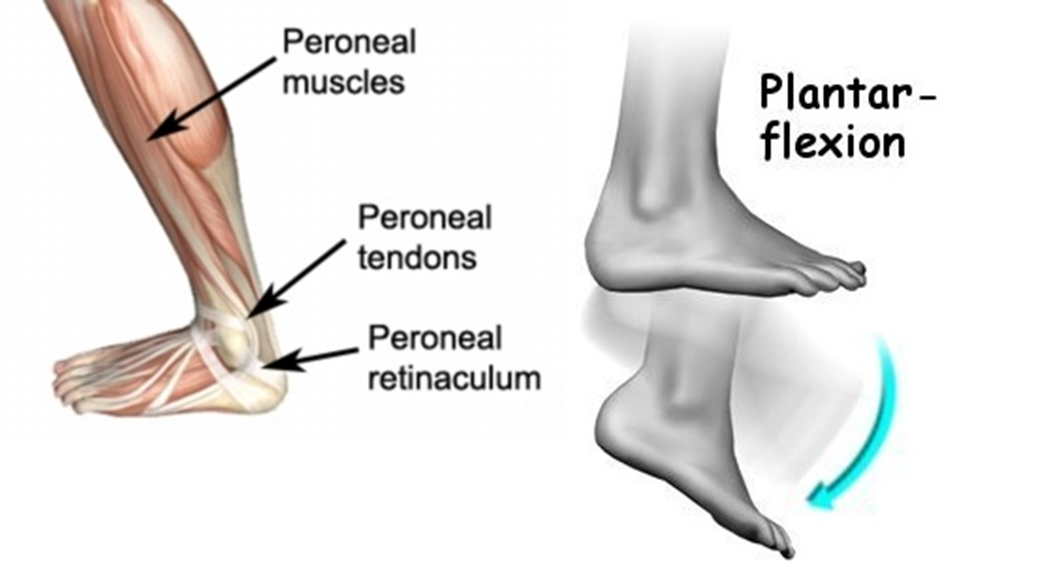
D. Plantar flexion of the legs.
: Plantar flexion of the legs. Plantar flexion of the legs is a characteristic finding in decorticate posturing. This involves the toes pointing downward, which is a result of the increased muscle tone and reflexes due to the brain injury. This posture indicates severe damage to the brain, specifically the corticospinal tract.
Full Explanation
Choice A Reason:
Pronation of the hands.
Pronation of the hands is not typically associated with decorticate posturing. Decorticate posturing is characterized by the flexion of the arms and wrists, with the hands often clenched into fists. Pronation refers to the rotation of the hands so that the palms face downward, which is not a feature of decorticate posturing.
Choice B Reason:
Extension of the arms.
Extension of the arms is more characteristic of decerebrate posturing, not decorticate posturing. In decorticate posturing, the arms are flexed and held tightly to the chest, not extended. This flexion is due to damage to the cerebral hemispheres, which affects the corticospinal tract.
Choice C Reason:
External rotation of the lower extremities.
External rotation of the lower extremities is not a typical finding in decorticate posturing. In decorticate posturing, the legs are usually extended and rigid, with the toes pointed. External rotation would indicate a different type of posturing or neurological condition.
Choice D Reason:
Plantar flexion of the legs.
Plantar flexion of the legs is a characteristic finding in decorticate posturing. This involves the toes pointing downward, which is a result of the increased muscle tone and reflexes due to the brain injury. This posture indicates severe damage to the brain, specifically the corticospinal tract.
The nurse is caring for a client immediately following a cardioversion. What nursing actions are appropriate? (Select all that apply.)
A. Provide continued sedation.
which should be determined by the healthcare provider.
B. Remove crash cart from the room.
: Remove crash cart from the room. The crash cart should remain in the room until the client is fully stable. Removing it immediately after the procedure is not advisable because the client may still be at risk for complications such as arrhythmias or other cardiac events. Keeping the crash cart nearby ensures that emergency equipment is readily available if needed.
C. Assess the chest for burns.
: Assess the chest for burns. Assessing the chest for burns is an important nursing action following a cardioversion. The electrical shock delivered during the procedure can cause burns on the skin where the electrodes were placed. It is essential to check for any signs of burns or skin irritation and provide appropriate care if needed.
D. Ensure electrodes are in place for continued monitoring.
: Ensure electrodes are in place for continued monitoring. Ensuring that the electrodes are in place for continued monitoring is crucial. Continuous cardiac monitoring is necessary to observe the client’s heart rhythm and detect any potential complications or recurrence of arrhythmias. Proper placement and function of the electrodes are essential for accurate monitoring.
E. Document results of the procedure.
: Document results of the procedure. Documenting the results of the procedure is a critical nursing action. Accurate documentation includes noting the client’s response to the cardioversion, any complications, and the current heart rhythm. This information is vital for ongoing care and communication with the healthcare team.
Full Explanation
Choice A Reason:
Provide continued sedation.
Providing continued sedation is not typically necessary after a cardioversion. The sedation used during the procedure is usually short-acting, and the client should begin to wake up shortly after the procedure is completed. Continuous sedation is not required unless there are specific medical reasons, which should be determined by the healthcare provider.
Choice B Reason:
Remove crash cart from the room.
The crash cart should remain in the room until the client is fully stable. Removing it immediately after the procedure is not advisable because the client may still be at risk for complications such as arrhythmias or other cardiac events. Keeping the crash cart nearby ensures that emergency equipment is readily available if needed.
Choice C Reason:
Assess the chest for burns.
Assessing the chest for burns is an important nursing action following a cardioversion. The electrical shock delivered during the procedure can cause burns on the skin where the electrodes were placed. It is essential to check for any signs of burns or skin irritation and provide appropriate care if needed.
Choice D Reason:
Ensure electrodes are in place for continued monitoring.
Ensuring that the electrodes are in place for continued monitoring is crucial. Continuous cardiac monitoring is necessary to observe the client’s heart rhythm and detect any potential complications or recurrence of arrhythmias. Proper placement and function of the electrodes are essential for accurate monitoring.
Choice E Reason:
Document results of the procedure.
Documenting the results of the procedure is a critical nursing action. Accurate documentation includes noting the client’s response to the cardioversion, any complications, and the current heart rhythm. This information is vital for ongoing care and communication with the healthcare team.