Nursing practice questions with comprehensive rationales
NurseDive Free Nursing Practice Question
A client has been diagnosed with hypothyroidism. What information should the nurse obtain when conducting a focused assessment? Select all that apply.
A. Weight gain
Choice A Reason: Weight gain is a common finding in hypothyroidism, as the decreased thyroid hormone level causes the metabolism to slow down and the body to store more fat.
B. Constipation
Choice B Reason: Constipation is a common finding in hypothyroidism, as the decreased thyroid hormone level causes the gastrointestinal motility to decrease and the stools to become hard and dry.
C. Rapid pulse
Choice C Reason: Rapid pulse is not a common finding in hypothyroidism, but it may indicate other conditions such as hyperthyroidism or anxiety.
D. Decreased energy
Choice D Reason: Decreased energy is a common finding in hypothyroidism, as the decreased thyroid hormone level causes the body to feel tired and sluggish.
E. Hypertension
Choice E Reason: Hypertension is not a common finding in hypothyroidism, but it may indicate other conditions such as renal disease or cardiovascular disease.
This question is an excerpt from Nurse Dive's nursing test bank - ATI Med Surg Proctored Exam 3. Take the full exam now
Full Explanation
Choice A Reason: Weight gain is a common finding in hypothyroidism, as the decreased thyroid hormone level causes the metabolism to slow down and the body to store more fat.
Choice B Reason: Constipation is a common finding in hypothyroidism, as the decreased thyroid hormone level causes the gastrointestinal motility to decrease and the stools to become hard and dry.
Choice C Reason: Rapid pulse is not a common finding in hypothyroidism, but it may indicate other conditions such as hyperthyroidism or anxiety.
Choice D Reason: Decreased energy is a common finding in hypothyroidism, as the decreased thyroid hormone level causes the body to feel tired and sluggish.
Choice E Reason: Hypertension is not a common finding in hypothyroidism, but it may indicate other conditions such as renal disease or cardiovascular disease.
Similar Questions
A client with multiple sclerosis is seen by the home health nurse and complains of severe fatigue. Which of the following is the most appropriate nursing intervention?
A. Encourage deep-breathing exercises
Reason: Encouraging deep-breathing exercises is not the most appropriate nursing intervention, as it may not reduce fatigue and may increase respiratory effort.
B. Provide a relaxing warm bath
Reason: Providing a relaxing warm bath is not the most appropriate nursing intervention, as it may worsen fatigue and increase the risk of heat intolerance and dehydration.
C. Schedule periods of rest in between activities
Reason: Scheduling periods of rest in between activities is the most appropriate nursing intervention, as it helps to conserve energy, prevent exhaustion, and promote recovery.
D. Administer multivitamins
Reason: Administering multivitamins is not the most appropriate nursing intervention, as it may not improve fatigue and may cause adverse effects or interactions with other medications.
Full Explanation
Choice A Reason: Encouraging deep-breathing exercises is not the most appropriate nursing intervention, as it may not reduce fatigue and may increase respiratory effort.
Choice B Reason: Providing a relaxing warm bath is not the most appropriate nursing intervention, as it may worsen fatigue and increase the risk of heat intolerance and dehydration.
Choice C Reason: Scheduling periods of rest in between activities is the most appropriate nursing intervention, as it helps to conserve energy, prevent exhaustion, and promote recovery.
Choice D Reason: Administering multivitamins is not the most appropriate nursing intervention, as it may not improve fatigue and may cause adverse effects or interactions with other medications.

A nurse is reinforcing teaching about an endoscopy with a client who has dysphagia. Which of the following statements should the nurse include in the teaching?
A. You will remain NPO for 8 hours before the procedure.
Reason: For an endoscopy, the client must remain NPO (nothing by mouth) for 6 to 8 hours before the procedure to reduce the risk of aspiration and ensure a clear view of the esophagus and stomach.
B. A flexible tube is introduced through the nose during the procedure.
Reason: A flexible tube is not introduced through the nose during the procedure, but through the mouth and down the esophagus.
C. During the procedure, a contrast dye will be administered via IV.
Reason: During the procedure, a contrast dye is not administered via IV, but a sedative and an anesthetic spray are given to help you relax and numb your throat.
D. You will be awake while the procedure is performed.
Reason: Clients undergoing an EGD typically receive moderate sedation (such as midazolam or propofol) to help them relax. They are usually drowsy and unaware during the procedure.
Full Explanation
Choice A Reason: For an endoscopy, the client must remain NPO (nothing by mouth) for 6 to 8 hours before the procedure to reduce the risk of aspiration and ensure a clear view of the esophagus and stomach.
Choice B Reason: A flexible tube is not introduced through the nose during the procedure, but through the mouth and down the esophagus.
Choice C Reason: During the procedure, a contrast dye is not administered via IV, but a sedative and an anesthetic spray are given to help you relax and numb your throat.
Choice D Reason: Clients undergoing an EGD typically receive moderate sedation (such as midazolam or propofol) to help them relax. They are usually drowsy and unaware during the procedure.
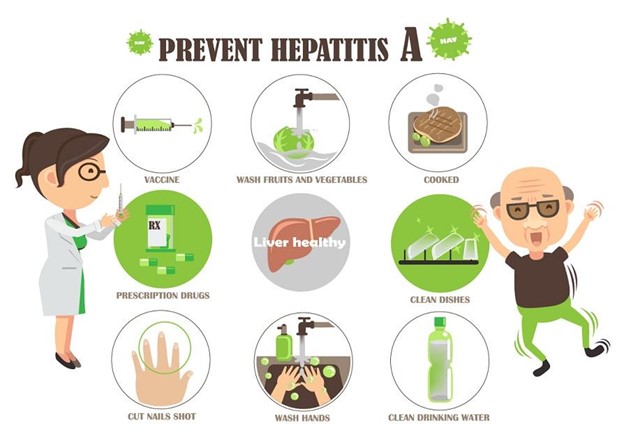
A nurse is contributing to a teaching plan about the prevention of hepatitis A. The nurse should include which of the following activities can spread hepatitis A?
A. Sharing personal hygiene items like razors
Reason: Sharing personal hygiene items like razors is not a common way of spreading hepatitis A, but it may transmit hepatitis B or C, which are blood-borne infections.
B. Unprotected sexual activity
Reason: Unprotected sexual activity is not a common way of spreading hepatitis A, but it may transmit hepatitis B or C, or other sexually transmitted infections.
C. Eating uncooked foods
Reason: Eating uncooked foods is a common way of spreading hepatitis A, as the virus can contaminate food or water that has been exposed to fecal matter from an infected person.
D. Getting a tattoo
Reason: Getting a tattoo is not a common way of spreading hepatitis A, but it may transmit hepatitis B or C, or other blood-borne infections, if the equipment is not properly sterilized.
Full Explanation
Choice A Reason: Sharing personal hygiene items like razors is not a common way of spreading hepatitis A, but it may transmit hepatitis B or C, which are blood-borne infections.
Choice B Reason: Unprotected sexual activity is not a common way of spreading hepatitis A, but it may transmit hepatitis B or C, or other sexually transmitted infections.
Choice C Reason: Eating uncooked foods is a common way of spreading hepatitis A, as the virus can contaminate food or water that has been exposed to fecal matter from an infected person.
Choice D Reason: Getting a tattoo is not a common way of spreading hepatitis A, but it may transmit hepatitis B or C, or other blood-borne infections, if the equipment is not properly sterilized.