
Nursing practice questions with comprehensive rationales
NurseDive Free Nursing Practice Question
A client is admitted to the emergency room with a respiratory rate of 7/min. Arterial blood gases (ABG) reveal the following values. Which of the following is an appropriate analysis of the ABGs? pH 7.22, PacO₂ 68 mm Hg, Base excess -2, PaO₂ 78 mm Hg, Saturation 80%, Bicarbonate 26 mEq/L.
A. Metabolic alkalosis.
Metabolic alkalosis occurs when there is an increase in pH and bicarbonate (HCO₃⁻) levels, which is not the case here. The pH value in this scenario is 7.22, indicating acidosis.
B. Respiratory acidosis.
Respiratory acidosis results from the retention of carbon dioxide (PaCO₂) in the blood, leading to a decrease in pH. In this case, the pH is low (7.22), and the PacO₂ is elevated (68 mm Hg), supporting the diagnosis of respiratory acidosis.
C. Metabolic acidosis.
Metabolic acidosis is characterized by a decrease in pH and bicarbonate levels, along with a possible negative base excess. However, in this scenario, the base excess is -2, which does not indicate metabolic acidosis.
D. Respiratory alkalosis.
Respiratory alkalosis occurs when there is a decrease in PaCO₂, leading to an increase in blood pH. The ABG values provided (pH 7.22, PacO₂ 68 mm Hg) are not consistent with respiratory alkalosis.
This question is an excerpt from Nurse Dive's nursing test bank - ATI custom Fluid and Electrolyte Exam Summer 2023 Proctored Exam. Take the full exam now
Full Explanation
Respiratory acidosis.
Choice A rationale:
Metabolic alkalosis occurs when there is an increase in pH and bicarbonate (HCO₃⁻) levels, which is not the case here. The pH value in this scenario is 7.22, indicating acidosis.
Choice B rationale:
Respiratory acidosis results from the retention of carbon dioxide (PaCO₂) in the blood, leading to a decrease in pH. In this case, the pH is low (7.22), and the PacO₂ is elevated (68 mm Hg), supporting the diagnosis of respiratory acidosis.
Choice C rationale:
Metabolic acidosis is characterized by a decrease in pH and bicarbonate levels, along with a possible negative base excess. However, in this scenario, the base excess is -2, which does not indicate metabolic acidosis.
Choice D rationale:
Respiratory alkalosis occurs when there is a decrease in PaCO₂, leading to an increase in blood pH. The ABG values provided (pH 7.22, PacO₂ 68 mm Hg) are not consistent with respiratory alkalosis.
Similar Questions
A nurse is reviewing the arterial blood gas results for a client in the ICU who has kidney failure and determines the client has respiratory acidosis. Which of the following findings should the nurse expect?
A. Hyperactive deep tendon reflexes.
Hyperactive deep tendon reflexes are not typical findings in respiratory acidosis. They are more commonly associated with conditions like hypocalcemia or hypercalcemia.
B. Warm, flushed skin.
Warm, flushed skin is not directly related to respiratory acidosis. It is not a typical manifestation of this acid-base imbalance.
C. Widened QRS Complexes.
Widened QRS complexes on an ECG are characteristic findings in respiratory acidosis. Acidosis can lead to changes in the electrical conduction of the heart, resulting in QRS complex widening.
D. Bounding peripheral pulses.
Bounding peripheral pulses are not directly associated with respiratory acidosis. They may be seen in conditions like hyperthyroidism or anemia but are not specific to respiratory acidosis. Remember, always interpret lab results and clinical findings in the context of the patient's overall condition, medical history, and other relevant factors to provide the best care possible.
Full Explanation
Widened QRS Complexes.
Choice A rationale:
Hyperactive deep tendon reflexes are not typical findings in respiratory acidosis. They are more commonly associated with conditions like hypocalcemia or hypercalcemia.
Choice B rationale:
Warm, flushed skin is not directly related to respiratory acidosis. It is not a typical manifestation of this acid-base imbalance.
Choice C rationale:
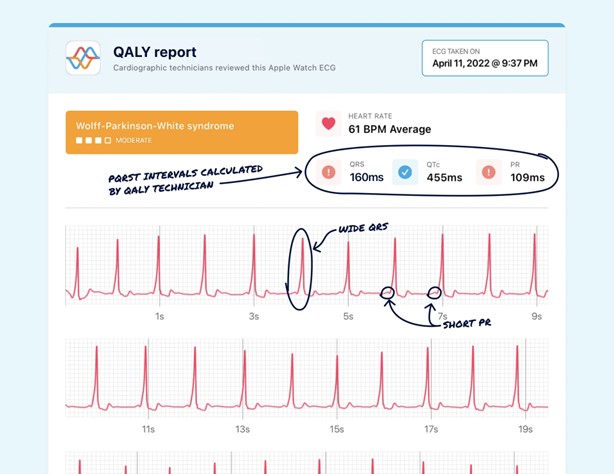
Widened QRS complexes on an ECG are characteristic findings in respiratory acidosis. Acidosis can lead to changes in the electrical conduction of the heart, resulting in QRS complex widening.
Choice D rationale:
Bounding peripheral pulses are not directly associated with respiratory acidosis. They may be seen in conditions like hyperthyroidism or anemia but are not specific to respiratory acidosis. Remember, always interpret lab results and clinical findings in the context of the patient's overall condition, medical history, and other relevant factors to provide the best care possible.
The nurse is planning care for a patient with severe burns. What health problem should the nurse realize that this patient could develop?
A. Intracellular fluid deficit.
Intracellular fluid deficit is a decrease in the fluid inside the cells, which may occur in conditions such as diabetic ketoacidosis. Severe burns are more likely to cause extracellular fluid shifts rather than intracellular fluid deficits.
B. Interstitial fluid deficit.
Interstitial fluid deficit involves a decrease in fluid in the interstitial spaces between cells. While burns can lead to fluid shifts, the primary concern is fluid loss from the vascular space (extracellular fluid).
C. Intracellular fluid overload.
Intracellular fluid overload is not a typical health problem associated with severe burns. Burn injuries are more likely to cause fluid loss and shifts out of the intracellular space.
D. Extracellular fluid deficit.
Severe burns can result in significant loss of plasma and extracellular fluid, leading to hypovolemia and extracellular fluid deficit. This fluid loss can lead to hypovolemic shock and other complications if not adequately managed.
Full Explanation
Extracellular fluid deficit.
Choice A rationale:
Intracellular fluid deficit is a decrease in the fluid inside the cells, which may occur in conditions such as diabetic ketoacidosis. Severe burns are more likely to cause extracellular fluid shifts rather than intracellular fluid deficits.
Choice B rationale:
Interstitial fluid deficit involves a decrease in fluid in the interstitial spaces between cells. While burns can lead to fluid shifts, the primary concern is fluid loss from the vascular space (extracellular fluid).
Choice C rationale:
Intracellular fluid overload is not a typical health problem associated with severe burns. Burn injuries are more likely to cause fluid loss and shifts out of the intracellular space.
Choice D rationale:
Severe burns can result in significant loss of plasma and extracellular fluid, leading to hypovolemia and extracellular fluid deficit. This fluid loss can lead to hypovolemic shock and other complications if not adequately managed.
A nurse is caring for a client who has metabolic alkalosis. For which of the following clinical manifestations should the nurse monitor? (Select all that apply.).
A. Lethargy.
Lethargy is a common symptom of metabolic alkalosis due to the body’s attempt to compensate for the altered pH balance, leading to decreased energy levels and fatigue.
B. Kussmaul's respirations.
Kussmaul’s respirations are typically associated with metabolic acidosis, not alkalosis. These deep, labored breaths are the body’s way of trying to expel excess carbon dioxide to correct acidosis.
C. Circumoral paresthesia.
Circumoral paresthesia, or tingling around the mouth, is a symptom of metabolic alkalosis. This occurs due to changes in calcium ion concentration affecting nerve function.
D. Bicarbonate excess.
Bicarbonate excess is a direct cause of metabolic alkalosis. Elevated bicarbonate levels in the blood lead to an increased pH, resulting in alkalosis.
E. Flushing
Flushing is not a typical symptom of metabolic alkalosis. It is more commonly associated with conditions that cause vasodilation or increased blood flow to the skin.
Full Explanation
The correct answer is choice A, C, and D.
Choice A rationale:
Lethargy is a common symptom of metabolic alkalosis due to the body’s attempt to compensate for the altered pH balance, leading to decreased energy levels and fatigue.
Choice B rationale:
Kussmaul’s respirations are typically associated with metabolic acidosis, not alkalosis. These deep, labored breaths are the body’s way of trying to expel excess carbon dioxide to correct acidosis.
Choice C rationale:
Circumoral paresthesia, or tingling around the mouth, is a symptom of metabolic alkalosis. This occurs due to changes in calcium ion concentration affecting nerve function.
Choice D rationale:
Bicarbonate excess is a direct cause of metabolic alkalosis. Elevated bicarbonate levels in the blood lead to an increased pH, resulting in alkalosis.
Choice E rationale:
Flushing is not a typical symptom of metabolic alkalosis. It is more commonly associated with conditions that cause vasodilation or increased blood flow to the skin.