
Nursing practice questions with comprehensive rationales
NurseDive Free Nursing Practice Question
A client receives a new prescription for levothyroxine. Which statement made by client indicates to the nurse that the education was effective?
A. Take medication on an empty stomach.
Levothyroxine is a thyroid hormone replacement medication used to treat hypothyroidism. To ensure proper absorption and effectiveness of the medication, it should be taken on an empty stomach, preferably in the morning, and at least 30 minutes before eating. Therefore, when the client indicates that they understand the need to take the medication on an empty stomach, it indicates that the education was effective.
B. Avoid the use of iron supplements.
Option b, "Avoid the use of iron supplements," is also important education for clients taking levothyroxine because iron supplements can interfere with the absorption of the medication. However, it is not the best indicator of effective education because the question asks for the statement that indicates education was effective, and option a is a more direct and specific response to the medication.
C. Administer levothyroxine at bedtime.
Option c, "Administer levothyroxine at bedtime," is not accurate information because the medication should be taken in the morning on an empty stomach.
D. Consume foods that are high in iodine.
Option d, "Consume foods that are high in iodine," is not recommended for clients taking levothyroxine because high amounts of iodine can interfere with thyroid function. Therefore, this statement indicates a need for further education.
This question is an excerpt from Nurse Dive's nursing test bank - HESI Pharmacology Proctored Exam. Take the full exam now
Full Explanation
Levothyroxine is a thyroid hormone replacement medication used to treat hypothyroidism. To ensure proper absorption and effectiveness of the medication, it should be taken on an empty stomach, preferably in the morning, and at least 30 minutes before eating. Therefore, when the client indicates that they understand the need to take the medication on an empty stomach, it indicates that the education was effective.
Option b, "Avoid the use of iron supplements," is also important education for clients taking levothyroxine because iron supplements can interfere with the absorption of the medication. However, it is not the best indicator of effective education because the question asks for the statement that indicates education was effective, and option a is a more direct and specific response to the medication.
Option c, "Administer levothyroxine at bedtime," is not accurate information because the medication should be taken in the morning on an empty stomach.
Option d, "Consume foods that are high in iodine," is not recommended for clients taking levothyroxine because high amounts of iodine can interfere with thyroid function. Therefore, this statement indicates a need for further education.

Similar Questions
A client taking atorvastatin becomes an increased serum creatine phosphokinase (CK) level.
The nurse should assess the client for the onset of which problem?
A. Nausea and vomiting.
B. Excessive bruising.
C. Peripheral edema.
D. Muscle tenderness.
Atorvastatin is a medication used to lower cholesterol levels in the blood. One of its side effects is muscle damage, which can result in an increase in serum creatine phosphokinase (CK) levels. Creatine phosphokinase is an enzyme found in muscles, and when muscles are damaged, CK is released into the bloodstream. Therefore, an increased serum CK level indicates muscle damage, and the nurse should assess the client for muscle tenderness or weakness, which are symptoms of this side effect. Nausea and vomiting, excessive bruising, and peripheral edema are not typically associated with atorvastatin use.
Full Explanation
Atorvastatin is a medication used to lower cholesterol levels in the blood. One of its side effects is muscle damage, which can result in an increase in serum creatine phosphokinase (CK) levels. Creatine phosphokinase is an enzyme found in muscles, and when muscles are damaged, CK is released into the bloodstream. Therefore, an increased serum CK level indicates muscle damage, and the nurse should assess the client for muscle tenderness or weakness, which are symptoms of this side effect. Nausea and vomiting, excessive bruising, and peripheral edema are not typically associated with atorvastatin use.

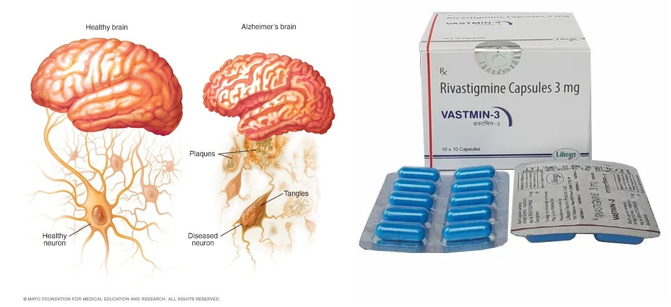
Rivastigmine, a cholinesterase inhibitor, is prescribed for a female client with early-stage Alzheimer’s disease. The client’s daughter tells the nurse that she plans to start administering the drug when her mothers’ symptoms are no longer manageable, in hopes that her mother will not have to go to a nursing home. How should the nurse respond?
A. Explain that the drug should be used early in the course of the disease process.
The nurse should explain to the client's daughter that Rivastigmine is most effective when used early during Alzheimer's disease. Delaying the use of the medication until the symptoms are no longer manageable may result in the drug being less effective. The nurse should emphasize the importance of following the healthcare provider's instructions for administering the medication to maximize its therapeutic effect. It is important to educate the client's daughter about the progressive nature of Alzheimer's disease and the need for ongoing monitoring and care.
B. Affirm the decision to use the drug when the symptoms start to worsen.
C. Assess the client’s current mental health status before deciding to support the decision.
D. Confirm that the daughter is aware of the progressive nature of the disease.
Full Explanation
The nurse should explain to the client's daughter that Rivastigmine is most effective when used early during Alzheimer's disease. Delaying the use of the medication until the symptoms are no longer manageable may result in the drug being less effective.
The nurse should emphasize the importance of following the healthcare provider's instructions for administering the medication to maximize its therapeutic effect. It is important to educate the client's daughter about the progressive nature of Alzheimer's disease and the need for ongoing monitoring and care.
The home health nurse observes a client self-administering an epinephrine injection using an auto-injector pen.
Which client action requires intervention by the nurse?
A. Administers onto the fleshy outer thigh.
Appropriate injection site:The fleshy outer thigh is a common and recommended injection site for epinephrine auto-injectors.It provides a large muscle mass with adequate blood flow for rapid absorption of the medication.
B. Inserts the injection pen through clothing.
Ineffective delivery of medication:Inserting the injection pen through clothing can impede the needle from reaching the muscle and delivering the medication effectively.Clothing can act as a barrier,absorbing or deflecting the medication,potentially leading to a suboptimal dose or delayed absorption. Risk of infection:Clothing may harbor bacteria or other contaminants that could be introduced into the injection site,increasing the risk of infection.This is particularly concerning in a home setting where clothing may not be as sterile as in a healthcare facility. Difficulty assessing injection site:If the injection is given through clothing,it can be challenging to accurately assess the injection site for any signs of redness,swelling,or other potential complications.This could delay identification and treatment of any adverse reactions.
C. Holding the pen in place for several seconds after injection
Ensures full dose delivery:Holding the pen in place for several seconds after injection is essential to ensure that the full dose of medication is delivered.This allows time for the medication to be fully expelled from the pen and absorbed into the muscle tissue.
D. Cleans the injector pen for re-use.
Not a reusable device:Epinephrine auto-injector pens are designed for single use only and should not be cleaned for re-use.Cleaning a used pen can compromise its sterility and functionality,potentially leading to infection or medication errors.
E. None
None
F. None
None
Full Explanation
A. Administers onto the fleshy outer thigh: This is the recommended site for epinephrine auto-injection because it allows for quick absorption into the bloodstream. The outer thigh is a large muscle area, which helps in the rapid distribution of the medication.
B. Inserts the injection pen through clothing: It is generally acceptable to inject epinephrine through clothing in an emergency situation. This practice ensures that there is no delay in administering the life-saving medication, which is crucial during an anaphylactic reaction.
C. Cleanses the injection pen for re-use: Epinephrine auto-injectors are designed for single use only. Reusing the pen can lead to contamination and reduced effectiveness of the medication. It is important to dispose of the used injector properly and obtain a new one for future use.
D. Holds the pen in place after injection: Holding the pen in place for a few seconds after injection ensures that the full dose of medication is delivered. This practice helps in maximizing the effectiveness of the treatment during an anaphylactic emergency.