
Nursing practice questions with comprehensive rationales
NurseDive Free Nursing Practice Question
A client who is receiving zidovudine reports the appearance of pinpoint, red, round spots on the skin. Which result should the nurse report to the healthcare provider?
A. Complete blood count.
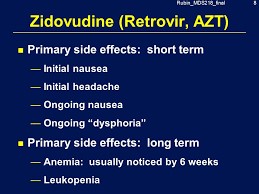
Correct- Zidovudine is an antiretroviral medication used in the treatment of HIV infection.One of the potential side effects of zidovudine is hematological toxicity, including anemia (low red blood cell count) and neutropenia (low white blood cell count). The appearance of pinpoint, red, round spots on the skin could be indicative of petechiae, which are small hemorrhages caused by the leakage of blood into the skin. Petechiae can occur due to low platelet counts, a component of the complete blood count (CBC). Monitoring the complete blood count is important for clients receiving zidovudine to identify any potential adverse effects on blood cell counts. Anemia and neutropenia can increase the risk of infection, bleeding, and other complications. Therefore, any changes in blood cell counts, including the presence of petechiae, should be reported to the healthcare provider for further evaluation and management.
B. Allergy test.
Incorrect- This is used to assess allergic reactions and is not specifically related to the appearance of petechiae.
C. Skin biopsy.
Incorrect- A skin biopsy is typically performed to diagnose skin conditions or diseases and is not the primary assessment to evaluate the cause of petechiae.
D. Electromyography.
Incorrect- Electromyography is a diagnostic test used to assess muscle and nerve function and is not relevant to the appearance of petechiae associated with zidovudine use.
This question is an excerpt from Nurse Dive's nursing test bank - RN Hesi Exit Proctored Exam. Take the full exam now
Full Explanation
A) Correct- Zidovudine is an antiretroviral medication used in the treatment of HIV infection.
One of the potential side effects of zidovudine is hematological toxicity, including anemia (low red blood cell count) and neutropenia (low white blood cell count). The appearance of pinpoint, red, round spots on the skin could be indicative of petechiae, which are small hemorrhages caused by the leakage of blood into the skin. Petechiae can occur due to low platelet counts, a
component of the complete blood count (CBC). Monitoring the complete blood count is important for clients receiving zidovudine to identify any potential adverse effects on blood cell counts. Anemia and neutropenia can increase the risk of infection, bleeding, and other complications. Therefore, any changes in blood cell counts, including the presence of petechiae, should be reported to the healthcare provider for further evaluation and management.
B) Incorrect- This is used to assess allergic reactions and is not specifically related to the appearance of petechiae.
C) Incorrect- A skin biopsy is typically performed to diagnose skin conditions or diseases and is not the primary assessment to evaluate the cause of petechiae.
D) Incorrect- Electromyography is a diagnostic test used to assess muscle and nerve function and is not relevant to the appearance of petechiae associated with zidovudine use.
Similar Questions
A client with diabetes insipidus (DI) has an average urinary output of 500 ml. of dilute urine every hour for the last 4 hours. Which laboratory test is most important for the nurse to monitor?
A. White blood cell count.
Incorrect- This test is used to assess for infection or inflammation and is not specifically related to monitoring diabetes insipidus.
B. Capillary glucose.
Incorrect- This test is used to monitor blood sugar levels in individuals with diabetes mellitus, not diabetes insipidus.
C. Urine specific gravity.
Incorrect- While urine specific gravity can provide information about urine concentration, it is not the most important laboratory test to monitor in a client with diabetes insipidus. Serum sodium level is a more critical indicator of electrolyte balance and potential complications in DI.
D. Serum sodium.
Correct- Diabetes insipidus (DI) is a condition characterized by excessive thirst and urination due to the body's inability to regulate fluid balance. In DI, the body either lacks antidiuretic hormone (ADH), which regulates water reabsorption in the kidneys, or the kidneys are resistant to its effects. As a result, clients with DI can produce large volumes of dilute urine. The most significant concern in DI is the potential for electrolyte imbalances, particularly low serum sodium levels (hyponatremia). Excessive loss of water in the urine can lead to dehydration and concentration of the blood's sodium levels. This can result in neurological symptoms, such as confusion, seizures, and even coma. Monitoring the serum sodium level is crucial to ensure that it remains within a safe range.
Full Explanation
Choice A rationale: White blood cell count monitors for infection or inflammation. While important for general health, it does not address the massive fluid loss and electrolyte imbalances specifically caused by diabetes insipidus.
Choice B rationale: Capillary glucose monitors for diabetes mellitus. Diabetes insipidus involves antidiuretic hormone deficiency, not insulin issues; therefore, glucose levels are not the priority in managing the massive dilute polyuria seen here.
Choice C rationale: Urine specific gravity will be consistently low in diabetes insipidus. While it confirms the diagnosis of dilute urine, it is less critical than monitoring the life-threatening systemic effects of dehydration.
Choice D rationale: Serum sodium is the most important lab to monitor. Massive loss of dilute urine leads to severe hemoconcentration and hypernatremia, which can cause cerebral edema, seizures, and permanent neurological damage.
A client with foul-smelling drainage from an incision on the upper left arm is admitted with a suspected methicillin-resistant Staphylococcus aureus (MRSA). Which nursing intervention(s) should the nurse include in the plan of care? (Select all that apply.)
A. Use standard precautions and wear a mask.
Incorrect- Standard precautions are used for all clients to prevent the spread of infections.However, in the case of MRSA, contact precautions are needed due to the risk of direct transmission through physical contact.
B. Monitor the client's white blood cell count.
Correct- Monitoring the white blood cell count is important to assess for signs of infection, as an elevated count might indicate an ongoing inflammatory response.
C. Institute contact precautions for staff and visitors.
Correct- Foul-smelling drainage from an incision with suspected MRSA indicates a potential infection. Contact precautions are appropriate for MRSA, which include wearing gloves and gowns when entering the client's room to prevent the spread of the bacteria.
D. Send wound drainage for culture and sensitivity.
Correct- Sending wound drainage for culture and sensitivity helps identify the specific microorganisms causing the infection and guides appropriate antibiotic treatment.
E. Explain the purpose of a low-bacteria diet.
Full Explanation
A) Incorrect- Standard precautions are used for all clients to prevent the spread of infections.
However, in the case of MRSA, contact precautions are needed due to the risk of direct transmission through physical contact.
B) Correct- Monitoring the white blood cell count is important to assess for signs of infection, as an elevated count might indicate an ongoing inflammatory response.
C) Correct- Foul-smelling drainage from an incision with suspected MRSA indicates a potential infection. Contact precautions are appropriate for MRSA, which include wearing gloves and gowns when entering the client's room to prevent the spread of the bacteria.
D) Correct- Sending wound drainage for culture and sensitivity helps identify the specific microorganisms causing the infection and guides appropriate antibiotic treatment.
E) Incorrect- A low-bacteria diet is not relevant to the situation. MRSA is caused by a bacterium, not by dietary factors. The focus should be on infection control measures and appropriate medical interventions.
An older client with Alzheimer's disease is confused and asking the nurse to call their mother who is deceased. Which nonpharmacological intervention should the nurse implement?
A. Clarify reality with the client about delusional thoughts.
Incorrect- Clarify reality with the client about delusional thoughts: Attempting to correct the client's delusional thoughts might cause frustration and agitation. Clients with Alzheimer's disease may have difficulty comprehending and retaining reality-based information.
B. Reduce the client's interaction with others during day.
Incorrect- Reduce the client's interaction with others during the day: Social interaction is important for clients with Alzheimer's disease to maintain engagement and prevent feelings of isolation. Reducing interaction could worsen their emotional well-being.
C. Use distraction and therapeutic communication skills.
Correct- Clients with Alzheimer's disease often experience cognitive impairments and may have delusional thoughts or confusion, such as believing deceased loved ones are still alive. Nonpharmacological interventions are crucial to provide comfort and manage challenging behaviors. Distraction techniques involve redirecting the client's attention away from the delusion and onto a different, engaging activity. This can help decrease distress and anxiety related to their delusional thoughts. Therapeutic communication skills, such as validating the client's feelings and emotions, can also be beneficial. Simply telling the client that their mother is deceased may cause distress and confusion. Instead, providing comfort, empathizing with their emotions, and redirecting their focus can be more effective in managing the situation.
D. Awaken the client for reality checks every 4 hours at night.
Incorrect- Awaken the client for reality checks every 4 hours at night: Disrupting the client's sleep schedule could lead to increased confusion and restlessness. It's important to provide a calm and consistent sleep routine for individuals with Alzheimer's disease.
Full Explanation
A) Incorrect- Clarify reality with the client about delusional thoughts: Attempting to correct the client's delusional thoughts might cause frustration and agitation. Clients with Alzheimer's disease may have difficulty comprehending and retaining reality-based information.
B) Incorrect- Reduce the client's interaction with others during the day: Social interaction is important for clients with Alzheimer's disease to maintain engagement and prevent feelings of isolation. Reducing interaction could worsen their emotional well-being.
C) Correct- Clients with Alzheimer's disease often experience cognitive impairments and may have delusional thoughts or confusion, such as believing deceased loved ones are still alive. Nonpharmacological interventions are crucial to provide comfort and manage challenging behaviors. Distraction techniques involve redirecting the client's attention away from the delusion and onto a different, engaging activity. This can help decrease distress and anxiety related to their delusional thoughts. Therapeutic communication skills, such as validating the client's feelings and emotions, can also be beneficial. Simply telling the client that their mother is deceased may cause distress and confusion. Instead, providing comfort, empathizing with their emotions, and redirecting their focus can be more effective in managing the situation.
D) Incorrect- Awaken the client for reality checks every 4 hours at night: Disrupting the client's sleep schedule could lead to increased confusion and restlessness. It's important to provide a calm and consistent sleep routine for individuals with Alzheimer's disease.