Nursing practice questions with comprehensive rationales
NurseDive Free Nursing Practice Question
A community health nurse is assisting with the development of a pamphlet regarding choking hazards for toddlers. Which of the following foods should the nurse include?
A. Corn
B. Oranges
C. Grapes
Grapes are round and can easily get stuck in a child's throat, leading to choking. The other foods listed (corn, oranges, and potatoes) are less likely to cause choking because they can be cut into smaller pieces or are less likely to get stuck in a child's airway.
D. Potatoes
This question is an excerpt from Nurse Dive's nursing test bank - PN Comprehensive Predictor PN 2020 Proctored Exam. Take the full exam now
Full Explanation
Grapes are round and can easily get stuck in a child's throat, leading to choking. The other foods listed (corn, oranges, and potatoes) are less likely to cause choking because they can be cut into smaller pieces or are less likely to get stuck in a child's airway.
Similar Questions
A nurse is reinforcing teaching with a client who is at 12 weeks of gestation and has hyperemesis gravidarum. Which of the following client statements indicates an understanding of the nurse's instructions?
A. "I will try to eat balanced meals instead of only foods that appeal to my taste."
B. "I will eat or drink something every 2 to 3 hours throughout the day."
Hyperemesis gravidarum is a severe form of morning sickness characterized by persistent nausea, vomiting, and dehydration during pregnancy. It is important for the client to maintain proper nutrition and hydration. Eating or drinking something every 2 to 3 hours throughout the day helps to keep the stomach relatively full, reducing the likelihood of experiencing severe nausea and vomiting due to an empty stomach. It also helps provide a steady supply of nutrients and fluids to support the client's health and the growing fetus.
C. "I will eat a low-protein snack 30 minutes before going to bed each night."
D. "I will wait 1 hour after getting up in the morning to have breakfast." The correct answer is B
Full Explanation
Hyperemesis gravidarum is a severe form of morning sickness characterized by persistent nausea, vomiting, and dehydration during pregnancy. It is important for the client to maintain proper nutrition and hydration.
Eating or drinking something every 2 to 3 hours throughout the day helps to keep the stomach relatively full, reducing the likelihood of experiencing severe nausea and vomiting due to an empty stomach. It also helps provide a steady supply of nutrients and fluids to support the client's health and the growing fetus.
A nurse overhears two assistive personnel (AP) in the nurses' station discussing a client who was recently admitted. Which of the following actions should the nurse take?
A. Tell the APS to stop the conversation.
Maintaining confidentiality and protecting the privacy of clients is a fundamental responsibility of healthcare professionals. When the nurse becomes aware of a conversation between APs that breaches this confidentiality, it is essential to intervene promptly. The nurse should approach the APs and respectfully ask them to stop the conversation and remind them about the importance of maintaining client confidentiality.
B. Document the event in the client's progress notes.
C. Inform the client of the AP's actions.
D. Submit an incident report to the risk manager.
Full Explanation
Maintaining confidentiality and protecting the privacy of clients is a fundamental responsibility of healthcare professionals.
When the nurse becomes aware of a conversation between APs that breaches this confidentiality, it is essential to intervene promptly.
The nurse should approach the APs and respectfully ask them to stop the conversation and remind them about the importance of maintaining client confidentiality.
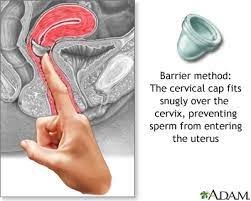
A nurse is reinforcing teaching with a client who has a new prescription for a cervical cap as a form of contraception. Which of the following statements by the client indicates an understanding of the teaching?
A. "I should avoid using spermicide with the cervical cap."
Using the cervical cap during the menstrual cycle is not a recommended practice for contraception. The cervical cap is primarily used during sexual activity as a barrier method of contraception and is not specifically designed for use during menstruation.
B. "I should use the cap during my menstrual cycle to prevent pregnancy."
Using the cervical cap during the menstrual cycle is not a recommended practice for contraception. The cervical cap is primarily used during sexual activity as a barrier method of contraception and is not specifically designed for use during menstruation.
C. "I need to have my provider check the size of the cap every 6 months."
While it is important for the provider to initially fit and size the cervical cap for the client, routine checks every 6 months are not necessary. However, it is still important for the client to regularly inspect the cap for any signs of damage or deterioration and replace it as needed.
D. "I need to keep the cap in place for at least 6 hours after intercourse."
The cervical cap should be left in place for a minimum of 6 hours after intercourse but should not exceed a total of 48 hours of continuous use. Leaving it in place for longer periods may increase the risk of toxic shock syndrome (TSS) and other potential complications.
Full Explanation
The cervical cap should be left in place for a minimum of 6 hours after intercourse but should not exceed a total of 48 hours of continuous use. Leaving it in place for longer periods may increase the risk of toxic shock syndrome (TSS) and other potential complications. Using a cervical cap in combination with a spermicide is the recommended practice for maximizing its effectiveness. Spermicide helps immobilize or kill sperm, providing an additional barrier against pregnancy when used with the cervical cap.
Using the cervical cap during the menstrual cycle is not a recommended practice for contraception. The cervical cap is primarily used during sexual activity as a barrier method of contraception and is not specifically designed for use during menstruation.
While it is important for the provider to initially fit and size the cervical cap for the client, routine checks every 6 months are not necessary. However, it is still important for the client to regularly inspect the cap for any signs of damage or deterioration and replace it as needed.