
Nursing practice questions with comprehensive rationales
NurseDive Free Nursing Practice Question
A lactovegetarian will eat:
A. plant foods only
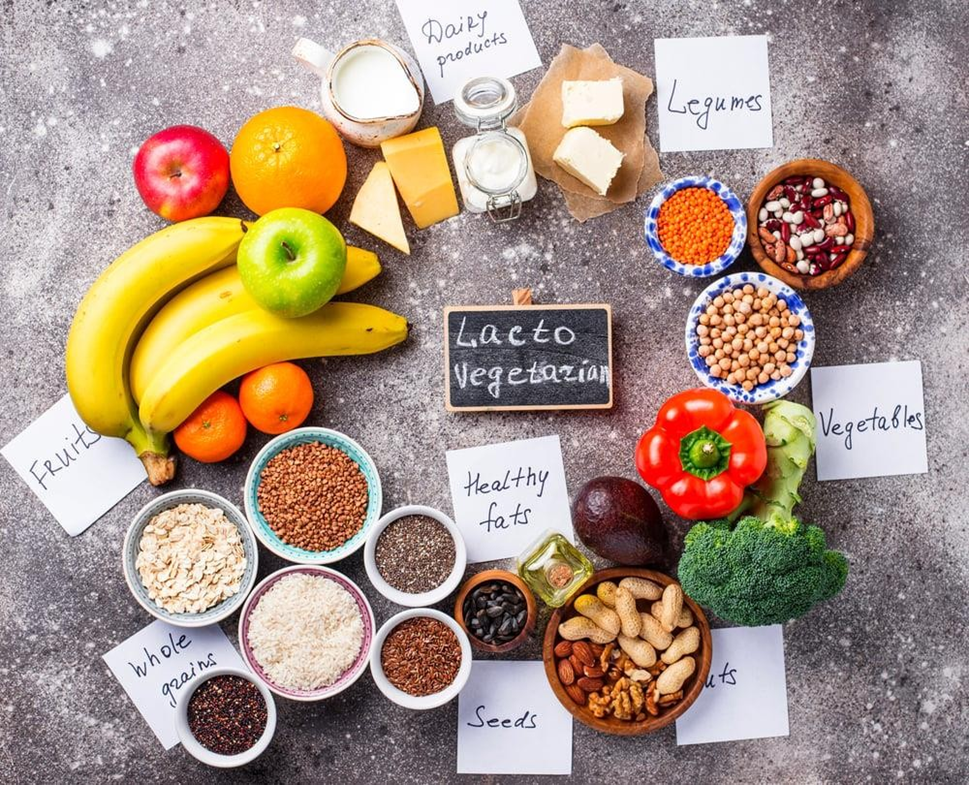
Lactovegetarians include dairy products in their diet along with plant-based foods.
B. plant and dairy foods.
Lactovegetarians follow a vegetarian diet that includes plant-based foods as well as dairy products like milk, cheese, yogurt, etc.
C. any food except for eggs.
This description does not fit the dietary pattern of a lactovegetarian, as it suggests avoiding eggs only.
D. poultry and plant foods.
Including poultry along with plant foods doesn't align with the lactovegetarian diet, which excludes meat.
This question is an excerpt from Nurse Dive's nursing test bank - LPN ATI Fundamental Proctored Exam - Paredes. Take the full exam now
Full Explanation
A. Lactovegetarians include dairy products in their diet along with plant-based foods.
B. Lactovegetarians follow a vegetarian diet that includes plant-based foods as well as dairy products like milk, cheese, yogurt, etc.
C. This description does not fit the dietary pattern of a lactovegetarian, as it suggests avoiding eggs only.
D. Including poultry along with plant foods doesn't align with the lactovegetarian diet, which excludes meat.
Similar Questions
A nurse collecting data from a client who has dehydration. Which of the following findings should the nurse expect?
A. Dark-colored urine
Dark-colored urine is a common sign of dehydration, indicating concentrated urine due to reduced water intake or excessive fluid loss.
B. Moist skin
Dehydration typically causes dry or parched skin rather than moist skin.
C. Distended neck veins
Distended neck veins are not typical findings associated with dehydration; instead, they might indicate other conditions like heart failure.
D. High blood pressure
Dehydration tends to cause a drop in blood pressure rather than high blood pressure due to reduced fluid volume.
Full Explanation
A. Dark-colored urine is a common sign of dehydration, indicating concentrated urine due to reduced water intake or excessive fluid loss.
B. Dehydration typically causes dry or parched skin rather than moist skin.
C. Distended neck veins are not typical findings associated with dehydration; instead, they might indicate other conditions like heart failure.
D. Dehydration tends to cause a drop in blood pressure rather than high blood pressure due to reduced fluid volume.
A nurse is assisting with teaching a client about nutritional supplements. Which of the following supplements is used to promote heart health?
A. Folic acid
Folic acid is mainly known for its role in preventing neural tube defects in pregnant women and supporting red blood cell production.
B. Omega-3 fatty acids
Omega-3 fatty acids, found in fish oil supplements, have shown benefits in promoting heart health by reducing the risk of cardiovascular diseases, improving lipid profiles, and supporting heart function.
C. Lutein
Lutein is primarily associated with eye health, particularly in reducing the risk of age-related macular degeneration.
D. Vitamin D
Vitamin D plays a role in bone health and immune function but isn't specifically targeted for heart health.
Full Explanation
A. Folic acid is mainly known for its role in preventing neural tube defects in pregnant women and supporting red blood cell production.
B. Omega-3 fatty acids, found in fish oil supplements, have shown benefits in promoting heart health by reducing the risk of cardiovascular diseases, improving lipid profiles, and supporting heart function.
C. Lutein is primarily associated with eye health, particularly in reducing the risk of age-related macular degeneration.
D. Vitamin D plays a role in bone health and immune function but isn't specifically targeted for heart health.
A patient has been transferred to your unit. The transferring nurse has given you a report on the patient's condition and helped you settle them in bed. Your next priority would be to:
A. Check the MAR or eMAR to see what medications they are receiving.
Checking the Medication Administration Record (MAR) or electronic MAR (eMAR) is a priority to ensure continuity of care and administer medications as prescribed in a timely manner.
B. Read all the orders the primary care provider has written.
Reviewing the orders is important but may not be the immediate priority compared to ensuring the patient's medication needs are addressed.
C. Document the transfer in the medical record.
Documenting the transfer in the medical record is essential but may be done after the initial assessment and administration of necessary medications.
D. Perform a head-to-toe assessment.
Performing a head-to-toe assessment is important but typically comes after addressing immediate needs such as medication administration, especially if the patient has specific medication schedules.
Full Explanation
A. Checking the Medication Administration Record (MAR) or electronic MAR (eMAR) is a priority to ensure continuity of care and administer medications as prescribed in a timely manner.
B. Reviewing the orders is important but may not be the immediate priority compared to ensuring the patient's medication needs are addressed.
C. Documenting the transfer in the medical record is essential but may be done after the initial assessment and administration of necessary medications.
D. Performing a head-to-toe assessment is important but typically comes after addressing immediate needs such as medication administration, especially if the patient has specific medication schedules.