Nursing practice questions with comprehensive rationales
NurseDive Free Nursing Practice Question
A male client reports to the on-call nurse that he took tadalafil 10 mg by mouth two hours ago and his skin now feels flushed. He reports a history of stable angina, but denies experiencing any current or recent chest pain. Which action should the nurse take?
A. Instruct the client to increase his intake of oral fluids until the skin flushing is relieved.
A: Instructing the client to increase his intake of oral fluids until the skin flushing is relieved is not an appropriate action for the nurse, as this does not address the cause of the flushing, which is vasodilation due to tadalafil. This is a distractor choice.
B. Advise the client to place one nitroglycerin tablet under his tongue as a precaution.
B: Advising the client to place one nitroglycerin tablet under his tongue as a precaution is a dangerous action for the nurse, as this can cause severe hypotension and cardiovascular collapse due to the interaction between tadalafil and nitroglycerin. This is a contraindicated choice.
C. Tell the client to have someone bring him to an emergency department immediately.
C: Telling the client to have someone bring him to an emergency department immediately is an unnecessary action for the nurse, as there is no evidence of any serious adverse reaction or complication from tadalafil. This is an overreaction choice.
D. Reassure the client that skin flushing is a common side effect of the medication.
D: Reassuring the client that skin flushing is a common side effect of the medication is an appropriate action for the nurse, as this can calm the client and educate him about the expected effects of tadalafil. Therefore, this is the correct choice.
This question is an excerpt from Nurse Dive's nursing test bank - HESI Exit II Proctored Exam. Take the full exam now
Full Explanation
Choice A: Instructing the client to increase his intake of oral fluids until the skin flushing is relieved is not an appropriate action for the nurse, as this does not address the cause of the flushing, which is vasodilation due to tadalafil. This is a distractor choice.
Choice B: Advising the client to place one nitroglycerin tablet under his tongue as a precaution is a dangerous action for the nurse, as this can cause severe hypotension and cardiovascular collapse due to the interaction between tadalafil and nitroglycerin. This is a contraindicated choice.
Choice C: Telling the client to have someone bring him to an emergency department immediately is an unnecessary action for the nurse, as there is no evidence of any serious adverse reaction or complication from tadalafil. This is an overreaction choice.
Choice D: Reassuring the client that skin flushing is a common side effect of the medication is an appropriate action for the nurse, as this can calm the client and educate him about the expected effects of tadalafil. Therefore, this is the correct choice.
Similar Questions
In caring for a client who is receiving meropenem IV for nosocomial pneumonia, which assessment finding is most important for the nurse to report to the health care provider?
A. Yellow-tinged sputum
A: Yellow-tinged sputum is not a critical finding for the nurse to report, as this is a common sign of pneumonia and does not indicate an adverse reaction to meropenem. This is a distractor choice.
B. Nausea and headache
B: Nausea and headache are not urgent findings for the nurse to report, as these are mild side effects of meropenem and can be managed with supportive measures. This is another distractor choice.
C. Watery diarrhea
C: Watery diarrhea is an important finding for the nurse to report, as this can indicate a serious complication of meropenem, such as Clostridioides difficile infection, which can cause severe dehydration, electrolyte imbalance, and sepsis. Therefore, this is the correct choice.
D. Increased fatigue
D: Increased fatigue is not a significant finding for the nurse to report, as this can be related to the client's underlying condition and does not suggest a problem with meropenem. This is another distractor choice.
Full Explanation
Choice A: Yellow-tinged sputum is not a critical finding for the nurse to report, as this is a common sign of pneumonia and does not indicate an adverse reaction to meropenem. This is a distractor choice.
Choice B: Nausea and headache are not urgent findings for the nurse to report, as these are mild side effects of meropenem and can be managed with supportive measures. This is another distractor choice.
Choice C: Watery diarrhea is an important finding for the nurse to report, as this can indicate a serious complication of meropenem, such as Clostridioides difficile infection, which can cause severe dehydration, electrolyte imbalance, and sepsis. Therefore, this is the correct choice.
Choice D: Increased fatigue is not a significant finding for the nurse to report, as this can be related to the client's underlying condition and does not suggest a problem with meropenem. This is another distractor choice.

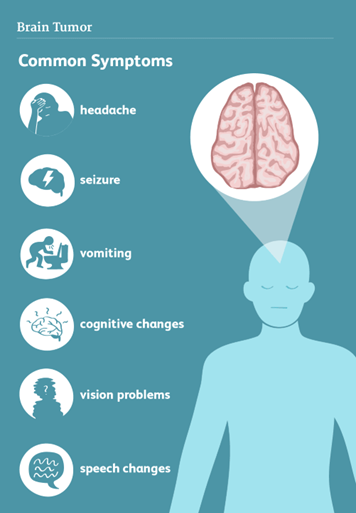
A male client with a brain tumor is scheduled for a biopsy in the morning. During the admission procedure, the client has a tonic-clonic seizure that lasts 50 seconds. Following the seizure, the client is lethargic and confused and his wife tells the nurse that her husband has never had a seizure before and has always been alert and communicative. Which action should the nurse take?
A. Notify the emergency response team of the client's seizure.
A: Notifying the emergency response team of the client's seizure is not a necessary action for the nurse, as the seizure has already stopped and there is no immediate threat to the client's life. This is a distractor choice.
B. Keep orienting the client to time and place until he is less confused.
B: Keeping orienting the client to time and place until he is less confused is an appropriate action for the nurse, as this can help restore the client's cognitive function and reduce his anxiety after a seizure. Therefore, this is the correct choice.
C. Explain the postictal state that usually follows seizures.
C: Explaining the postictal state that usually follows seizures is not a priority action for the nurse, as this can be done later when the client is more alert and receptive. This is another distractor choice.
D. Ask the wife to wait outside the room until the nurse can talk with her.
D: Asking the wife to wait outside the room until the nurse can talk with her is not a considerate action for the nurse, as this can increase her stress and worry about her husband's condition. This is a contraindicated choice.
Full Explanation
Choice A: Notifying the emergency response team of the client's seizure is not a necessary action for the nurse, as the seizure has already stopped and there is no immediate threat to the client's life. This is a distractor choice.
Choice B: Keeping orienting the client to time and place until he is less confused is an appropriate action for the nurse, as this can help restore the client's cognitive function and reduce his anxiety after a seizure. Therefore, this is the correct choice.
Choice C: Explaining the postictal state that usually follows seizures is not a priority action for the nurse, as this can be done later when the client is more alert and receptive. This is another distractor choice.
Choice D: Asking the wife to wait outside the room until the nurse can talk with her is not a considerate action for the nurse, as this can increase her stress and worry about her husband's condition. This is a contraindicated choice.
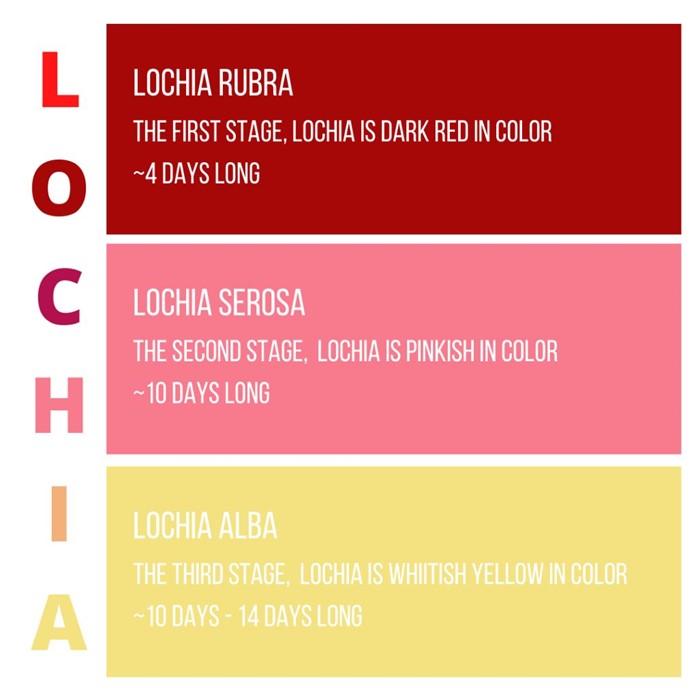
When assessing a multigravida on the first postpartum day, the nurse finds a moderate amount of lochia rubra, with the uterus firm, and three fingerbreadths above the umbilicus. What action should the nurse implement first?
A. Check for a distended bladder.
A is correct because a distended bladder can displace the uterus and prevent it from contracting properly, leading to increased bleeding and risk of infection. The nurse should check for a distended bladder and assist the client to empty it if needed.
B. Review the hemoglobin to determine hemorrhage.
B is incorrect because reviewing the hemoglobin is not a priority action. The hemoglobin may not reflect the current blood loss and may be done later.
C. Massage the uterus to decrease atony.
C is incorrect because massaging the uterus is not necessary if it is firm. Massaging a firm uterus can cause overstimulation and pain.
D. Increase intravenous infusion.
D is incorrect because increasing intravenous infusion is not a priority action. The client may not need additional fluids if the bleeding is moderate and the vital signs are stable.
Full Explanation
Choice A is correct because a distended bladder can displace the uterus and prevent it from contracting properly, leading to increased bleeding and risk of infection. The nurse should check for a distended bladder and assist the client to empty it if needed.
Choice B is incorrect because reviewing the hemoglobin is not a priority action. The hemoglobin may not reflect the current blood loss and may be done later.
Choice C is incorrect because massaging the uterus is not necessary if it is firm. Massaging a firm uterus can cause overstimulation and pain.
Choice D is incorrect because increasing intravenous infusion is not a priority action. The client may not need additional fluids if the bleeding is moderate and the vital signs are stable.