
Nursing practice questions with comprehensive rationales
NurseDive Free Nursing Practice Question
A microbe that doesn't cause disease or is not a risk to the environment can be handled at which biosafety level?
A. Biosafety Level 1
Biosafety Level 1: BSL-1 is designated for microbes that pose minimal risk to humans and the environment. These organisms are non-pathogenic and can be safely handled with standard laboratory practices.
B. Biosafety Level 2
Biosafety Level 2: BSL-2 is used for organisms that pose moderate risk and may cause human disease, requiring additional precautions such as limited lab access and protective equipment.
C. Biosafety Level 3
Biosafety Level 3: BSL-3 applies to microbes that can cause serious or potentially lethal diseases via inhalation, requiring controlled access and specialized safety equipment.
D. Biosafety Level 4
Biosafety Level 4: BSL-4 is reserved for dangerous, exotic pathogens such as Ebola virus, which carry high risk of life-threatening disease and require maximum containment facilities.
This question is an excerpt from Nurse Dive's nursing test bank - Fa25 biol Microbiology (Hennepin Technical College) proctored exam. Take the full exam now
Full Explanation
A. Biosafety Level 1: BSL-1 is designated for microbes that pose minimal risk to humans and the environment. These organisms are non-pathogenic and can be safely handled with standard laboratory practices.
B. Biosafety Level 2: BSL-2 is used for organisms that pose moderate risk and may cause human disease, requiring additional precautions such as limited lab access and protective equipment.
C. Biosafety Level 3: BSL-3 applies to microbes that can cause serious or potentially lethal diseases via inhalation, requiring controlled access and specialized safety equipment.
D. Biosafety Level 4: BSL-4 is reserved for dangerous, exotic pathogens such as Ebola virus, which carry high risk of life-threatening disease and require maximum containment facilities.
Similar Questions
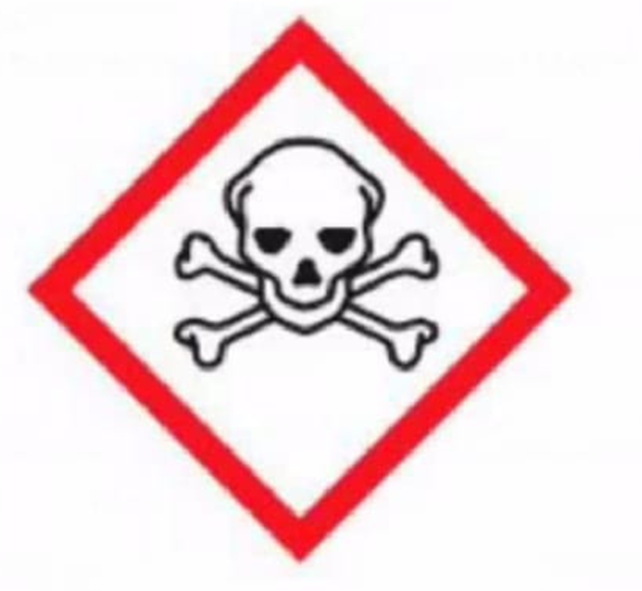
What is the meaning of this sign?
A. Irritant to skin, eyes, or respiratory tract
Irritant to skin, eyes, or respiratory tract: The Globally Harmonized System (GHS) pictogram for an irritant is a diamond containing an exclamation mark (!). This symbol is used for less severe health hazards like skin or eye irritation.
B. Health hazard
Health hazard: While acute toxicity is a health hazard, the specific pictogram for a range of serious, but non-acute, long-term health issues (like carcinogenicity, mutagenicity, or respiratory sensitization) is a diamond containing a human silhouette with a starburst over the chest (often called the "man exploding" symbol).
C. Acute toxicity; fatal
cute toxicity; fatal: The skull and crossbones symbol is an internationally recognized icon representing poison or danger of death. In the GHS, this specific pictogram is used for substances that are toxic or fatal even after only a short exposure to a small amount.
D. Explosive
Explosive: The GHS pictogram for an explosive substance is a diamond containing a bomb undergoing an explosion
Full Explanation
A. Irritant to skin, eyes, or respiratory tract: The Globally Harmonized System (GHS) pictogram for an irritant is a diamond containing an exclamation mark (!). This symbol is used for less severe health hazards like skin or eye irritation.
B. Health hazard: While acute toxicity is a health hazard, the specific pictogram for a range of serious, but non-acute, long-term health issues (like carcinogenicity, mutagenicity, or respiratory sensitization) is a diamond containing a human silhouette with a starburst over the chest (often called the "man exploding" symbol).
C.Acute toxicity; fatal: The skull and crossbones symbol is an internationally recognized icon representing poison or danger of death. In the GHS, this specific pictogram is used for substances that are toxic or fatal even after only a short exposure to a small amount.
D. Explosive: The GHS pictogram for an explosive substance is a diamond containing a bomb undergoing an explosion
Microbes that are fatal and have no treatment or vaccines should be handled in a lab of what biosafety level?
A. Biosafety Level 1
Biosafety Level 1: This is for non-pathogenic organisms that pose minimal risk, so it is not suitable for highly fatal microbes.
B. Biosafety Level 2
Biosafety Level 2: This level is for moderate-risk organisms that may cause disease but have available treatments or preventive measures, which does not apply to untreatable fatal microbes.
C. Biosafety Level 3
Biosafety Level 3: This is for serious pathogens that can cause potentially lethal disease but for which treatments or vaccines may exist. It is not the highest level of containment.
D. Biosafety Level 4
Biosafety Level 4: BSL-4 is required for handling the most dangerous pathogens, including those with no available treatment or vaccines, such as Ebola and Marburg viruses.
Full Explanation
A. Biosafety Level 1: This is for non-pathogenic organisms that pose minimal risk, so it is not suitable for highly fatal microbes.
B. Biosafety Level 2: This level is for moderate-risk organisms that may cause disease but have available treatments or preventive measures, which does not apply to untreatable fatal microbes.
C. Biosafety Level 3: This is for serious pathogens that can cause potentially lethal disease but for which treatments or vaccines may exist. It is not the highest level of containment.
D. Biosafety Level 4: BSL-4 is required for handling the most dangerous pathogens, including those with no available treatment or vaccines, such as Ebola and Marburg viruses.
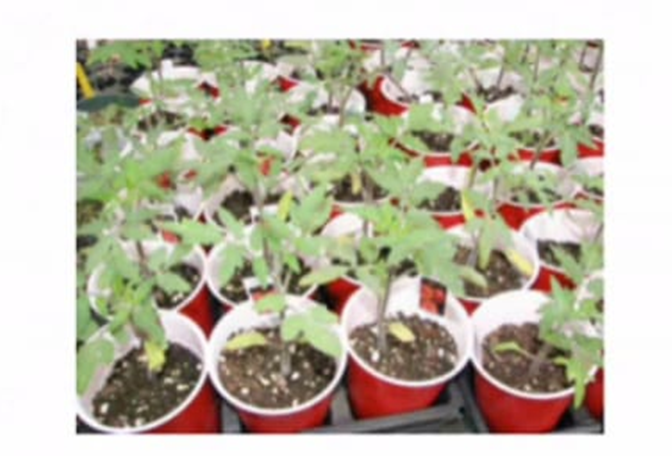
You want to conduct an experiment to see if a fertilizer increases the rate of growth of tomato plants. An appropriate control would be
A. growing corn plants with various amounts of fertilizer
growing corn plants with various amounts of fertilizer: Using corn plants introduces a different species, which makes results irrelevant to the effect of fertilizer on tomato plants.
B. growing tomato plants with various amounts of fertilizer
growing tomato plants with various amounts of fertilizer: This is part of the experimental group rather than a control, as it tests different fertilizer levels rather than providing a baseline for comparison.
C. growing corn plants without fertilizer
growing corn plants without fertilizer: Corn plants are not suitable because the research question focuses on tomato plants. A valid control must match the species being studied.
D. growing tomato plants without fertilizer
growing tomato plants without fertilizer: This is the correct control, as it provides a baseline growth rate for tomato plants without fertilizer, allowing meaningful comparison with fertilized groups.
Full Explanation
A. growing corn plants with various amounts of fertilizer: Using corn plants introduces a different species, which makes results irrelevant to the effect of fertilizer on tomato plants.
B. growing tomato plants with various amounts of fertilizer: This is part of the experimental group rather than a control, as it tests different fertilizer levels rather than providing a baseline for comparison.
C. growing corn plants without fertilizer: Corn plants are not suitable because the research question focuses on tomato plants. A valid control must match the species being studied.
D. growing tomato plants without fertilizer: This is the correct control, as it provides a baseline growth rate for tomato plants without fertilizer, allowing meaningful comparison with fertilized groups.