Nursing practice questions with comprehensive rationales
NurseDive Free Nursing Practice Question
A nurse administers an incorrect dose of medication to a client. The nurse recognizes the error immediately and completes an incident report. Which of the following facts related to the incident should the nurse document in the client's medical record?
A. Completion of the incident report
The completion of the incident report should not be documented in the client's medical record, but in a separate file for quality improvement purposes.
B. Time the medication was given
The time the medication was given is an essential fact related to the incident that should be documented in the client's medical record.
C. Reason for the medication error
The reason for the medication error should not be documented in the client's medical record, but in the incident report for analysis and prevention of future errors.
D. Notification of the pharmacist
The notification of the pharmacist should not be documented in the client's medical record, but in the incident report for follow-up and corrective actions.
This question is an excerpt from Nurse Dive's nursing test bank - RN Comprehensive Online Practice 2019 B with NGN Proctored Exam. Take the full exam now
Full Explanation
A is incorrect because the completion of the incident report should not be documented in the client's medical record, but in a separate file for quality improvement purposes.
B is correct because the time the medication was given is an essential fact related to the incident that should be documented in the client's medical record.
C is incorrect because the reason for the medication error should not be documented in the client's medical record, but in the incident report for analysis and prevention of future errors.
D is incorrect because the notification of the pharmacist should not be documented in the client's medical record, but in the incident report for follow-up and corrective actions.
Similar Questions
A nurse is planning care for a client who has rheumatoid arthritis and has moderate to severe pain in multiple joints. Which of the following actions should the nurse plan to take?
A. Perform ADLs for the client to promote rest
This is incorrect because performing ADLs for the client can increase their dependence and decrease their self-esteem. The nurse should encourage the client to perform ADLs as much as possible, with assistance as needed, to maintain their function and mobility.
B. Allow for frequent rest periods throughout the day
This is correct because rest periods can help reduce fatigue and pain, as well as prevent joint damage and inflammation. The nurse should balance rest and activity for the client and avoid overexertion.
C. Use heat to reduce joint inflammation
This is incorrect because heat can increase inflammation and pain in acute rheumatoid arthritis. The nurse should use cold applications to reduce swelling and inflammation in acute episodes, and use heat for chronic stiffness and pain.
D. Develop a daily schedule for acetaminophen up to 6 g/day that covers peak periods of pain
This is incorrect because acetaminophen has a maximum daily dose of 4 g/day, and exceeding this dose can cause liver toxicity. The nurse should monitor the client's liver function and use other analgesics as prescribed.
Full Explanation
Allow for frequent rest periods throughout the day.
- A. Perform ADLs for the client to promote rest. This is incorrect because performing ADLs for the client can increase their dependence and decrease their self-esteem. The nurse should encourage the client to perform ADLs as much as possible, with assistance as needed, to maintain their function and mobility.
- B. Allow for frequent rest periods throughout the day. This is correct because rest periods can help reduce fatigue and pain, as well as prevent joint damage and inflammation. The nurse should balance rest and activity for the client and avoid overexertion.
- C. Use heat to reduce joint inflammation. This is incorrect because heat can increase inflammation and pain in acute rheumatoid arthritis. The nurse should use cold applications to reduce swelling and inflammation in acute episodes, and use heat for chronic stiffness and pain. - D. Develop a daily schedule for acetaminophen up to 6 g/day that covers peak periods of pain. This is incorrect because acetaminophen has a maximum daily dose of 4 g/day, and exceeding this dose can cause liver toxicity. The nurse should monitor the client's liver function and use other analgesics as prescribed.
A nurse preceptor is evaluating the performance of a newly licensed nurse. Which of the following actions by the newly licensed nurse requires intervention by the preceptor?
A. Documents client tasks upon completion
Documenting client tasks upon completion is an appropriate action by the newly licensed nurse that demonstrates accuracy and timeliness of documentation.
B. Starts a task then determines what supplies are needed
Starting a task then determining what supplies are needed is an inappropriate action by the newly licensed nurse that indicates poor planning and organization skills.
C. Completes a client assessment while infusing an IV antibiotic over 30 min
Completing a client assessment while infusing an IV antibiotic over 30 min is an appropriate action by the newly licensed nurse that demonstrates efficient use of time and multitasking ability.
D. Returns to the nurses' station after completing several tasks in the same location
Returning to the nurses' station after completing several tasks in the same location is an appropriate action by the newly licensed nurse that demonstrates effective prioritization and delegation skills.
Full Explanation
A is incorrect because documenting client tasks upon completion is an appropriate action by the newly licensed nurse that demonstrates accuracy and timeliness of documentation.
B is correct because starting a task then determining what supplies are needed is an inappropriate action by the newly licensed nurse that indicates poor planning and organization skills.
C is incorrect because completing a client assessment while infusing an IV antibiotic over 30 min is an appropriate action by the newly licensed nurse that demonstrates efficient use of time and multitasking ability.
D is incorrect because returning to the nurses' station after completing several tasks in the same location is an appropriate action by the newly licensed nurse that demonstrates effective prioritization and delegation skills.
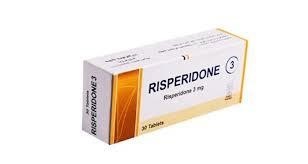
A nurse on an inpatient unit is caring for a client who has schizophrenia and recently started taking risperidone. Which of the following actions should the nurse take?
A. Implement fall precautions for the client
This is correct because risperidone can cause orthostatic hypotension, which can increase the risk of falls and injuries. The nurse should advise the client to change positions slowly, avoid alcohol and dehydration, and use assistive devices as needed.
B. Monitor the client's thyroid function
This is incorrect because risperidone does not affect thyroid function. The nurse should monitor the client's thyroid function if they are taking lithium, which can cause hypothyroidism.
C. Place the client on a fluid restriction
This is incorrect because risperidone does not cause fluid retention or overload. The nurse should encourage adequate fluid intake and monitor the client's fluid balance.
D. Discontinue the medication if hallucinations occur
This is incorrect because hallucinations are a symptom of schizophrenia, not a side effect of risperidone. The nurse should not discontinue the medication abruptly, as this can cause withdrawal symptoms and relapse of psychosis. The nurse should assess the client's response to the medication, report any adverse effects, and adjust the dosage as prescribed.
Full Explanation
Implement fall precautions for the client.
- A. Implement fall precautions for the client. This is correct because risperidone can cause orthostatic hypotension, which can increase the risk of falls and injuries. The nurse should advise the client to change positions slowly, avoid alcohol and dehydration, and use assistive devices as needed.
- B. Monitor the client's thyroid function. This is incorrect because risperidone does not affect thyroid function. The nurse should monitor the client's thyroid function if they are taking lithium, which can cause hypothyroidism.
- C. Place the client on a fluid restriction. This is incorrect because risperidone does not cause fluid retention or overload. The nurse should encourage adequate fluid intake and monitor the client's fluid balance.
- D. Discontinue the medication if hallucinations occur. This is incorrect because hallucinations are a symptom of schizophrenia, not a side effect of risperidone. The nurse should not discontinue the medication abruptly, as this can cause withdrawal symptoms and relapse of psychosis. The nurse should assess the client's response to the medication, report any adverse effects, and adjust the dosage as prescribed.