
Nursing practice questions with comprehensive rationales
NurseDive Free Nursing Practice Question
A nurse and an assistive personnel (AP) are repositioning a client who is immobile up in bed using a draw sheet. The nurse should instruct the AP to take which of the following actions?
A. Lower the client's bed to the lowest position.
B. Stand next to the client's shoulders.
C. Place a small pillow under the client's head.
D. Flex his hips while pulling the client.
Flex his hips while pulling the client. The nurse and AP should use proper body mechanics when repositioning a client to prevent injury and promote comfort. Flexing the hips while pulling the client reduces strain on the back muscles and allows for greater leverage. The nurse and AP should raise the bed to a comfortable working height, not lower it to the lowest position. The nurse and AP should stand on opposite sides of the bed near the client's hips, not shoulders. The nurse and AP should remove any pillows under or around the client before repositioning him.
This question is an excerpt from Nurse Dive's nursing test bank - ATI Comprehensive Predictor 2023 Proctored Exam. Take the full exam now
Full Explanation
The correct answer is D.
Flex his hips while pulling the client. The nurse and AP should use proper body mechanics when repositioning a client to prevent injury and promote comfort. Flexing the hips while pulling the client reduces strain on the back muscles and allows for greater leverage.
The nurse and AP should raise the bed to a comfortable working height, not lower it to the lowest position. The nurse and AP should stand on opposite sides of the bed near the client's hips, not shoulders. The nurse and AP should remove any pillows under or around the client before repositioning him.
Similar Questions
A nurse is caring for a 3-year-old child immediately following a tonic-clonic seizure. Which of the following actions should the nurse take?
A. Administer an oral antiepileptic medication
B. Place the child in a supine position.
C. Check the child for oral injuries.
Check the child for oral injuries. The rationale is that during a tonic-clonic seizure, the child may bite their tongue, cheek or lips and cause bleeding or damage to their oral tissues. The nurse should inspect the child's mouth for any injuries and provide appropriate care.
D. Offer the child sips of clear fluids.
Full Explanation
The correct answer is C.
Check the child for oral injuries. The rationale is that during a tonic-clonic seizure, the child may bite their tongue, cheek or lips and cause bleeding or damage to their oral tissues. The nurse should inspect the child's mouth for any injuries and provide appropriate care.
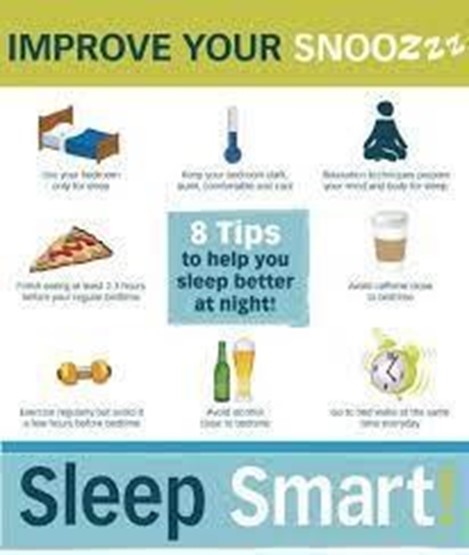
A nurse is collecting data from a client who reports difficulty sleeping at night. Which of the following client statements indicates an understanding of sleep promotion?
A. "I am eating dinner later in the evening."
B. "I go to the 24-hour gym shortly before I go to bed."
C. "I am going to bed at the same time every night."
Going to bed at the same time every night helps to establish a regular sleep pattern and promote sleep quality. Eating late, exercising before bed, and having noise in the bedroom can interfere with falling asleep or staying asleep.
D. "I moved the television to my bedroom for background noise."
Full Explanation
Going to bed at the same time every night helps to establish a regular sleep pattern and promote sleep quality.
Eating late, exercising before bed, and having noise in the bedroom can interfere with falling asleep or staying asleep.
A nurse is assisting with the care of a preschooler who has manifestations of respiratory syncytial virus (RSV). Which of the following actions should the nurse take?
A. Request an x-ray of the preschooler's neck.
B. Initiate droplet precautions.
Initiate droplet precautions. The rationale is that RSV is a highly contagious viral infection that causes respiratory tract inflammation and can spread through respiratory droplets from coughing or sneezing. The nurse should wear a mask and gloves when caring for the preschooler and isolate them from other children to prevent transmission.
C. Administer fluconazole to the preschooler.
D. Monitor the preschooler's urine for protein
Full Explanation
The correct answer is B.
Initiate droplet precautions. The rationale is that RSV is a highly contagious viral infection that causes respiratory tract inflammation and can spread through respiratory droplets from coughing or sneezing. The nurse should wear a mask and gloves when caring for the preschooler and isolate them from other children to prevent transmission.