
Nursing practice questions with comprehensive rationales
NurseDive Free Nursing Practice Question
A nurse in a newborn nursery is receiving change-of-shift report for four newborns.
Which of the following newborns should the nurse assess first?
A. A newborn who is 24 hr old and has not had a meconium stool.
Choice A, a newborn who is 24 hr old and has not had a meconium stool, may require further assessment but is not as urgent as a newborn with tachypnea.
B. A newborn who has a short frenulum and is having difficulty breastfeeding.
Choice B, a newborn who has a short frenulum and is having difficulty breastfeeding, may require assistance with feeding but is not as urgent as a newborn with tachypnea.
C. A newborn who is 10 hr old and has onset tachypnea.
A newborn who is 10 hr old and has onset tachypnea. Tachypnea means rapid breathing and can be a sign of respiratory distress. Transient tachypnea of the newborn (TTN) is a respiratory disorder usually seen shortly after delivery in babies who are born near or at term. It is important for the nurse to assess this newborn first to determine the cause of the tachypnea and provide appropriate care.
D. A newborn who is 30 hr old and has blood-tinged discharge in her diaper.
Choice D, a newborn who is 30 hr old and has blood-tinged discharge in her diaper, may have pseudomenstruation which is normal and not a cause for concern.
This question is an excerpt from Nurse Dive's nursing test bank - ATI RN Maternal Newborn 2019 with NGN Proctored Exam. Take the full exam now
Full Explanation
A newborn who is 10 hr old and has onset tachypnea.
Tachypnea means rapid breathing and can be a sign of respiratory distress.
Transient tachypnea of the newborn (TTN) is a respiratory disorder usually seen shortly after delivery in babies who are born near or at term.
It is important for the nurse to assess this newborn first to determine the cause of the tachypnea and provide appropriate care.

Choice A, a newborn who is 24 hr old and has not had a meconium stool, may
require further assessment but is not as urgent as a newborn with tachypnea.
Choice B, a newborn who has a short frenulum and is having difficulty breastfeeding, may require assistance with feeding but is not as urgent as a newborn with tachypnea.
Choice D, a newborn who is 30 hr old and has blood-tinged discharge in her diaper, may have pseudomenstruation which is normal and not a cause for concern.
Similar Questions
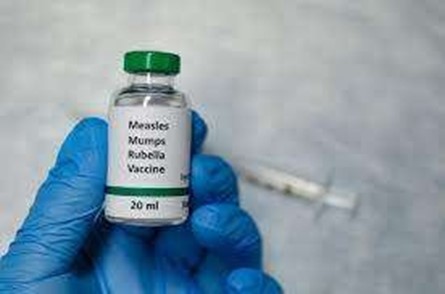
A nurse is providing teaching to a postpartum client who has a prescription for a rubella immunization.
Which of the following client statements indicates understanding of the teaching?
A. "I will receive a series of three immunizations and each one will be a month apart.”
Choice A is incorrect because the rubella vaccine is given as a single dose, not a series of three immunizations.
B. "I will report joint pain that develops after the immunization to my provider immediately.”
Choice B is incorrect because joint pain is a common side effect of the rubella vaccine and does not need to be reported immediately to the provider.
C. "I should avoid becoming pregnant for at least 1 month following the immunization.”
Rubella vaccine is a live atenuated vaccine and women should avoid pregnancy for at least 28 days after receiving the vaccine.
D. "I should avoid breastfeeding for 2 weeks following the immunization.”
Choice D is incorrect because breastfeeding is not contraindicated following rubella immunization.
Full Explanation
Rubella vaccine is a live atenuated vaccine and women should avoid pregnancy for at least 28 days after receiving the vaccine.
Choice A is incorrect because the rubella vaccine is given as a single dose, not a series of three immunizations.
Choice B is incorrect because joint pain is a common side effect of the rubella vaccine and does not need to be reported immediately to the provider.
Choice D is incorrect because breastfeeding is not contraindicated following rubella immunization.
A nurse is assisting the provider to administer a dinoprostone insert to induce labor for a client.
Which of the following actions should the nurse take?
A. Verify that informed consent is obtained prior to administration.
It is important for the nurse to verify that informed consent has been obtained before administering any medication or treatment.
B. Instruct the client to avoid urinary elimination until after administration.
Choice B is incorrect because there is no need for the client to avoid urinary elimination prior to administration of a dinoprostone insert.
C. Allow the medication to reach room temperature prior to administration.
Choice C is incorrect because there is no need to allow the medication to reach room temperature prior to administration.
D. Place the client in a semi-Fowler's position for 1 hr after administration.
Choice D is incorrect because there is no need for the client to be placed in a semi-Fowler’s position after administration of a dinoprostone insert.
Full Explanation
It is important for the nurse to verify that informed consent has been obtained before administering any medication or treatment.
Choice B is incorrect because there is no need for the client to avoid urinary elimination prior to administration of a dinoprostone insert.
Choice C is incorrect because there is no need to allow the medication to reach room temperature prior to administration.
Choice D is incorrect because there is no need for the client to be placed in a semi-Fowler’s position after administration of a dinoprostone insert.
A nurse is providing teaching to the parents of a newborn about the Plastibell circumcision technique.
Which of the following information should the nurse include?
A. "Notify the provider if the end of your baby's penis appears dark red.”
Choice A is incorrect because the foreskin may darken around the ring while it remains on the penis until it falls off naturally in 7-10 days.
B. "The Plastibell will be removed 4 hours after the procedure.”
Choice B is incorrect because the plastic ring remains on the penis until foreskin falls off naturally in 7-10 days.
C. "Yellow exudate will form at the surgical site in 24 hours.”
Yellow exudate will form at the surgical site in 24 hours. After a Plastibell circumcision, the penis might develop a yellow-ish discharge which is a normal side effect that should go away in a few days.
D. "Make sure the newborn's diaper is snug.”
Choice D is incorrect because there is no information found that suggests making sure the newborn’s diaper is snug after a Plastibell circumcision.
Full Explanation
Yellow exudate will form at the surgical site in 24 hours.
After a Plastibell circumcision, the penis might develop a yellow-ish discharge which is a normal side effect that should go away in a few days.
Choice A is incorrect because the foreskin may darken around the ring while it remains on the penis until it falls off naturally in 7-10 days.
Choice B is incorrect because the plastic ring remains on the penis until foreskin falls off naturally in 7-10 days.
Choice D is incorrect because there is no information found that suggests making sure the newborn’s diaper is snug after a Plastibell circumcision.