
Nursing practice questions with comprehensive rationales
NurseDive Free Nursing Practice Question
A nurse in a prenatal clinic is caring for a client who is at 7 weeks of gestation. The client reports urinary frequency and asks if this will continue until delivery. Which of the following responses should the nurse make?
A. "It occurs during the first trimester and near the end of the pregnancy."
Urinary frequency is a common symptom during pregnancy, especially in the first trimester and near the end of the pregnancy. During the first trimester, it is mainly due to hormonal changes and increased blood flow to the pelvic area. In the later stages, it is caused by the growing uterus putting pressure on the bladder.
B. "It's a minor inconvenience, which you should ignore."
Dismissing the client's concern as a minor inconvenience is not appropriate and may disregard the client's experience.
C. "There is no way to predict how long it will last in each individual client."
While it is true that each individual client's experience may vary, it is important to provide the client with information regarding common patterns.
D. "In most cases, it only lasts until the 12th week, but it will continue if you have poor bladder tone."
Providing accurate information about the duration of urinary frequency is important. While it may last until the 12th week for many women, it does not continue throughout the entire pregnancy for most individuals, regardless of bladder tone.
This question is an excerpt from Nurse Dive's nursing test bank - ATI Maternity Exam - Proctored Exam 2. Take the full exam now
Full Explanation
Choice A: Urinary frequency is a common symptom during pregnancy, especially in the first trimester and near the end of the pregnancy. During the first trimester, it is mainly due to
hormonal changes and increased blood flow to the pelvic area. In the later stages, it is caused by the growing uterus putting pressure on the bladder.
Choice B: Dismissing the client's concern as a minor inconvenience is not appropriate and may disregard the client's experience.
Choice C: While it is true that each individual client's experience may vary, it is important to provide the client with information regarding common patterns.
Choice D: Providing accurate information about the duration of urinary frequency is important. While it may last until the 12th week for many women, it does not continue throughout the entire pregnancy for most individuals, regardless of bladder tone.
Similar Questions
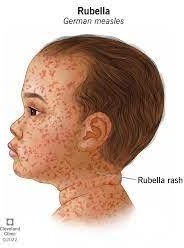
A nurse is caring for a client who has rubella at the time of delivery and asks why her newborn is being placed in isolation. Which of the following responses by the nurse is appropriate?
A. "The child might develop encephalitis, a complication of rubella."
While rubella can lead to complications like encephalitis, this answer does not address the reason for isolation precautions for the newborn.
B. "Exposure to rubella will suppress the newborn's immune response."
While rubella can suppress the immune response in general, it does not explain the need for isolation of the newborn specifically.
C. "The newborn is at risk for developing a TORCH infection."
TORCH (Toxoplasmosis, Rubella, Cytomegalovirus, and Herpes) infections are a group of infections that can be transmitted from mother to fetus during pregnancy. While rubella is part of the TORCH infections, this answer does not specifically address the reason for isolation of the newborn after delivery.
D. "The newborn might be actively shedding the virus."
Rubella, also known as German measles, is a contagious viral infection. Newborns born to mothers with rubella can be at risk because the virus can be transmitted to them during delivery. The newborn might be actively shedding the virus, which is why isolation precautions are necessary to prevent the spread of the infection to other vulnerable newborns or individuals.
Full Explanation
Choice A: While rubella can lead to complications like encephalitis, this answer does not address the reason for isolation precautions for the newborn.
Choice B: While rubella can suppress the immune response in general, it does not explain the need for isolation of the newborn specifically.
Choice C: TORCH (Toxoplasmosis, Rubella, Cytomegalovirus, and Herpes) infections are a group of infections that can be transmitted from mother to fetus during pregnancy. While rubella is part of the TORCH infections, this answer does not specifically address the reason for isolation of the newborn after delivery.
Choice D: Rubella, also known as German measles, is a contagious viral infection. Newborns born to mothers with rubella can be at risk because the virus can be transmitted to them during delivery. The newborn might be actively shedding the virus, which is why isolation precautions are necessary to prevent the spread of the infection to other vulnerable newborns or individuals.
A nurse is completing a health history for a client who is at 6 weeks of gestation. The client informs the nurse that she smokes one pack of cigarettes per day. The nurse should advise the
client that smoking places the client's newborn at risk for which of the following complications?
A. Type 1 diabetes mellitus
Smoking is not directly associated with the development of type 1 diabetes mellitus in the baby.
B. Hearing loss
While smoking during pregnancy can have various effects on the baby's health, hearing loss is not one of the common complications.
C. Congenital heart defects
Although smoking during pregnancy is associated with an increased risk of congenital heart defects, intrauterine growth restriction is a more likely complication based on the client's smoking history.
D. Intrauterine growth restriction
Smoking during pregnancy is associated with various adverse outcomes for both the mother and the baby. It can cause intrauterine growth restriction (IUGR), where the baby does not grow at the expected rate and has a lower birth weight. Smoking reduces blood flow to the placenta, which can affect the baby's growth and development.
Full Explanation
Choice A: Smoking is not directly associated with the development of type 1 diabetes mellitus in the baby.
Choice B: While smoking during pregnancy can have various effects on the baby's health, hearing loss is not one of the common complications.
Choice C: Although smoking during pregnancy is associated with an increased risk of congenital heart defects, intrauterine growth restriction is a more likely complication based on the client's smoking history.
Choice D: Smoking during pregnancy is associated with various adverse outcomes for both the mother and the baby. It can cause intrauterine growth restriction (IUGR), where the baby does not grow at the expected rate and has a lower birth weight. Smoking reduces blood flow to the placenta, which can affect the baby's growth and development.
A nurse is caring for a client who is at 40 weeks gestation and is lying supine while in active labor. The client has 6 cm of cervical dilation and 100% cervical effacement. The nurse obtains the client's blood pressure reading as 82/52 mm Hg. Which of the following nursing
interventions should the nurse perform?
A. Assist the client to an upright position.
While an upright position is generally beneficial during labor to improve uterine contractions and fetal positioning, it is not the priority in this situation of hypotension.
B. Prepare for a cesarean birth.
Preparing for a cesarean birth is not indicated solely based on the blood pressure reading. Cesarean birth should be considered based on the overall assessment and clinical condition of the client and baby.
C. Assist the client to turn onto her side.
The client's blood pressure reading of 82/52 mm Hg indicates hypotension. In this situation, the nurse should assist the client in turning onto her side to relieve pressure on the vena cava and improve blood flow to the placenta and the baby. Lying supine can compress the vena cava, leading to decreased venous return and reduced cardiac output, which may negatively affect fetal oxygenation and maternal wellbeing.
D. Prepare for an immediate vaginal delivery.
Preparing for an immediate vaginal delivery is not the priority at this moment. The nurse should first address the hypotension and improve maternal blood flow before proceeding with delivery.
Full Explanation
Choice A: While an upright position is generally beneficial during labor to improve uterine contractions and fetal positioning, it is not the priority in this situation of hypotension.
Choice B: Preparing for a cesarean birth is not indicated solely based on the blood pressure reading. Cesarean birth should be considered based on the overall assessment and clinical condition of the client and baby.
Choice C: The client's blood pressure reading of 82/52 mm Hg indicates hypotension. In this situation, the nurse should assist the client in turning onto her side to relieve pressure on the vena cava and improve blood flow to the placenta and the baby. Lying supine can compress the vena cava, leading to decreased venous return and reduced cardiac output, which may negatively affect fetal oxygenation and maternal wellbeing.
Choice D: Preparing for an immediate vaginal delivery is not the priority at this moment. The nurse should first address the hypotension and improve maternal blood flow before proceeding with delivery.