
Nursing practice questions with comprehensive rationales
NurseDive Free Nursing Practice Question
A nurse in a provider's office is assessing the vital signs of a 2-year-old child at a well-child visit.
Which of the following findings should the nurse report to the provider?
A. Blood pressure 118/74 mm Hg.
According to the normal pediatric vital signs chart provided by Cleveland Clinic, the normal blood pressure range for a 2-year-old child should be between 90- 105/55-70 mm Hg. The blood pressure of 118/74 mm Hg is higher than the normal range for a 2- year-old child and should be reported to the provider.
B. Respiratory rate 26/min.
Choice B is wrong because a respiratory rate of 26/min falls within the normal range of 20-30 breaths per minute for a child between ages 1 and.
C. Pulse rate 98/min.
Choice C is wrong because a pulse rate of 98/min falls within the normal range of 80-125 beats per minute for a child between ages 1 and.
D. Temperature 37.2° C (99° F).
Choice D is wrong because a temperature of 37.2° C (99° F) falls within the normal range for children which is around 98.6 degrees.
This question is an excerpt from Nurse Dive's nursing test bank - ATI RN Nursing Care of Children 2019 Proctored Exam. Take the full exam now
Full Explanation
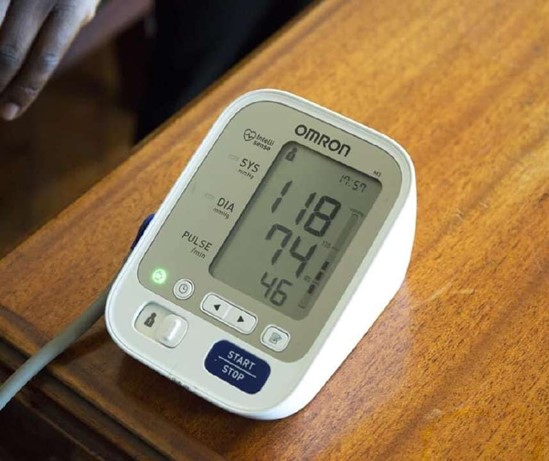
According to the normal pediatric vital signs chart provided by Cleveland Clinic, the normal blood pressure range for a 2-year-old child should be between 90- 105/55-70 mm Hg. The blood pressure of 118/74 mm Hg is higher than the normal range for a 2- year-old child and should be reported to the provider.
Choice B is wrong because a respiratory rate of 26/min falls within the normal range of 20-30 breaths per minute for a child between ages 1 and.
Choice C is wrong because a pulse rate of 98/min falls within the normal range of 80-125 beats per minute for a child between ages 1 and.
Choice D is wrong because a temperature of 37.2° C (99° F) falls within the normal range for children which is around 98.6 degrees.
Similar Questions
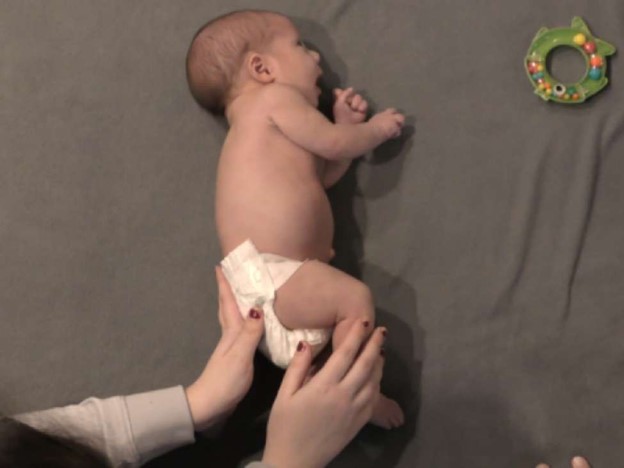
A nurse is providing teaching to the parents of a 2-month-old infant who has developmental dysplasia of the hip and has a prescription for a Pavlik harness.
Which of the following statements by the parents indicates an understanding of the teaching?
A. "We should adjust the straps daily.”
Choice A is wrong because while your child is being treated in the Pavlik harness, it is very important that you do not remove the harness or adjust the straps, unless you are given specific instructions by your doctor to do so.
B. "We will apply lotion to the skin under the straps.”
Choice B is wrong because there are no instructions to apply lotion to the skin under the straps.
C. "We will place the diaper under the straps.”
According to UCSF Benioff Children’s Hospital Oakland Orthopaedic Department, you can change your baby’s diaper with the Pavlik harness in place and make sure the straps are kept outside of the diaper.
D. "We should expect our baby to wear this harness for 2 months.”
Choice D is wrong because the duration of treatment will be determined by your doctor and may vary.
Full Explanation
According to UCSF Benioff Children’s Hospital Oakland Orthopaedic Department, you can change your baby’s diaper with the Pavlik harness in place and make sure the straps are kept outside of the diaper.
Choice A is wrong because while your child is being treated in the Pavlik harness, it is very important that you do not remove the harness or adjust the straps, unless you are given specific instructions by your doctor to do so.
Choice B is wrong because there are no instructions to apply lotion to the skin under the straps.
Choice D is wrong because the duration of treatment will be determined by your doctor and may vary.
A nurse is providing support to a family whose infant died from sudden infant death syndrome (SIDS).
Which of the following actions should the nurse take?
A. Discourage the parents from allowing siblings to view the body.
Choice A is wrong because there are no specific instructions discouraging the parents from allowing siblings to view the body.
B. Avoid discussing details of the attempt to revive the infant.
Choice B is wrong because avoiding discussing details of the attempt to revive the infant may not necessarily provide support to the family.
C. Provide a follow-up phone call 1 week following the infant's death.
Choice C is wrong because while providing a follow-up phone call 1 week following the infant’s death may be helpful, it is not the only action that should be taken by the nurse.
D. Acknowledge the family members' feelings of guilt.
Sudden infant death syndrome (SIDS) death has a devastating effect on parents. There is no known cause, so parents experience guilt about what they might have done or not done to contribute to the death. Acknowledging the family members’ feelings of guilt can help provide support to the family.
Full Explanation
Sudden infant death syndrome (SIDS) death has a devastating effect on parents.

There is no known cause, so parents experience guilt about what they might have done or not done to contribute to the death.
Acknowledging the family members’ feelings of guilt can help provide support to the family.
Choice A is wrong because there are no specific instructions discouraging the parents from allowing siblings to view the body.
Choice B is wrong because avoiding discussing details of the attempt to revive the infant may not necessarily provide support to the family.
Choice C is wrong because while providing a follow-up phone call 1 week following the infant’s death may be helpful, it is not the only action that should be taken by the nurse.
A nurse in a PACU is caring for a school-age child immediately following a tonsillectomy.
Which of the following actions should the nurse take?
A. Encourage the child to deep breathe and cough.
Choice A is wrong because deep breathing and coughing may cause discomfort and bleeding after a tonsillectomy.
B. Offer the child ice cream when alert.
Choice B is wrong because while ice cream may be soothing for the throat, it is not the only food that can be offered when the child is alert.
C. Instruct the child to drink fluids through a straw.
Choice C is wrong because drinking fluids through a straw may cause discomfort and bleeding after a tonsillectomy.
D. Place the child in a side-lying position.
After a tonsillectomy surgery, it is important to place the child in a side-lying position to help keep their airway open and prevent aspiration 1.
Full Explanation
After a tonsillectomy surgery, it is important to place the child in a side-lying position to help keep their airway open and prevent aspiration 1.
Choice A is wrong because deep breathing and coughing may cause discomfort and bleeding after a tonsillectomy.
Choice B is wrong because while ice cream may be soothing for the throat, it is not the only food that can be offered when the child is alert.
Choice C is wrong because drinking fluids through a straw may cause discomfort and bleeding after a tonsillectomy.