
Nursing practice questions with comprehensive rationales
NurseDive Free Nursing Practice Question
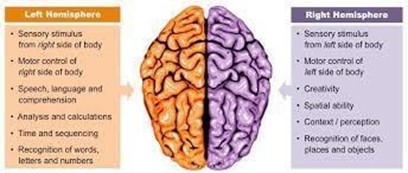
A nurse in an emergency department is assessing a client who has experienced a right hemispheric stroke. Which of the following findings should the nurse expect?
A. Aphasia
Aphasia, or difficulty with language, is more commonly associated with left hemispheric stroke.
B. Depression
Depression can be a common psychological reaction following stroke, but it is not a specific finding associated with right hemispheric stroke.
C. Loss of depth perception
Right hemispheric stroke can lead to loss of depth perception and spatial awareness due to its impact on the visual-spatial processing areas of the brain.
D. Slow, cautious behavior
Slow, cautious behavior is a common finding after stroke regardless of the affected hemisphere.
This question is an excerpt from Nurse Dive's nursing test bank - RN ati Concept-based assessment level proctored exam. Take the full exam now
Full Explanation
Choice A rationale:
Aphasia, or difficulty with language, is more commonly associated with left hemispheric stroke.
Choice B rationale:
Depression can be a common psychological reaction following stroke, but it is not a specific finding associated with right hemispheric stroke.
Choice C rationale:
Right hemispheric stroke can lead to loss of depth perception and spatial awareness due to its impact on the visual-spatial processing areas of the brain.
Choice D rationale:
Slow, cautious behavior is a common finding after stroke regardless of the affected hemisphere.
Similar Questions
A nurse is providing teaching about electroconvulsive therapy to a client who has treatment-resistant depression. Which of the following client statements indicates an understanding of the teaching?
A. "I should expect to have up to 12 treatments."
Electroconvulsive therapy (ECT) is typically administered as a series of treatments, often ranging from 6 to 12 sessions, to achieve optimal therapeutic effects.
B. "I should expect this treatment to cure my illness."
ECT can provide relief from severe depressive symptoms, but it is not necessarily considered a "cure" for depression.
C. "I will receive an antianxiety medication during the treatments."
ECT is not usually accompanied by antianxiety medication during the treatments.
D. "I will wake up 2 hours after the treatment."
Recovery from ECT typically occurs within minutes after the treatment, not after 2 hours.
Full Explanation
Choice A rationale:
Electroconvulsive therapy (ECT) is typically administered as a series of treatments, often ranging from 6 to 12 sessions, to achieve optimal therapeutic effects.
Choice B rationale:
ECT can provide relief from severe depressive symptoms, but it is not necessarily considered a "cure" for depression.
Choice C rationale:
ECT is not usually accompanied by antianxiety medication during the treatments.
Choice D rationale:
Recovery from ECT typically occurs within minutes after the treatment, not after 2 hours.
A nurse is providing teaching about lifestyle changes that can increase the chance for conception with a client who is experiencing infertility. Which of the following instructions should the nurse include?
A. "Increase your daily intake of fruits and vegetables."
A balanced diet that includes fruits and vegetables is important for overall health, but it is not specifically related to the timing of sexual intercourse for conception.
B. "Use a lubricant each time you have sexual intercourse."
Using a lubricant during sexual intercourse can sometimes interfere with sperm motility and decrease the chances of conception.
C. "Have sexual intercourse 2 days following ovulation."
Having sexual intercourse 2 days following ovulation can increase the chances of fertilization since sperm can survive in the female reproductive tract for several days, and the egg is viable for a shorter period.
D. "Encourage your partner to wear tight-fitting underwear."
While the type of underwear worn by the partner can influence testicular temperature, there is limited evidence to support the claim that tight-fitting underwear significantly affects fertility.
Full Explanation
Choice A rationale:
A balanced diet that includes fruits and vegetables is important for overall health, but it is not specifically related to the timing of sexual intercourse for conception.
Choice B rationale:
Using a lubricant during sexual intercourse can sometimes interfere with sperm motility and decrease the chances of conception.
Choice C rationale:
Having sexual intercourse 2 days following ovulation can increase the chances of fertilization since sperm can survive in the female reproductive tract for several days, and the egg is viable for a shorter period.
Choice D rationale:
While the type of underwear worn by the partner can influence testicular temperature, there is limited evidence to support the claim that tight-fitting underwear significantly affects fertility.
A nurse is obtaining a health history from a client who has diverticular disease. Which of the following should the nurse identify as a risk factor for this condition?
A. Low dietary intake of fiber
Low dietary intake of fiber is a significant risk factor for diverticular disease. A diet low in fiber can lead to constipation and increased pressure in the colon, contributing to the formation of diverticula.
B. Prolonged use of steroids
Prolonged use of steroids is not a primary risk factor for diverticular disease.
C. Insufficient intake of protein
Insufficient intake of protein is not a significant risk factor for diverticular disease.
D. Family history of gallbladder disease
Family history of gallbladder disease is not directly associated with an increased risk of diverticular disease.
Full Explanation
Choice A rationale:
Low dietary intake of fiber is a significant risk factor for diverticular disease. A diet low in fiber can lead to constipation and increased pressure in the colon, contributing to the formation of diverticula.
Choice B rationale:
Prolonged use of steroids is not a primary risk factor for diverticular disease.
Choice C rationale:
Insufficient intake of protein is not a significant risk factor for diverticular disease.
Choice D rationale:
Family history of gallbladder disease is not directly associated with an increased risk of diverticular disease.