
Nursing practice questions with comprehensive rationales
NurseDive Free Nursing Practice Question
A nurse in an emergency department is caring for a client.
Which of the following information provided by the client indicates improvement? Select all that apply.
A. “I have gained 1.8 kg (4 lb) recently, and my BMI is 18.9.”
A recent weight gain of 1.8 kg (4 lb) with a BMI of 18.9 may indicate potential nutritional issues or underlying health problems that require further investigation.
B. “My adult child prepares two meals per day for me.”
Having an adult child prepare meals could suggest the client may have difficulties with meal preparation, possibly due to physical or cognitive limitations.
C. “My clothing is always clean and appropriate for the weather.”
Clean and weather-appropriate clothing indicates the client is managing their personal hygiene and dressing appropriately, which does not typically prompt further assessment.
D. “I receive three baths per week from a home care aide.”
Receiving regular baths from a home care aide suggests the client has support for personal hygiene, which is generally a positive indicator and does not necessitate further assessment.
E. “I frequently have toothaches and haven’t had dental care in a while.”
Frequent toothaches and lack of dental care can indicate poor oral health, which can have significant implications for overall health and nutrition, warranting a more detailed assessment.
F. “I make eye contact and smile while speaking.”
Making eye contact and smiling while speaking generally indicates good social interaction skills and mental well-being, which does not typically prompt further assessment.
This question is an excerpt from Nurse Dive's nursing test bank - ATI Comprehensive Predictor 2023 Exit Proctored Exam A. Take the full exam now
Full Explanation
The correct answer is choice a, b, e.
Choice A rationale: A recent weight gain of 1.8 kg (4 lb) with a BMI of 18.9 may indicate potential nutritional issues or underlying health problems that require further investigation.
Choice B rationale: Having an adult child prepare meals could suggest the client may have difficulties with meal preparation, possibly due to physical or cognitive limitations.
Choice C rationale: Clean and weather-appropriate clothing indicates the client is managing their personal hygiene and dressing appropriately, which does not typically prompt further assessment.
Choice D rationale: Receiving regular baths from a home care aide suggests the client has support for personal hygiene, which is generally a positive indicator and does not necessitate further assessment.
Choice E rationale: Frequent toothaches and lack of dental care can indicate poor oral health, which can have significant implications for overall health and nutrition, warranting a more detailed assessment.
Choice F rationale: Making eye contact and smiling while speaking generally indicates good social interaction skills and mental well-being, which does not typically prompt further assessment.
Similar Questions
A nurse is caring for a newborn whose mother was taking methadone during her pregnancy.
Which of the following findings indicates the newborn is experiencing withdrawal?
A. Acrocyanosis
, acrocyanosis, is wrong because it is a normal finding in newborns. Acrocyanosis is a bluish discoloration of the hands and feet due to immature peripheral circulation. It usually resolves within the first 24 to 48 hours of life.
B. Bradycardia
bradycardia, is wrong because it is not a typical sign of withdrawal. Bradycardia is a slow heart rate, usually less than 100 beats per minute in newborns. It can be caused by hypoxia, hypothermia, hypoglycemia, or vagal stimulation.
C. Bulging fontanels
, bulging fontanels, is wrong because it is a sign of increased intracranial pressure, not withdrawal. Bulging fontanels can be caused by meningitis, hydrocephalus, or hemorrhage. Normal ranges for newborn vital signs are as follows:
D. Hypertonicity
Full Explanation
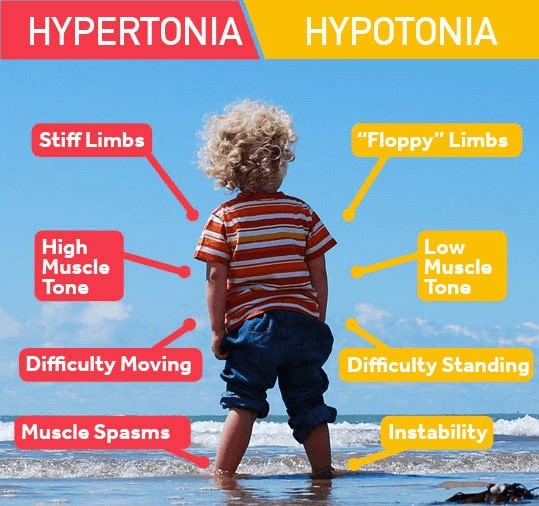
Hypertonicity is a sign of increased muscle tone and stiffness, which can indicate that the newborn is experiencing withdrawal from methadone exposure in utero. Methadone is an opioid medication that can cross the placenta and cause neonatal abstinence syndrome (NAS) in the newborn.
Choice A, acrocyanosis, is wrong because it is a normal finding in newborns.
Acrocyanosis is a bluish discoloration of the hands and feet due to immature peripheral circulation. It usually resolves within the first 24 to 48 hours of life.
Choice B, bradycardia, is wrong because it is not a typical sign of withdrawal.
Bradycardia is a slow heart rate, usually less than 100 beats per minute in newborns. It can be caused by hypoxia, hypothermia, hypoglycemia, or vagal stimulation.
Choice C, bulging fontanels, is wrong because it is a sign of increased intracranial pressure, not withdrawal. Bulging fontanels can be caused by meningitis, hydrocephalus, or hemorrhage.
Normal ranges for newborn vital signs are as follows:
- Heart rate: 120 to 160 beats per minute
- Respiratory rate: 30 to 60 breaths per minute
- Temperature: 36.5 to 37.5°C (97.7 to 99.5°F)
- Blood pressure: 60 to 80 mm Hg systolic and 40 to 50 mm Hg diastolic
A nurse inadvertently administers 160 mg of valsartan PO to a client who was scheduled to receive 80 mg.
Which of the following actions is the priority for the nurse to take?
A. Monitor the client’s urine output
wrong because monitoring the client’s urine output is not a priority action for a client who received an overdose of valsartan. Valsartan does not have a direct effect on urine output, although it may affect kidney function in some cases. The nurse should monitor the client’s serum creatinine and blood urea nitrogen levels to assess kidney function, but this is not as urgent as evaluating the client for orthostatic hypotension.
B. Check the client for nasal congestion
wrong because checking the client for nasal congestion is not a priority action for a client who received an overdose of valsartan.
C. Evaluate the client for orthostatic hypotension
Valsartan is a medication that lowers blood pressure by blocking the action of angiotensin II, a hormone that causes blood vessels to constrict. By dilating the blood vessels, valsartan reduces the pressure in the arteries and improves blood flow to the organs. However, if the dose of valsartan is too high, it can cause excessive lowering of blood pressure, which can lead to symptoms such as dizziness, fainting, blurred vision, or nausea. This is especially likely when the client changes position from lying or sitting to standing, which is called orthostatic hypotension. Therefore, the nurse should monitor the client’s blood pressure and pulse in different positions and report any significant changes to the provider. The nurse should also instruct the client to rise slowly from a lying or sitting position and to avoid driving or operating machinery until the effects of the medication wear off.
D. Obtain the client’s laboratory results
wrong because obtaining the client’s laboratory results is not a priority action for a client who received an overdose of valsartan.
Full Explanation
A nurse is reviewing the laboratory data of a client who received 2 units of packed RBCs.
Which of the following laboratory findings should the nurse expect following the transfusion?
A. Increased Hct.
Hct stands for hematocrit, which is the percentage of red blood cells (RBCs) in the blood. A client who received 2 units of packed RBCs should have an increased Hct because they have more RBCs in their blood volume. The normal range for Hct is 38% to 50% for males and 36% to 44% for females.
B. Decreased Hgb
is wrong because decreased Hgb means decreased hemoglobin, which is the protein that carries oxygen in the RBCs. A client who received 2 units of packed RBCs should have an increased Hgb because they have more hemoglobin in their blood. The normal range for Hgb is 13.5 to 17.5 g/dL for males and 12 to 15.5 g/dL for females.
C. Increased platelets
is wrong because increased platelets means increased thrombocytes, which are the cells that help with blood clotting. A client who received 2 units of packed RBCs should not have an increased platelet count because they did not receive platelets in the transfusion. The normal range for platelets is 150,000 to 400,000/mm^3.
D. Decreased WBC count
is wrong because decreased WBC count means decreased leukocytes, which are the cells that fight infection and inflammation
Full Explanation
- Answer and explanation.
The correct answer is choice A. Increased Hct.
Hct stands for hematocrit, which is the percentage of red blood cells (RBCs) in the blood.
A client who received 2 units of packed RBCs should have an increased Hct because they have more RBCs in their blood volume. The normal range for Hct is 38% to 50% for males and 36% to 44% for females.
Choice B is wrong because decreased Hgb means decreased hemoglobin, which is the protein that carries oxygen in the RBCs.
A client who received 2 units of packed RBCs should have an increased Hgb because they have more hemoglobin in their blood. The normal range for Hgb is 13.5 to 17.5 g/dL for males and 12 to 15.5 g/dL for females.
Choice C is wrong because increased platelets means increased thrombocytes, which are the cells that help with blood clotting.
A client who received 2 units of packed RBCs should not have an increased platelet count because they did not receive platelets in the transfusion. The normal range for platelets is 150,000 to 400,000/mm^3.
Choice D is wrong because decreased WBC count means decreased leukocytes, which are the cells that fight infection and inflammation.
A client who received 2 units of packed RBCs should not have a decreased WBC count because they did not receive WBCs in the transfusion. The normal range for WBC count is 4,500 to 11,000/mm^3.