Nursing practice questions with comprehensive rationales
NurseDive Free Nursing Practice Question
A nurse in an emergency department is caring for a client who has diabetic ketoacidosis (DKA) and a blood glucose level of 925 mg/dL. The nurse should anticipate which of the following prescriptions from the provider?
A. Oral hypoglycemic medications
Reason: This choice is incorrect because oral hypoglycemic medications are not effective for treating DKA. Oral hypoglycemic medications are drugs that lower the blood glucose level by stimulating insulin secretion or increasing insulin sensitivity. They may be used for clients who have type 2 diabetes mellitus, but they do not work for clients who have type 1 diabetes mellitus or DKA.
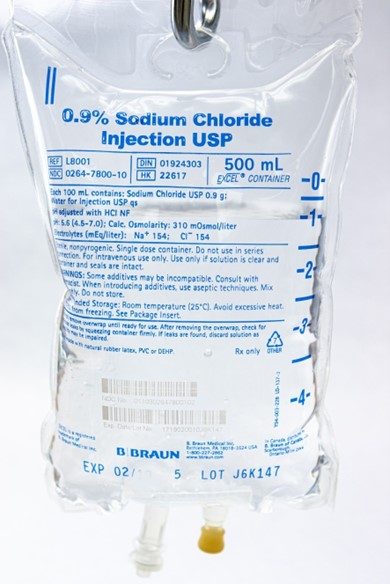
B. 0.9% sodium chloride IV bolus
Reason: This choice is correct because 0.9% sodium chloride IV bolus is an effective treatment for DKA. 0.9% sodium chloride is an isotonic solution that contains the same concentration of solutes as blood plasma. It may be used for clients who have fluid loss, dehydration, or shock. In DKA, the body breaks down fat for energy due to insulin deficiency or resistance, resulting in high levels of ketones and acids in the blood. This causes osmotic diuresis, dehydration, electrolyte imbalance, and metabolic acidosis. Therefore, administering 0.9% sodium chloride IV bolus can help to restore fluid volume and correct electrolyte imbalance.
C. Dextrose 5% in 0.45% sodium chloride
Reason: This choice is incorrect because dextrose 5% in 0.45% sodium chloride is not indicated for treating DKA. Dextrose 5% in 0.45% sodium chloride is a hypertonic solution that contains more solutes than blood plasma. It may be used for clients who have hyponatremia, cerebral edema, or malnutrition, but it can worsen hyperglycemia and osmotic diuresis in clients who have DKA.
D. Glucocorticoid medications
Reason: This choice is incorrect because glucocorticoid medications are not indicated for treating DKA. Glucocorticoid medications are drugs that mimic the effects of cortisol, a hormone that regulates stress response and inflammation. They may be used for clients who have allergic reactions, asthma, or autoimmune diseases, but they can increase blood glucose levels and inhibit insulin action in clients who have DKA.
This question is an excerpt from Nurse Dive's nursing test bank - ATI Med Surg Custom N235 Final Summer 2023 Proctored Exam. Take the full exam now
Full Explanation
Choice A Reason: This choice is incorrect because oral hypoglycemic medications are not effective for treating DKA. Oral hypoglycemic medications are drugs that lower the blood glucose level by stimulating insulin secretion or increasing insulin sensitivity. They may be used for clients who have type 2 diabetes mellitus, but they do not work for clients who have type 1 diabetes mellitus or DKA.
Choice B Reason: This choice is correct because 0.9% sodium chloride IV bolus is an effective treatment for DKA. 0.9% sodium chloride is an isotonic solution that contains the same concentration of solutes as blood plasma. It may be used for clients who have fluid loss, dehydration, or shock. In DKA, the body breaks down fat for energy due to insulin deficiency or resistance, resulting in high levels of ketones and acids in the blood. This causes osmotic diuresis, dehydration, electrolyte imbalance, and metabolic acidosis. Therefore, administering 0.9% sodium chloride IV bolus can help to restore fluid volume and correct electrolyte imbalance.
Choice C Reason: This choice is incorrect because dextrose 5% in 0.45% sodium chloride is not indicated for treating DKA. Dextrose 5% in 0.45% sodium chloride is a hypertonic solution that contains more solutes than blood plasma. It may be used for clients who have hyponatremia, cerebral edema, or malnutrition, but it can worsen hyperglycemia and osmotic diuresis in clients who have DKA.
Choice D Reason: This choice is incorrect because glucocorticoid medications are not indicated for treating DKA. Glucocorticoid medications are drugs that mimic the effects of cortisol, a hormone that regulates stress response and inflammation. They may be used for clients who have allergic reactions, asthma, or autoimmune diseases, but they can increase blood glucose levels and inhibit insulin action in clients who have DKA.
Similar Questions
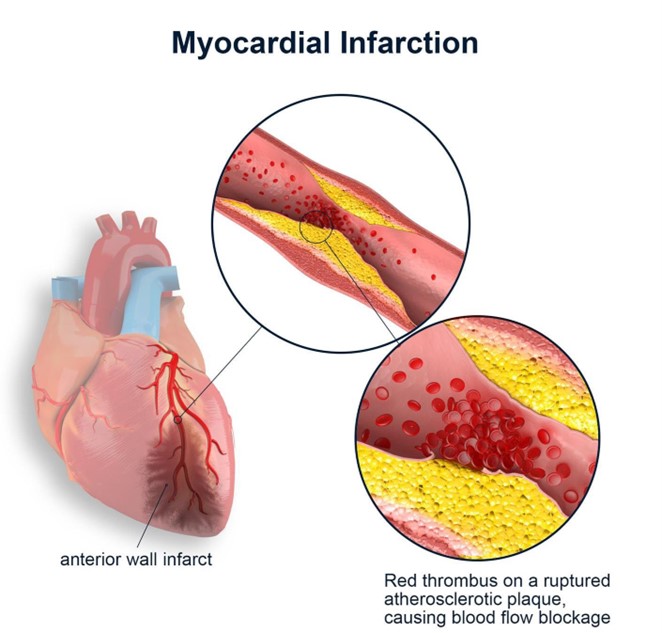
A nurse is admitting a client who has acute heart failure following myocardial infarction (MI). The nurse recognizes that which of the following prescriptions by the provider requires clarification?
A. Laboratory testing of serum potassium upon admission
Reason: This choice is incorrect because laboratory testing of serum potassium upon admission is an appropriate prescription for a client who has acute heart failure following MI. Serum potassium is an electrolyte that affects the cardiac function and rhythm. A normal serum potassium range is 3.5 to 5 mEq/L, and an abnormal level can indicate hypokalemia or hyperkalemia, which can cause arrhythmias, muscle weakness, or paralysis. Therefore, monitoring serum potassium is important to detect and correct any electrolyte imbalance and prevent complications.
B. Bumetanide 1 mg IV bolus every 12 hr
Reason: This choice is incorrect because bumetanide 1 mg IV bolus every 12 hr is an appropriate prescription for a client who has acute heart failure following MI. Bumetanide is a loop diuretic that helps to reduce fluid retention and edema by increasing the urine output and sodium excretion. It may be used for clients who have heart failure, hypertension, or renal impairment, but it can cause hypokalemia, hypotension, or dehydration. Therefore, administering bumetanide as prescribed can help to improve the cardiac output and reduce the preload and afterload.
C. 0.9% normal saline IV at 50 mL/hr continuous
Reason: This choice is correct because 0.9% normal saline IV at 50 mL/hr continuous is an inappropriate prescription for a client who has acute heart failure following MI. 0.9% normal saline is an isotonic solution that contains the same concentration of solutes as blood plasma. It may be used for clients who have fluid loss, dehydration, or shock, but it can worsen fluid overload and pulmonary edema in clients who have acute heart failure. Therefore, clarifying this prescription with the provider is necessary to prevent further deterioration of the client's condition.
D. Morphine sulfate 2 mg IV bolus every 2 hr PRN pain
Reason: This choice is incorrect because morphine sulfate 2 mg IV bolus every 2 hr PRN pain is an appropriate prescription for a client who has acute heart failure following MI. Morphine sulfate is an opioid analgesic that helps to relieve pain and anxiety by binding to the opioid receptors in the brain and spinal cord. It may be used for clients who have moderate to severe pain, dyspnea, or chest discomfort, but it can cause respiratory depression, hypotension, or nausea. Therefore, administering morphine sulfate as prescribed can help to reduce the oxygen demand and improve the cardiac function.
Full Explanation
Choice A Reason: This choice is incorrect because laboratory testing of serum potassium upon admission is an appropriate prescription for a client who has acute heart failure following MI. Serum potassium is an electrolyte that affects the cardiac function and rhythm. A normal serum potassium range is 3.5 to 5 mEq/L, and an abnormal level can indicate hypokalemia or hyperkalemia, which can cause arrhythmias, muscle weakness, or paralysis. Therefore, monitoring serum potassium is important to detect and correct any electrolyte imbalance and prevent complications.
Choice B Reason: This choice is incorrect because bumetanide 1 mg IV bolus every 12 hr is an appropriate prescription for a client who has acute heart failure following MI. Bumetanide is a loop diuretic that helps to reduce fluid retention and edema by increasing the urine output and sodium excretion. It may be used for clients who have heart failure, hypertension, or renal impairment, but it can cause hypokalemia, hypotension, or dehydration.
Therefore, administering bumetanide as prescribed can help to improve the cardiac output and reduce the preload and afterload.
Choice C Reason: This choice is correct because 0.9% normal saline IV at 50 mL/hr continuous is an inappropriate prescription for a client who has acute heart failure following MI. 0.9% normal saline is an isotonic solution that contains the same concentration of solutes as blood plasma. It may be used for clients who have fluid loss, dehydration, or shock, but it can worsen fluid overload and pulmonary edema in clients who have acute heart failure. Therefore, clarifying this prescription with the provider is necessary to prevent further deterioration of the client's condition.
Choice D Reason: This choice is incorrect because morphine sulfate 2 mg IV bolus every 2 hr PRN pain is an appropriate prescription for a client who has acute heart failure following MI. Morphine sulfate is an opioid analgesic that helps to relieve pain and anxiety by binding to the opioid receptors in the brain and spinal cord. It may be used for clients who have moderate to severe pain, dyspnea, or chest discomfort, but it can cause respiratory depression, hypotension, or nausea. Therefore, administering morphine sulfate as prescribed can help to reduce the oxygen demand and improve the cardiac function.
A nurse is reviewing the arterial blood gas results for a client in the ICU who has kidney failure and determines the client has respiratory acidosis. Which of the following findings should the nurse expect?
A. Warm, flushed skin
Reason: This choice is incorrect because warm, flushed skin is not a sign of respiratory acidosis. Warm, flushed skin may indicate fever, infection, inflammation, or allergic reaction, but it does not reflect the acid-base imbalance in the blood.
B. Hyperactive deep tendon reflexes
Reason: This choice is incorrect because hyperactive deep tendon reflexes are not a sign of respiratory acidosis. Hyperactive deep tendon reflexes may indicate hypocalcemia, hyperthyroidism, or spinal cord injury, but they do not reflect the carbon dioxide level in the blood.
C. Bounding peripheral pulses
Reason: This choice is incorrect because bounding peripheral pulses are not a sign of respiratory acidosis. Bounding peripheral pulses may indicate increased cardiac output, anxiety, or hyperthyroidism, but they do not reflect the pH level in the blood.
D. Widened QRS complexes
Reason: This choice is correct because widened QRS complexes are a sign of respiratory acidosis. QRS complexes are the segments on an electrocardiogram (ECG) that represent the depolarization of the ventricles. A normal QRS complex duration is 0.06 to 0.10 seconds, and a widened QRS complex duration is more than 0.12 seconds. A widened QRS complex may indicate hyperkalemia, which is a common complication of kidney failure and respiratory acidosis. Hyperkalemia is a condition in which the serum potassium level is higher than normal (more than 5 mEq/L). It may cause cardiac arrhythmias, muscle weakness, or paralysis.
Full Explanation
Choice A Reason: This choice is incorrect because warm, flushed skin is not a sign of respiratory acidosis. Warm, flushed skin may indicate fever, infection, inflammation, or allergic reaction, but it does not reflect the acid-base imbalance in the blood.
Choice B Reason: This choice is incorrect because hyperactive deep tendon reflexes are not a sign of respiratory acidosis. Hyperactive deep tendon reflexes may indicate hypocalcemia, hyperthyroidism, or spinal cord injury, but they do not reflect the carbon dioxide level in the blood.
Choice C Reason: This choice is incorrect because bounding peripheral pulses are not a sign of respiratory acidosis. Bounding peripheral pulses may indicate increased cardiac output, anxiety, or hyperthyroidism, but they do not reflect the pH level in the blood.
Choice D Reason: This choice is correct because widened QRS complexes are a sign of respiratory acidosis. QRS complexes are the segments on an electrocardiogram (ECG) that represent the depolarization of the ventricles. A normal QRS complex duration is 0.06 to 0.10 seconds, and a widened QRS complex duration is more than 0.12 seconds. A widened QRS complex may indicate hyperkalemia, which is a common complication of kidney failure and respiratory acidosis. Hyperkalemia is a condition in which the serum potassium level is higher than normal (more than 5 mEq/L). It may cause cardiac arrhythmias, muscle weakness, or paralysis.
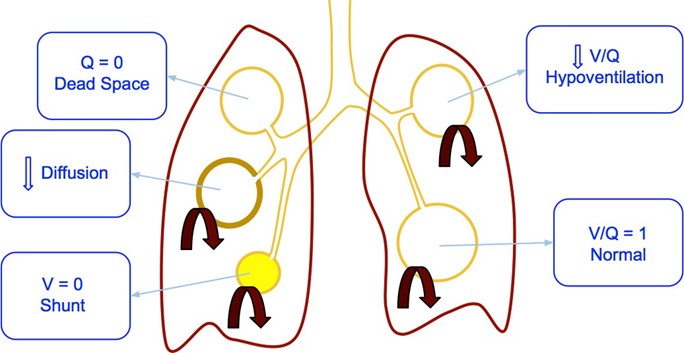
A nurse is caring for a client who has acute respiratory failure (ARF). The nurse should monitor the client for which of the following manifestations of this condition? (Select all that apply.)
A. Headache
Choice A Reason: This choice is incorrect because headache is not a common manifestation of ARF. Headache may be caused by various factors such as dehydration, stress, sinusitis, or migraine, but it does not indicate ARF.
B. Severe dyspnea
Choice B Reason: This choice is correct because severe dyspnea is a common manifestation of ARF. Dyspnea is a difficulty or discomfort in breathing that affects the oxygen delivery and carbon dioxide removal from the body. It may be caused by various factors such as lung disease, heart disease, anemia, or anxiety, but it indicates ARF when it is severe and persistent.
C. Nausea
Choice C Reason: This choice is incorrect because nausea is not a common manifestation of ARF. Nausea is a sensation of uneasiness or discomfort in the stomach that may precede vomiting. It may be caused by various factors such as food poisoning, motion sickness, medication side effects, or pregnancy, but it does not indicate ARF.
D. Hypotension
Choice D Reason: This choice is correct because hypotension is a common manifestation of ARF. Hypotension is a condition in which the blood pressure is lower than normal (less than 90/60 mm Hg). It may be caused by various factors such as dehydration, blood loss, sepsis, or shock, but it indicates ARF when it is due to reduced cardiac output or vasodilation from hypoxia.
E. Hypotension
Choice E Reason: This choice is correct because decreased level of consciousness is a common manifestation of ARF. Decreased level of consciousness is a condition in which the person has impaired awareness or responsiveness to stimuli. It may be caused by various factors such as brain injury, stroke, seizure, or drug overdose, but it indicates ARF when it is due to increased carbon dioxide levels (hypercapnia) or decreased oxygen levels (hypoxemia) in the brain.
Full Explanation
Choice A Reason: This choice is incorrect because headache is not a common manifestation of ARF. Headache may be caused by various factors such as dehydration, stress, sinusitis, or migraine, but it does not indicate ARF.
Choice B Reason: This choice is correct because severe dyspnea is a common manifestation of ARF. Dyspnea is a difficulty or discomfort in breathing that affects the oxygen delivery and carbon dioxide removal from the body. It may be caused by various factors such as lung disease, heart disease, anemia, or anxiety, but it indicates ARF when it is severe and persistent.
Choice C Reason: This choice is incorrect because nausea is not a common manifestation of ARF. Nausea is a sensation of uneasiness or discomfort in the stomach that may precede vomiting. It may be caused by various factors such as food poisoning, motion sickness, medication side effects, or pregnancy, but it does not indicate ARF.
Choice D Reason: This choice is correct because hypotension is a common manifestation of ARF. Hypotension is a condition in which the blood pressure is lower than normal (less than 90/60 mm Hg). It may be caused by various factors such as dehydration, blood loss, sepsis, or shock, but it indicates ARF when it is due to reduced cardiac output or vasodilation from hypoxia.
Choice E Reason: This choice is correct because decreased level of consciousness is a common manifestation of ARF. Decreased level of consciousness is a condition in which the person has impaired awareness or responsiveness to stimuli. It may be caused by various factors such as brain injury, stroke, seizure, or drug overdose, but it indicates ARF when it is due to increased carbon dioxide levels (hypercapnia) or decreased oxygen levels (hypoxemia) in the brain.