
Nursing practice questions with comprehensive rationales
NurseDive Free Nursing Practice Question
A nurse in an emergency department is reviewing a client's ECG reading.
Which of the following findings should the nurse identify as an indication that the client has first-degree heart block?
A. Prolonged PR intervals.
First-degree heart block is a type of atrioventricular (AV) block that involves the consistent prolongation of the PR interval (defined as >0.20 seconds) due to delayed conduction via the atrioventricular node. This is seen on an ECG as a PR interval greater than 200 ms in length.
B. Nondiscernible P waves.
Choice B: Nondiscernible P waves are not an answer because it is not mentioned as a characteristic of first-degree heart block in my sources.
C. More P waves than QRS complexes.
Choice C: More P waves than QRS complexes is not an answer because it is not mentioned as a characteristic of first-degree heart block in my sources.
D. No correlation between P and QRS waves.
Choice D: No correlation between P and QRS waves is not an answer because it is not mentioned as a characteristic of first-degree heart block in my sources.
This question is an excerpt from Nurse Dive's nursing test bank - ATI Adult Medical Surgical 2019 Proctored Exam. Take the full exam now
Full Explanation
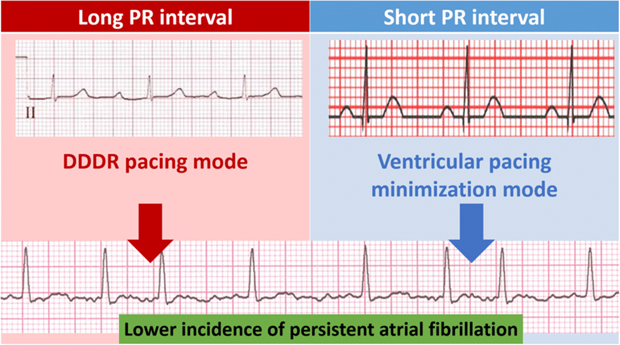
First-degree heart block is a type of atrioventricular (AV) block that involves the consistent prolongation of the PR interval (defined as >0.20 seconds) due to delayed conduction via the atrioventricular node.
This is seen on an ECG as a PR interval greater than 200 ms in length.
Choice B: Nondiscernible P waves are not an answer because it is not mentioned as a characteristic of first-degree heart block in my sources.
Choice C: More P waves than QRS complexes is not an answer because it is not mentioned as a characteristic of first-degree heart block in my sources.
Choice D: No correlation between P and QRS waves is not an answer because it is not mentioned as a characteristic of first-degree heart block in my sources.
Similar Questions
A nurse is assessing a client who has heart failure.
Which of the following client statements should indicate to the nurse that the client needs a referral for cardiac rehabilitation?
A. "I will weigh myself daily.".
Choice A is not the correct answer because weighing oneself daily is a recommended self-monitoring technique for clients with heart failure.
B. "l hate how I feel all the time.".
Choice B is not the correct answer because while feeling unhappy can be a symptom of heart failure, it does not necessarily indicate a need for cardiac rehabilitation.
C. "I'm too tired to brush my teeth.".
“I’m too tired to brush my teeth.” This statement indicates that the client is experiencing fatigue, which is a common symptom of heart failure. Fatigue can significantly impact a person’s ability to perform daily activities and can be an indication that the client needs a referral for cardiac rehabilitation 1.
D. "I need to start eating a low-sodium diet.".
Choice D is not the correct answer because eating a low-sodium diet is a recommended dietary change for clients with heart failure.
Full Explanation
“I’m too tired to brush my teeth.” This statement indicates that the client is experiencing fatigue, which is a common symptom of heart failure.
Fatigue can significantly impact a person’s ability to perform daily activities and can be an indication that the client needs a referral for cardiac rehabilitation 1.
Choice A is not the correct answer because weighing oneself daily is a recommended self-monitoring technique for clients with heart failure.
Choice B is not the correct answer because while feeling unhappy can be a symptom of heart failure, it does not necessarily indicate a need for cardiac rehabilitation.
Choice D is not the correct answer because eating a low-sodium diet is a recommended dietary change for clients with heart failure.
A nurse is caring for a client who has cancer. The client tells the nurse, "I would prefer to try vitamins and minerals instead of chemotherapy." Which of the following responses should the nurse make?
A. "You should ask your provider about your plan.".
This response is appropriate because it acknowledges the client's desire to explore alternative treatments while directing them to the appropriate source for medical advice. It promotes client autonomy and ensures they receive accurate information from their healthcare provider.
B. "Tell me what you know about chemotherapy.".
This response is also appropriate. It encourages the client to express their understanding and concerns about chemotherapy, allowing the nurse to identify any misconceptions and provide accurate information. This also opens the door for the client to express their concerns about vitamins and minerals, and why they want to persue that treatment.
C. "I have never heard of any holistic treatment that is effective.".
This response is inappropriate because it dismisses the client's preferences and demonstrates a lack of respect for their autonomy. It also displays a lack of knowledge, as some holistic treatments can be used as supportive therapies.
D. "The best way to treat your cancer is chemotherapy.".
This response is inappropriate because it is directive and does not allow the client to participate in decision-making. It also does not address the client's desire to explore alternative treatments.
Full Explanation
- A. "You should ask your provider about your plan." This response is appropriate because it acknowledges the client's desire to explore alternative treatments while directing them to the appropriate source for medical advice. It promotes client autonomy and ensures they receive accurate information from their healthcare provider.
- B. "Tell me what you know about chemotherapy." This response is also appropriate. It encourages the client to express their understanding and concerns about chemotherapy, allowing the nurse to identify any misconceptions and provide accurate information. This also opens the door for the client to express their concerns about vitamins and minerals, and why they want to persue that treatment.
- C. "I have never heard of any holistic treatment that is effective." This response is inappropriate because it dismisses the client's preferences and demonstrates a lack of respect for their autonomy. It also displays a lack of knowledge, as some holistic treatments can be used as supportive therapies.
- D. "The best way to treat your cancer is chemotherapy." This response is inappropriate because it is directive and does not allow the client to participate in decision-making. It also does not address the client's desire to explore alternative treatments.
A nurse is caring for a client who has bounding pulses, crackles on auscultation, and pink frothy secretions when receiving suctioning.
The nurse should recognize these assessment findings as indicating which of the following?
A. Increased cardiac output.
Choice A is not the correct answer because the increased cardiac output would not cause these symptoms.
B. Pleural effusion.
Choice B is not the correct answer because pleural effusion refers to a buildup of fluid between the layers of tissue that line the lungs and chest cavity, which would not cause these symptoms.
C. Fluid volume excess.
“Fluid volume excess.” Bounding pulses, crackles on auscultation, and pink frothy secretions when receiving suctioning are all signs of fluid volume excess. Fluid volume excess can occur when the heart is unable to pump blood efficiently, causing fluid to build up in the lungs.
D. Aspiration.
Choice D is not the correct answer because aspiration refers to the inhalation of food, liquid, or other substances into the lungs, which would not cause these symptoms.
Full Explanation
“Fluid volume excess.” Bounding pulses, crackles on auscultation, and pink frothy secretions when receiving suctioning are all signs of fluid volume excess.
Fluid volume excess can occur when the heart is unable to pump blood efficiently, causing fluid to build up in the lungs.
Choice A is not the correct answer because the increased cardiac output would not cause these symptoms.
Choice B is not the correct answer because pleural effusion refers to a buildup of fluid between the layers of tissue that line the lungs and chest cavity, which would not cause these symptoms.
Choice D is not the correct answer because aspiration refers to the inhalation of food, liquid, or other substances into the lungs, which would not cause these symptoms.