Nursing practice questions with comprehensive rationales
NurseDive Free Nursing Practice Question
A nurse in an urgent care clinic is caring for a client who reports recently using methylenedioxyphenol-methamphetamine. Which of the following findings should the nurse expect?
A. Hallucinations
Methylenedioxyphenol-methamphetamine (MDMA), also known as ecstasy or Molly, is a psychoactive substance that can produce hallucinations as one of its effects. Hallucinations involve perceiving things that are not present in reality, such as seeing, hearing, or feeling things that do not actually exist.
B. Muscle weakness
is not a common finding associated with MDMA use. In fact, MDMA typically produces an increase in energy and heightened physical sensations rather than muscle weakness.
C. Hypothermia
Can occur as a result of MDMA use. MDMA can interfere with the body's ability to regulate temperature, leading to an increase in body temperature. This is commonly known as "drug-induced hyperthermia" rather than hypothermia.
D. Somnolence
Which refers to excessive sleepiness or drowsiness, is not typically associated with MDMA use. MDMA is a stimulant drug that can produce increased wakefulness and alertness.
This question is an excerpt from Nurse Dive's nursing test bank - ATI PN Comprehensive Predictor 2023 - Proctored Exam 1. Take the full exam now
Full Explanation
Explanation:
Methylenedioxyphenol-methamphetamine (MDMA), also known as ecstasy or Molly, is a psychoactive substance that can produce hallucinations as one of its effects. Hallucinations involve perceiving things that are not present in reality, such as seeing, hearing, or feeling things that do not actually exist.
Muscle weakness (choice B) is not a common finding associated with MDMA use. In fact, MDMA typically produces an increase in energy and heightened physical sensations rather than muscle weakness.
Hypothermia (choice C) can occur as a result of MDMA use. MDMA can interfere with the body's ability to regulate temperature, leading to an increase in body temperature. This is commonly known as "drug-induced hyperthermia" rather than hypothermia.
Somnolence (choice D), which refers to excessive sleepiness or drowsiness, is not typically associated with MDMA use. MDMA is a stimulant drug that can produce increased wakefulness and alertness.
Similar Questions
A nurse is providing change-of-shift report for a client.
Which of the following information should the nurse include in the report?
A. "The client's partner visited earlier today for 2 hours."
While it's important to document visitors and support persons, this information may not be considered crucial for the change-of-shift report unless it directly impacts the client's care or well-being.
B. "The client received the prescribed antibiotic every 8 hours."
The client received the prescribed antibiotic every 8 hours: This is important information, but it is typically documented in the medication administration record (MAR) and does not need to be included in the verbal report unless there were issues or changes related to the medication.
C. "The client reports pain is reduced when he is positioned on his side."
The client reports pain is reduced when positioned on his side: This is significant information as it informs the incoming nurse about the client's preferred position for pain management. It helps guide the nurse in providing comfort measures and appropriate positioning for the client.
D. "The client's mother died 4 years ago from breast cancer."
The client's mother died 4 years ago from breast cancer: This information may not be considered vital for the change-of-shift report unless it directly impacts the client's current condition or ongoing care.
Full Explanation
A. While it's important to document visitors and support persons, this information may not be considered crucial for the change-of-shift report unless it directly impacts the client's care or well-being.
B. The client received the prescribed antibiotic every 8 hours: This is important information, but it is typically documented in the medication administration record (MAR) and does not need to be included in the verbal report unless there were issues or changes related to the medication.
C. The client reports pain is reduced when positioned on his side: This is significant information as it informs the incoming nurse about the client's preferred position for pain management. It helps guide the nurse in providing comfort measures and appropriate positioning for the client. The client's mother died 4 years ago from breast cancer: This information may not be considered vital for the change-of-shift report unless it directly impacts the client's current condition or ongoing care.
D. The client's mother died 4 years ago from breast cancer: This information may not be considered vital for the change-of-shift report unless it directly impacts the client's current condition or ongoing care.
A nurse is reinforcing teaching with a client who has a new prescription for enoxaparin. The nurse should identify which of the following over-the- counter products as unsafe for use with enoxaparin?
A. Calcium supplement
Calcium supplements do not have direct interactions or pose significant risks when used with enoxaparin. However, it is always important for the client to inform their healthcare provider about all medications, including over-the-counter products, they are taking to ensure there are no potential interactions or contraindications specific to their individual situation.
B. Docusate
Docusate (a stool softener) doesnot have direct interactions or pose significant risks when used with enoxaparin. However, it is always important for the client to inform their healthcare provider about all medications, including over-the-counter products, they are taking to ensure there are no potential interactions or contraindications specific to their individual situation.
C. Cimetidine
Cimetidine (an H2 blocker) does not have direct interactions or pose significant risks when used with enoxaparin. However, it is always important for the client to inform their healthcare provider about all medications, including over-the-counter products, they are taking to ensure there are no potential interactions or contraindications specific to their individual situation.
D. Naproxen
The nurse should identify Naproxen as an over-the-counter product that is unsafe for use with enoxaparin. Naproxen is a nonsteroidal anti-inflammatory drug (NSAID) that can increase the risk of bleeding when used in combination with anticoagulant medications like enoxaparin. Both enoxaparin and Naproxen have anticoagulant effects, and using them together can significantly increase the risk of bleeding complications.
Full Explanation
The nurse should identify Naproxen as an over-the-counter product that is unsafe for use with enoxaparin. Naproxen is a nonsteroidal anti-inflammatory drug (NSAID) that can increase the risk of bleeding when used in combination with anticoagulant medications like enoxaparin. Both enoxaparin and Naproxen have anticoagulant effects, and using them together can significantly increase the risk of bleeding complications.
On the other hand, calcium supplements, docusate (a stool softener), and cimetidine (an H2 blocker) do not have direct interactions or pose significant risks when used with enoxaparin. However, it is always important for the client to inform their healthcare provider about all medications, including over-the-counter products, they are taking to ensure there are no potential interactions or contraindications specific to their individual situation.
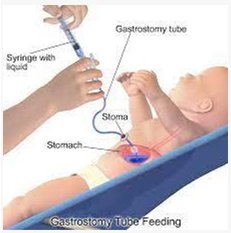
A nurse is providing site care for a child who has a gastrostomy enteral tube.
Which of the following actions should the nurse take?
A. Apply a skin barrier protectant to the site.
Using a skin barrier protectant helps shield the peristomal skin from irritation and breakdown caused by gastric contents and formula leakage.
B. Apply water-soluble lubricant to the site.
Similarly, applying a water-soluble lubricant to the site is not a routine step in gastrostomy tube site care. Lubricants are typically used during the insertion of the tube or for intermittent tube feedings, but not for routine site care.
C. Tape the tube to the child's cheek.
Taping the tube to the child's cheek is not necessary for routine site care. The tube should be secured using a dressing or device designed for gastrostomy tube stabilization, rather than taping it to the cheek.
D. Attach an extension tube to the site's opening prior to use.
Attaching an extension tube is related to administering feedings or medications rather than the maintenance and care of the gastrostomy site. Site care focuses on protecting the skin and ensuring cleanliness around the tube insertion area.
Full Explanation
A- Apply a skin barrier protectant to the site: Using a skin barrier protectant helps shield the peristomal skin from irritation and breakdown caused by gastric contents and formula leakage.
B- Apply water-soluble lubricant to the site: Similarly, applying a water-soluble lubricant to the site is not a routine step in gastrostomy tube site care. Lubricants are typically used during the insertion of the tube or for intermittent tube feedings, but not for routine site care.
C- Tape the tube to the child's cheek: Taping the tube to the child's cheek is not necessary for routine site care. The tube should be secured using a dressing or device designed for gastrostomy tube stabilization, rather than taping it to the cheek.
D. Attaching an extension tube is related to administering feedings or medications rather than the maintenance and care of the gastrostomy site. Site care focuses on protecting the skin and ensuring cleanliness around the tube insertion area.