Nursing practice questions with comprehensive rationales
NurseDive Free Nursing Practice Question
A nurse in the antepartum unit is caring for a client who is at 36 weeks of gestation and has gestational hypertension. Suddenly, the client reports continuous abdominal pain and vaginal bleeding. The nurse should suspect which of the following complications?
A. Placenta previa
Choice A) Placenta previa is incorrect because this is not a likely complication for a client who has gestational hypertension and reports continuous abdominal pain and vaginal bleeding. Placenta previa is a condition where the placenta covers part or all of the cervix, preventing normal delivery. It can cause painless, bright red bleeding in the third trimester, especially after intercourse or a pelvic exam. However, it does not cause abdominal pain, as the bleeding is not associated with uterine contractions or separation. Moreover, it is not related to gestational hypertension, which is a condition that causes high blood pressure during pregnancy. Therefore, this response is irrelevant and inaccurate.
B. Incompetent cervix
Choice B) Incompetent cervix is incorrect because this is not a possible complication for a client who is at 36 weeks of gestation and has gestational hypertension and reports continuous abdominal pain and vaginal bleeding. Incompetent cervix is a condition where the cervix is weak and unable to hold the pregnancy, leading to premature dilation and delivery. It can cause painless, watery vaginal discharge or spotting in the second trimester, followed by rupture of membranes and labor. However, it does not cause abdominal pain or heavy bleeding, as the cervix does not tear or detach from the uterus. Moreover, it is not related to gestational hypertension, which is a condition that causes high blood pressure during pregnancy. Therefore, this response is irrelevant and inaccurate.
C. Prolapsed cord
Choice C) Prolapsed cord is incorrect because this is not a common complication for a client who has gestational hypertension and reports continuous abdominal pain and vaginal bleeding. Prolapsed cord is a condition where the umbilical cord slips through the cervix and into the vagina before the baby, compressing the cord and cutting off the blood supply and oxygen to the baby. It can cause variable or prolonged fetal heart rate decelerations, visible or palpable cord in the vagina, or fetal distress. However, it does not cause abdominal pain or bleeding, as the cord does not rupture or bleed. Moreover, it is not related to gestational hypertension, which is a condition that causes high blood pressure during pregnancy. Therefore, this response is irrelevant and inaccurate.
D. Abruptio placentae
Choice D) Abruptio placentae is correct because this is a probable complication for a client who has gestational hypertension and reports continuous abdominal pain and vaginal bleeding. Abruptio placentae is a condition where the placenta separates from the uterine wall before delivery, causing hemorrhage and hypoxia for the mother and the baby. It can cause severe, constant abdominal pain, dark red bleeding, uterine tenderness or rigidity, fetal distress or demise, or maternal shock or coagulopathy. It can be triggered by gestational hypertension, which is a condition that causes high blood pressure during pregnancy and increases the risk of placental abruption by 25%. Therefore, this response is relevant and accurate.
This question is an excerpt from Nurse Dive's nursing test bank - ATI Maternity Proctored Exam 2. Take the full exam now
Full Explanation
Choice A) Placenta previa is incorrect because this is not a likely complication for a client who has gestational hypertension and reports continuous abdominal pain and vaginal bleeding. Placenta previa is a condition where the placenta covers part or all of the cervix, preventing normal delivery. It can cause painless, bright red bleeding in the third trimester, especially after intercourse or a pelvic exam. However, it does not cause abdominal pain, as the bleeding is not associated with uterine contractions or separation. Moreover, it is not related to gestational hypertension, which is a condition that causes high blood pressure during pregnancy. Therefore, this response is irrelevant and inaccurate.
Choice B) Incompetent cervix is incorrect because this is not a possible complication for a client who is at 36 weeks of gestation and has gestational hypertension and reports continuous abdominal pain and vaginal bleeding.
Incompetent cervix is a condition where the cervix is weak and unable to hold the pregnancy, leading to premature dilation and delivery. It can cause painless, watery vaginal discharge or spotting in the second trimester, followed by rupture of membranes and labor. However, it does not cause abdominal pain or heavy bleeding, as the cervix does not tear or detach from the uterus. Moreover, it is not related to gestational hypertension, which is a condition that causes high blood pressure during pregnancy. Therefore, this response is irrelevant and inaccurate.
Choice C) Prolapsed cord is incorrect because this is not a common complication for a client who has gestational hypertension and reports continuous abdominal pain and vaginal bleeding. Prolapsed cord is a condition where the umbilical cord slips through the cervix and into the vagina before the baby, compressing the cord and cutting off the blood supply and oxygen to the baby. It can cause variable or prolonged fetal heart rate decelerations, visible or palpable cord in the vagina, or fetal distress. However, it does not cause abdominal pain or bleeding, as the cord does not rupture or bleed. Moreover, it is not related to gestational hypertension, which is a condition that causes high blood pressure during pregnancy. Therefore, this response is irrelevant and inaccurate.
Choice D) Abruptio placentae is correct because this is a probable complication for a client who has gestational hypertension and reports continuous abdominal pain and vaginal bleeding. Abruptio placentae is a condition where the placenta separates from the uterine wall before delivery, causing hemorrhage and hypoxia for the mother and the baby. It can cause severe, constant abdominal pain, dark red bleeding, uterine tenderness or rigidity, fetal distress or demise, or maternal shock or coagulopathy. It can be triggered by gestational hypertension, which is a condition that causes high blood pressure during pregnancy and increases the risk of placental abruption by 25%. Therefore, this response is relevant and accurate.
Similar Questions
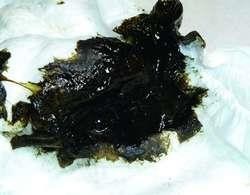
A first-time father is changing the diaper of his 1-day-old daughter. He asks the nurse, "What is this black, sticky stuff in her diaper?" The nurse's best response is:
A. "Oh, don't worry about that. It's okay."
Choice A) "Oh, don't worry about that. It's okay." is incorrect because this is not a helpful or informative response for a first-time father who is changing the diaper of his 1-day-old daughter. This response does not explain what the black, sticky stuff in the diaper is, why it is there, or how long it will last. It also does not address the father's concern or curiosity, and may make him feel dismissed or ignored. Therefore, this response is inadequate and inappropriate.
B. "That's meconium, which is your baby's first stool. It's normal."
Choice B) "That's meconium, which is your baby's first stool. It's normal." is correct because this is a clear and accurate response for a first-time father who is changing the diaper of his 1-day-old daughter. This response explains what the black, sticky stuff in the diaper is, which is meconium. Meconium is a substance that consists of amniotic fluid, mucus, bile, and other waste products that accumulate in the baby's intestines before birth. It is usually passed within the first 24 to 48 hours after birth, and then replaced by transitional or regular stools. Meconium has a dark green or black color and a thick, sticky consistency. It does not have any odor or bacteria. It is normal and harmless for most babies, unless they inhale it during delivery, which can cause breathing problems or infection. Therefore, this response reassures and educates the father about his baby's condition.
C. "That's transitional stool."
Choice C) "That's transitional stool." is incorrect because this is not a true or complete response for a first-time father who is changing the diaper of his 1-day-old daughter. This response does not identify what the black, sticky stuff in the diaper is, which is meconium. Transitional stool is a type of stool that appears after meconium and before regular stools. It usually occurs between the second and fifth day after birth, and then changes to yellow or brown stools. Transitional stool has a greenish-brown color and a loose, seedy consistency. It may have some odor or bacteria. It indicates that the baby's digestive system is maturing and adapting to breast milk or formula. Therefore, this response confuses and misleads the father about his baby's condition.
D. "That means your baby is bleeding internally."
Choice D) "That means your baby is bleeding internally." is incorrect because this is not a valid or appropriate response for a first-time father who is changing the diaper of his 1-day-old daughter. This response does not describe what the black, sticky stuff in the diaper is, which is meconium. Bleeding internally means that blood vessels are damaged or ruptured inside the body, causing blood loss and shock. This can be caused by various factors such as trauma, infection, clotting disorder, or medication. Bleeding internally can manifest as blood in the stool, urine, vomit, or saliva. However, it does not cause black, sticky stools like meconium. Moreover, this response scares and alarms the father without any evidence or reason. Therefore, this response is false and unethical.
Full Explanation
Choice A) "Oh, don't worry about that. It's okay." is incorrect because this is not a helpful or informative response for a first-time father who is changing the diaper of his 1-day-old daughter. This response does not explain what the black, sticky stuff in the diaper is, why it is there, or how long it will last. It also does not address the father's concern or curiosity, and may make him feel dismissed or ignored. Therefore, this response is inadequate and inappropriate.
Choice B) "That's meconium, which is your baby's first stool. It's normal." is correct because this is a clear and accurate response for a first-time father who is changing the diaper of his 1-day-old daughter. This response explains what the black, sticky stuff in the diaper is, which is meconium. Meconium is a substance that consists of amniotic fluid, mucus, bile, and other waste products that accumulate in the baby's intestines before birth. It is usually passed within the first 24 to 48 hours after birth, and then replaced by transitional or regular stools. Meconium has a dark green or black color and a thick, sticky consistency. It does not have any odor or bacteria. It is normal and harmless for most babies, unless they inhale it during delivery, which can cause breathing problems or infection. Therefore, this response reassures and educates the father about his baby's condition.
Choice C) "That's transitional stool." is incorrect because this is not a true or complete response for a first-time father who is changing the diaper of his 1-day-old daughter. This response does not identify what the black, sticky stuff in the diaper is, which is meconium. Transitional stool is a type of stool that appears after meconium and before regular stools. It usually occurs between the second and fifth day after birth, and then changes to yellow or brown stools. Transitional stool has a greenish-brown color and a loose, seedy consistency. It may have some odor or bacteria. It indicates that the baby's digestive system is maturing and adapting to breast milk or formula. Therefore, this response confuses and misleads the father about his baby's condition.
Choice D) "That means your baby is bleeding internally." is incorrect because this is not a valid or appropriate response for a first-time father who is changing the diaper of his 1-day-old daughter. This response does not describe what the black, sticky stuff in the diaper is, which is meconium. Bleeding internally means that blood vessels are damaged or ruptured inside the body, causing blood loss and shock. This can be caused by various factors such as trauma, infection, clotting disorder, or medication. Bleeding internally can manifest as blood in the stool, urine, vomit, or saliva. However, it does not cause black, sticky stools like meconium. Moreover, this response scares and alarms the father without any evidence or reason. Therefore, this response is false and unethical.
Nursing care of the infant with neonatal abstinence syndrome should include:
A. Spending extra time holding and rocking the infant.
Choice A) Spending extra time holding and rocking the infant is correct because this is an effective and recommended nursing care for an infant with neonatal abstinence syndrome. Neonatal abstinence syndrome (NAS) is a condition that occurs when an infant is exposed to drugs such as opioids, cocaine, or alcohol in utero and goes through withdrawal after birth. NAS can cause various physical and behavioral problems in the infant, such as irritability, poor feeding, vomiting, diarrhea, sweating, fever, or seizures. Holding and rocking the infant can provide comfort, warmth, and security to the infant, as well as reduce stress and pain. It can also promote bonding and attachment between the infant and the caregiver. Therefore, this nursing care should be included in the care plan for an infant with NAS.
B. Feeding the infant on a 2-hour schedule.
Choice B) Feeding the infant on a 2-hour schedule is incorrect because this is not a helpful or appropriate nursing care for an infant with neonatal abstinence syndrome. Feeding is an important aspect of caring for any infant, as it provides nutrients and calories that support growth and development. However, feeding an infant with NAS on a 2- hour schedule may not be suitable or feasible, as NAS can affect the infant's feeding ability and tolerance. An infant with NAS may have difficulty sucking, swallowing, or coordinating breathing during feeding. They may also have frequent vomiting, diarrhea, or dehydration that can interfere with feeding. Therefore, feeding an infant with NAS should be done according to their cues and needs, rather than a fixed schedule. The infant should be offered small, frequent feedings of breast milk or formula, depending on the mother's preference and availability. The infant should also be burped often and held upright after feeding to prevent aspiration or reflux.
C. Positioning the infant's crib in a quiet corner of the nursery.
Choice C) Positioning the infant's crib in a quiet corner of the nursery is incorrect because this is not a sufficient or optimal nursing care for an infant with neonatal abstinence syndrome. Positioning is an important aspect of caring for any infant, as it affects their comfort, safety, and development. However, positioning an infant with NAS in a quiet corner of the nursery may not be enough or beneficial, as NAS can make the infant more sensitive and responsive to environmental stimuli. An infant with NAS may be easily disturbed or overstimulated by noise, light, or movement in the nursery. They may also feel isolated or neglected if they are placed away from other infants or caregivers. Therefore, positioning an infant with NAS should be done in a way that minimizes stimulation and maximizes interaction. The crib should be placed in a dimly lit, low noise area of the nursery, but close enough to allow frequent monitoring and contact by the nurse. The crib should also be padded with soft blankets or pillows to prevent injury from excessive movements or seizures.
D. Placing stuffed animals and mobiles in the crib to provide visual stimulation.
Choice D) Placing stuffed animals and mobiles in the crib to provide visual stimulation is incorrect because this is not a safe or suitable nursing care for an infant with neonatal abstinence syndrome. Stimulation is an important aspect of caring for any infant, as it enhances their learning and development. However, stimulating an infant with NAS with stuffed animals and mobiles may not be appropriate or advisable, as NAS can make the infant more irritable and restless. An infant with NAS may not enjoy or tolerate visual stimulation from toys or objects in their crib. They may also become agitated or overexcited by them, which can worsen their symptoms or cause complications. Moreover, placing stuffed animals and mobiles in the crib can pose a risk of suffocation, strangulation, or injury for the infant. Therefore, stimulating an infant with NAS should be done in a way that is gentle and gradual. The nurse should use soothing techniques such as talking softly, singing lullabies, or massaging the infant's skin to calm them down. The nurse should also use simple toys such as rattles or balls to engage them in play when they are alert and interested.
Full Explanation
Choice A) Spending extra time holding and rocking the infant is correct because this is an effective and recommended nursing care for an infant with neonatal abstinence syndrome. Neonatal abstinence syndrome (NAS) is a condition that occurs when an infant is exposed to drugs such as opioids, cocaine, or alcohol in utero and goes through withdrawal after birth. NAS can cause various physical and behavioral problems in the infant, such as irritability, poor feeding, vomiting, diarrhea, sweating, fever, or seizures. Holding and rocking the infant can provide comfort, warmth, and security to the infant, as well as reduce stress and pain. It can also promote bonding and attachment between the infant and the caregiver. Therefore, this nursing care should be included in the care plan for an infant with NAS.
Choice B) Feeding the infant on a 2-hour schedule is incorrect because this is not a helpful or appropriate nursing care for an infant with neonatal abstinence syndrome. Feeding is an important aspect of caring for any infant, as it provides nutrients and calories that support growth and development. However, feeding an infant with NAS on a 2- hour schedule may not be suitable or feasible, as NAS can affect the infant's feeding ability and tolerance. An infant with NAS may have difficulty sucking, swallowing, or coordinating breathing during feeding. They may also have frequent vomiting, diarrhea, or dehydration that can interfere with feeding. Therefore, feeding an infant with NAS should be done according to their cues and needs, rather than a fixed schedule. The infant should be offered small, frequent feedings of breast milk or formula, depending on the mother's preference and availability. The infant should also be burped often and held upright after feeding to prevent aspiration or reflux.
Choice C) Positioning the infant's crib in a quiet corner of the nursery is incorrect because this is not a sufficient or optimal nursing care for an infant with neonatal abstinence syndrome. Positioning is an important aspect of caring for any infant, as it affects their comfort, safety, and development. However, positioning an infant with NAS in a quiet corner of the nursery may not be enough or beneficial, as NAS can make the infant more sensitive and responsive to environmental stimuli. An infant with NAS may be easily disturbed or overstimulated by noise, light, or movement in the nursery. They may also feel isolated or neglected if they are placed away from other infants or caregivers.
Therefore, positioning an infant with NAS should be done in a way that minimizes stimulation and maximizes interaction. The crib should be placed in a dimly lit, low noise area of the nursery, but close enough to allow frequent monitoring and contact by the nurse. The crib should also be padded with soft blankets or pillows to prevent injury from excessive movements or seizures.
Choice D) Placing stuffed animals and mobiles in the crib to provide visual stimulation is incorrect because this is not a safe or suitable nursing care for an infant with neonatal abstinence syndrome. Stimulation is an important aspect of caring for any infant, as it enhances their learning and development. However, stimulating an infant with NAS with stuffed animals and mobiles may not be appropriate or advisable, as NAS can make the infant more irritable and restless. An infant with NAS may not enjoy or tolerate visual stimulation from toys or objects in their crib. They may also become agitated or overexcited by them, which can worsen their symptoms or cause complications. Moreover, placing stuffed animals and mobiles in the crib can pose a risk of suffocation, strangulation, or injury for the infant. Therefore, stimulating an infant with NAS should be done in a way that is gentle and gradual. The nurse should use soothing techniques such as talking softly, singing lullabies, or massaging the infant's skin to calm them down. The nurse should also use simple toys such as rattles or balls to engage them in play when they are alert and interested.

A nurse is caring for a client who has preeclampsia and is being treated with magnesium sulfate IV. The client's respiratory rate is 10/min and deep-tendon reflexes are absent. Which of the following actions should the nurse take?
A. Prepare for an emergency cesarean birth.
Choice A) Prepare for an emergency cesarean birth is incorrect because this is not a priority or appropriate action for a nurse who is caring for a client who has preeclampsia and is being treated with magnesium sulfate IV. Preeclampsia is a condition that causes high blood pressure, proteinuria, and edema during pregnancy. It can lead to complications such as eclampsia, which is seizures, or HELLP syndrome, which is hemolysis, elevated liver enzymes, and low platelets. Magnesium sulfate is a medication that helps to prevent or treat seizures in preeclamptic clients by relaxing the muscles and nerves. However, it can also cause side effects such as respiratory depression, hypotension, or loss of reflexes. Preparing for an emergency cesarean birth may be necessary if the client has severe preeclampsia or fetal distress, but it does not address the immediate problem of magnesium toxicity. Therefore, this action should be done only when indicated by the physician and after stabilizing the client's condition.
B. Discontinue the medication infusion.
Choice B) Discontinue the medication infusion is correct because this is a priority and appropriate action for a nurse who is caring for a client who has preeclampsia and is being treated with magnesium sulfate IV. Discontinuing the medication infusion can help to stop or reduce the adverse effects of magnesium sulfate, such as respiratory depression, hypotension, or loss of reflexes. These effects can indicate magnesium toxicity, which is a life-threatening condition that can cause cardiac arrest or coma. The nurse should also notify the physician and prepare to administer calcium gluconate, which is an antidote for magnesium toxicity. Therefore, this action should be done as soon as possible for clients who show signs of magnesium overdose.
C. Place the client in Trendelenburg's position.
Choice C) Place the client in Trendelenburg's position is incorrect because this is not a safe or suitable action for a nurse who is caring for a client who has preeclampsia and is being treated with magnesium sulfate IV. Trendelenburg's position means lying on the back with the head lower than the feet. It is sometimes used to improve blood flow to the brain or heart in cases of shock or hypotension. However, it can also cause complications such as increased intracranial pressure, decreased lung expansion, aspiration, or acid reflux. Moreover, it does not help to reverse or prevent the side effects of magnesium sulfate, such as respiratory depression, hypotension, or loss of reflexes. Therefore, this action should be avoided or used with caution for clients who are receiving magnesium sulfate IV.
D. Assess maternal blood glucose.
Choice D) Assess maternal blood glucose is incorrect because this is not a relevant or necessary action for a nurse who is caring for a client who has preeclampsia and is being treated with magnesium sulfate IV. Blood glucose is the level of sugar in the blood that provides energy to the cells. It is measured by a blood test or a finger stick test. It can be affected by various factors such as diet, exercise, medication, or pregnancy. Assessing maternal blood glucose may be important for clients who have diabetes or gestational diabetes, which are conditions that cause high blood sugar levels that can harm the mother and the baby. However, it does not relate to preeclampsia or magnesium sulfate, which are conditions that affect blood pressure and nerve function. Therefore, this action should be done only when indicated by the physician and according to the client's history and needs.
Full Explanation
Choice A) Prepare for an emergency cesarean birth is incorrect because this is not a priority or appropriate action for a nurse who is caring for a client who has preeclampsia and is being treated with magnesium sulfate IV.
Preeclampsia is a condition that causes high blood pressure, proteinuria, and edema during pregnancy. It can lead to complications such as eclampsia, which is seizures, or HELLP syndrome, which is hemolysis, elevated liver enzymes, and low platelets. Magnesium sulfate is a medication that helps to prevent or treat seizures in preeclamptic clients by relaxing the muscles and nerves. However, it can also cause side effects such as respiratory depression, hypotension, or loss of reflexes. Preparing for an emergency cesarean birth may be necessary if the client has severe preeclampsia or fetal distress, but it does not address the immediate problem of magnesium toxicity. Therefore, this action should be done only when indicated by the physician and after stabilizing the client's condition.
Choice B) Discontinue the medication infusion is correct because this is a priority and appropriate action for a nurse who is caring for a client who has preeclampsia and is being treated with magnesium sulfate IV. Discontinuing the medication infusion can help to stop or reduce the adverse effects of magnesium sulfate, such as respiratory depression, hypotension, or loss of reflexes. These effects can indicate magnesium toxicity, which is a life-threatening condition that can cause cardiac arrest or coma. The nurse should also notify the physician and prepare to administer calcium gluconate, which is an antidote for magnesium toxicity. Therefore, this action should be done as soon as possible for clients who show signs of magnesium overdose.
Choice C) Place the client in Trendelenburg's position is incorrect because this is not a safe or suitable action for a nurse who is caring for a client who has preeclampsia and is being treated with magnesium sulfate IV.
Trendelenburg's position means lying on the back with the head lower than the feet. It is sometimes used to improve blood flow to the brain or heart in cases of shock or hypotension. However, it can also cause complications such as increased intracranial pressure, decreased lung expansion, aspiration, or acid reflux. Moreover, it does not help to reverse or prevent the side effects of magnesium sulfate, such as respiratory depression, hypotension, or loss of reflexes. Therefore, this action should be avoided or used with caution for clients who are receiving magnesium sulfate IV.
Choice D) Assess maternal blood glucose is incorrect because this is not a relevant or necessary action for a nurse who is caring for a client who has preeclampsia and is being treated with magnesium sulfate IV. Blood glucose is the level of sugar in the blood that provides energy to the cells. It is measured by a blood test or a finger stick test. It can be affected by various factors such as diet, exercise, medication, or pregnancy. Assessing maternal blood glucose may be important for clients who have diabetes or gestational diabetes, which are conditions that cause high blood sugar levels that can harm the mother and the baby. However, it does not relate to preeclampsia or magnesium sulfate, which are conditions that affect blood pressure and nerve function. Therefore, this action should be done only when indicated by the physician and according to the client's history and needs.