
Nursing practice questions with comprehensive rationales
NurseDive Free Nursing Practice Question
A nurse in the emergency department is assessing a client who has internal injuries from a car crash. The client is disoriented to time and place, diaphoretic, and his lips are cyanotic. The nurse should anticipate which of the following findings as an indication of hypovolemic shock?
A. Widening pulse pressure
Reason: This is incorrect. Widening pulse pressure is not a sign of hypovolemic shock, but rather of increased intracranial pressure or aortic regurgitation. Hypovolemic shock causes narrowing pulse pressure due to decreased stroke volume and increased peripheral resistance.
B. Increased heart rate
Reason: This is correct. Increased heart rate is a sign of hypovolemic shock, as the body tries to compensate for the decreased blood volume and cardiac output by increasing the heart rate and contractility.
C. Increased deep tendon reflexes
Reason: This is incorrect. Increased deep tendon reflexes are not a sign of hypovolemic shock, but rather of hyperreflexia or tetany. Hypovolemic shock causes decreased deep tendon reflexes due to reduced perfusion and oxygenation of the muscles and nerves.
D. Pulse oximetry 96%
Reason: This is incorrect. Pulse oximetry 96% is not a sign of hypovolemic shock, but rather of normal oxygen saturation. Hypovolemic shock causes decreased pulse oximetry due to hypoxia and impaired gas exchange.
This question is an excerpt from Nurse Dive's nursing test bank - ATI Med Surg 2 Proctored Exam. Take the full exam now
Full Explanation
Choice A Reason: This is incorrect. Widening pulse pressure is not a sign of hypovolemic shock, but rather of increased intracranial pressure or aortic regurgitation. Hypovolemic shock causes narrowing pulse pressure due to decreased stroke volume and increased peripheral resistance.
Choice B Reason: This is correct. Increased heart rate is a sign of hypovolemic shock, as the body tries to compensate for the decreased blood volume and cardiac output by increasing the heart rate and contractility.
Choice C Reason: This is incorrect. Increased deep tendon reflexes are not a sign of hypovolemic shock, but rather of hyperreflexia or tetany. Hypovolemic shock causes decreased deep tendon reflexes due to reduced perfusion and oxygenation of the muscles and nerves.
Choice D Reason: This is incorrect. Pulse oximetry 96% is not a sign of hypovolemic shock, but rather of normal oxygen saturation. Hypovolemic shock causes decreased pulse oximetry due to hypoxia and impaired gas exchange.
Similar Questions
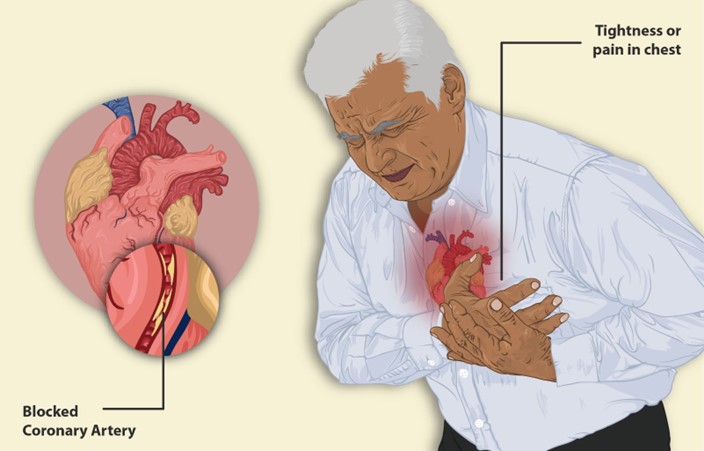
A nurse is providing teaching for a client who has a new diagnosis of angina pectoris. Which of the following information should the nurse include about anginal pain?
A. The pain usually lasts longer than 20 min.
Reason: This is incorrect. Anginal pain usually lasts less than 20 min and subsides with rest or medication. Pain that lasts longer than 20 min may indicate a myocardial infarction.
B. The pain persists with rest and organic nitrates.
Reason: This is incorrect. Anginal pain usually responds to rest and organic nitrates, such as nitroglycerin. Pain that does not improve with these measures may indicate unstable angina or a myocardial infarction.
C. Pain can often be relieved by sitting up.
Reason: This is incorrect. Anginal pain is not affected by the position of the client. Pain that is relieved by sitting up may indicate pericarditis or pleurisy.
D. Exertion and anxiety can trigger the pain.
Reason: This is correct. Anginal pain is caused by a temporary imbalance between the oxygen demand and supply of the myocardium. Factors that increase the oxygen demand, such as exertion, anxiety, cold, or heavy meals, can trigger anginal pain.
Full Explanation
Choice A Reason: This is incorrect. Anginal pain usually lasts less than 20 min and subsides with rest or medication. Pain that lasts longer than 20 min may indicate a myocardial infarction.
Choice B Reason: This is incorrect. Anginal pain usually responds to rest and organic nitrates, such as nitroglycerin. Pain that does not improve with these measures may indicate unstable angina or a myocardial infarction.
Choice C Reason: This is incorrect. Anginal pain is not affected by the position of the client. Pain that is relieved by sitting up may indicate pericarditis or pleurisy.
Choice D Reason: This is correct. Anginal pain is caused by a temporary imbalance between the oxygen demand and supply of the myocardium. Factors that increase the oxygen demand, such as exertion, anxiety, cold, or heavy meals, can trigger anginal pain.
A nurse in an urgent care center is assessing a client who reports a sudden onset of irregular palpitations, fatigue, and dizziness. The nurse finds a rapid and irregular heart rate with a significant pulse deficit. Which of the following dysrhythmias should the nurse expect to find on the ECG?
A. Sinus bradycardia
Reason: This is incorrect. Sinus bradycardia is a slow and regular heart rate that originates from the sinus node. It does not cause irregular palpitations, fatigue, or dizziness, unless the heart rate is very low or the client has underlying cardiac disease.
B. Sinus tachycardia
reason: This is incorrect. Sinus tachycardia is a fast and regular heart rate that originates from the sinus node. It may cause fatigue or dizziness, but not irregular palpitations or pulse deficit.
C. Atrial fibrillation
Reason: This is correct. Atrial fibrillation is a fast and irregular heart rate that originates from multiple foci in the atria. It causes irregular palpitations, fatigue, dizziness, and pulse deficit due to ineffective atrial contractions and variable ventricular response.
D. First-degree AV block
Reason: This is incorrect. First-degree AV block is a delay in the conduction of impulses from the atria to the ventricles. It does not affect the heart rate or rhythm, and does not cause any symptoms.
Full Explanation
Choice A Reason: This is incorrect. Sinus bradycardia is a slow and regular heart rate that originates from the sinus node. It does not cause irregular palpitations, fatigue, or dizziness, unless the heart rate is very low or the client has underlying cardiac disease.
Choice B reason: This is incorrect. Sinus tachycardia is a fast and regular heart rate that originates from the sinus node. It may cause fatigue or dizziness, but not irregular palpitations or pulse deficit.
Choice C Reason: This is correct. Atrial fibrillation is a fast and irregular heart rate that originates from multiple foci in the atria. It causes irregular palpitations, fatigue, dizziness, and pulse deficit due to ineffective atrial contractions and variable ventricular response.
Choice D Reason: This is incorrect. First-degree AV block is a delay in the conduction of impulses from the atria to the ventricles. It does not affect the heart rate or rhythm, and does not cause any symptoms.
A nurse is caring for a client who has expressive aphasia following a cerebrovascular accident (CVA). Which of the following parameters should the nurse use first in order to assess the client’s pain level?
A. Pulse and blood pressure findings
Reason: This is incorrect. Pulse and blood pressure findings are not reliable indicators of pain, as they can be influenced by many other factors, such as anxiety, medication, or underlying conditions. They are also not sensitive enough to detect changes in pain intensity or relief.
B. Scheduled treatments and client illness
Reason: This is incorrect. Scheduled treatments and client illness are not relevant parameters for assessing pain, as they do not reflect the current pain experience of the client. They may provide some clues about the possible causes or sources of pain, but they do not measure the pain itself.
C. A self-report pain rating scale
Reason: This is correct. A self-report pain rating scale is the most valid and reliable parameter for assessing pain, as it reflects the subjective perception of the client. The nurse should use a simple and appropriate scale, such as a numeric or visual analog scale, and ask the client to point to the number or picture that best represents their pain level.
D. Behavioral indicators and affect
Reason: This is incorrect. Behavioral indicators and affect are useful parameters for assessing pain, especially when the client has difficulty communicating verbally, but they are not the first choice. They are more subjective and variable than self-report, and they may be influenced by cultural or personal factors. They should be used in conjunction with self-report, not instead of it.
Full Explanation
Choice A Reason: This is incorrect. Pulse and blood pressure findings are not reliable indicators of pain, as they can be influenced by many other factors, such as anxiety, medication, or underlying conditions. They are also not sensitive enough to detect changes in pain intensity or relief.
Choice B Reason: This is incorrect. Scheduled treatments and client illness are not relevant parameters for assessing pain, as they do not reflect the current pain experience of the client. They may provide some clues about the possible causes or sources of pain, but they do not measure the pain itself.
Choice C Reason: This is correct. A self-report pain rating scale is the most valid and reliable parameter for assessing pain, as it reflects the subjective perception of the client. The nurse should use a simple and appropriate scale, such as a numeric or visual analog scale, and ask the client to point to the number or picture that best represents their pain level.
Choice D Reason: This is incorrect. Behavioral indicators and affect are useful parameters for assessing pain, especially when the client has difficulty communicating verbally, but they are not the first choice. They are more subjective and variable than self-report, and they may be influenced by cultural or personal factors. They should be used in conjunction with self-report, not instead of it.