
Nursing practice questions with comprehensive rationales
NurseDive Free Nursing Practice Question
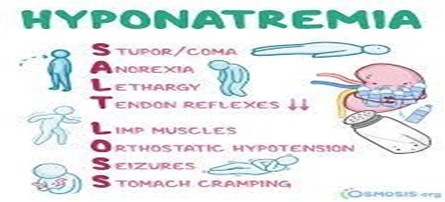
A nurse in the emergency department is assessing a young adult client who was administered a hypotonic IV fluid bolus for rehydration after collapsing at an athletic event. Which of the following findings indicates the client is experiencing water intoxication?
A. Weak pulses
Weak pulses are not a specific finding for water intoxication, as they can be caused by other factors such as decreased blood volume or inadequate cardiac output.
B. Hypernatremia
Hypernatremia is the opposite of hyponatremia, meaning high sodium levels in the blood. This can occur due to dehydration, excessive salt intake, or certain medical conditions, but not water intoxication.
C. Muscle weakness
Muscle weakness is a finding that indicates the client is experiencing water intoxication. Muscle weakness is a symptom of water intoxication because the excessive intake of water dilutes the sodium levels in the blood, causing hyponatremia. Sodium is an electrolyte that helps maintain the balance of fluids in and around cells and also regulates muscle contraction. When sodium levels are too low, the cells swell and the muscles lose their ability to function properly.
D. Exaggerated reflexes
Exaggerated reflexes are not typically associated with water intoxication. They may be seen in conditions such as hyperreflexia or certain neurological disorders.
This question is an excerpt from Nurse Dive's nursing test bank - ATI RN Nutrition 2019 Proctored Exam. Take the full exam now
Full Explanation
Muscle weakness is a finding that indicates the client is experiencing water intoxication. Muscle weakness is a symptom of water intoxication because the excessive intake of water dilutes the sodium levels in the blood, causing hyponatremia. Sodium is an electrolyte that helps maintain the balance of fluids in and around cells and also regulates muscle contraction. When sodium levels are too low, the cells swell and the muscles lose their ability to function properly.
Weak pulses are not a specific finding for water intoxication, as they can be caused by other factors such as decreased blood volume or inadequate cardiac output.
Hypernatremia is the opposite of hyponatremia, meaning high sodium levels in the blood. This can occur due to dehydration, excessive salt intake, or certain medical conditions, but not water intoxication.
Exaggerated reflexes are not typically associated with water intoxication. They may be seen in conditions such as hyperreflexia or certain neurological disorders.
Similar Questions
A nurse is evaluating a client's laboratory results. The nurse should recognize that which of the following results places the client at risk for coronary heart disease?
A. HbA1c 5%
HbA1c 5%: HbA1c is a measure of average blood glucose levels over the past 2-3 months. A level of 5% is within the target range for individuals without diabetes and indicates good glycemic control. It does not place the client at risk for CHD.
B. Fasting glucose 140 mg/dL
Coronary heart disease (CHD) is a condition characterized by the buildup of plaque in the coronary arteries, leading to reduced blood flow to the heart. Several risk factors contribute to the development of CHD, including high blood glucose levels, high levels of low-density lipoprotein (LDL) cholesterol, and high total cholesterol levels.
C. LDL 64 mg/dL
LDL 64 mg/dL: LDL cholesterol is often referred to as "bad" cholesterol, as elevated levels are associated with an increased risk of CHD. A level of 64 mg/dL is within the desirable range and does not place the client at risk for CHD.
D. Total cholesterol 173 mg/dL
Total cholesterol 173 mg/dL: Total cholesterol levels below 200 mg/dL are generally considered desirable. A level of 173 mg/dL is within the desirable range and does not place the client at risk for CHD.
Full Explanation
Coronary heart disease (CHD) is a condition characterized by the buildup of plaque in the coronary arteries, leading to reduced blood flow to the heart. Several risk factors contribute to the development of CHD, including high blood glucose levels, high levels of low-density lipoprotein (LDL) cholesterol, and high total cholesterol levels.
HbA1c 5%: HbA1c is a measure of average blood glucose levels over the past 2-3 months. A level of 5% is within the target range for individuals without diabetes and indicates good glycemic control. It does not place the client at risk for CHD.
Fasting glucose 140 mg/dL: Fasting glucose levels above 126 mg/dL are considered diagnostic criteria for diabetes mellitus. A level of 140 mg/dL indicates hyperglycemia and suggests impaired glucose metabolism, which is a risk factor for CHD.
LDL 64 mg/dL: LDL cholesterol is often referred to as "bad" cholesterol, as elevated levels are associated with an increased risk of CHD. A level of 64 mg/dL is within the desirable range and does not place the client at risk for CHD.
Total cholesterol 173 mg/dL: Total cholesterol levels below 200 mg/dL are generally considered desirable. A level of 173 mg/dL is within the desirable range and does not place the client at risk for CHD.
A nurse is providing breakfast for a client who has celiac disease. Which of the following meal items should the nurse select?
A. Rice cereal with sliced bananas
Rice cereal with sliced bananas: This is a suitable choice as long as the rice cereal is gluten-free and there is no cross-contamination with gluten-containing ingredients. Rice is naturally gluten-free, and fresh fruits like bananas are safe for individuals with celiac disease.
B. Rye toast with herbal tea
Rye toast with herbal tea: Rye is a gluten-containing grain, so rye toast is not suitable for someone with celiac disease. Herbal tea is typically gluten-free, but the toast is not appropriate.
C. Poached eggs with wheat bagel
Poached eggs with wheat bagel: Wheat is a gluten-containing grain, so a wheat bagel is not appropriate for someone with celiac disease. It is essential for individuals with celiac disease to carefully read food labels and select gluten-free options.
D. Graham crackers with peanut butter
Graham crackers with peanut butter: Graham crackers are usually made with wheat flour, which contains gluten. Therefore, they are not suitable for someone with celiac disease.
Full Explanation
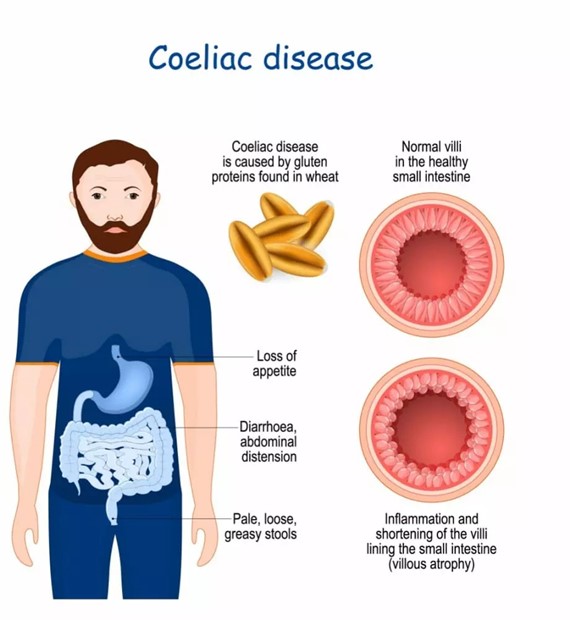
Celiac disease is an autoimmune disorder in which the ingestion of gluten, a protein found in wheat, rye, and barley, triggers an immune response and causes damage to the small intestine. Therefore, individuals with celiac disease need to follow a strict gluten-free diet.
Rice cereal with sliced bananas: This is a suitable choice as long as the rice cereal is gluten-free and there is no cross-contamination with gluten-containing ingredients. Rice is
naturally gluten-free, and fresh fruits like bananas are safe for individuals with celiac disease.
Rye toast with herbal tea: Rye is a gluten-containing grain, so rye toast is not suitable for someone with celiac disease. Herbal tea is typically gluten-free, but the toast is not appropriate.
Graham crackers with peanut butter: Graham crackers are usually made with wheat flour, which contains gluten. Therefore, they are not suitable for someone with celiac disease.
Poached eggs with wheat bagel: Wheat is a gluten-containing grain, so a wheat bagel is not appropriate for someone with celiac disease.
It is essential for individuals with celiac disease to carefully read food labels and select gluten-free options.
A nurse is reviewing a client's laboratory results for effectiveness of total parenteral nutrition (TPN). Which of the following laboratory values is the best indicator for the nurse to monitor for short-term effectiveness of the TPN?
A. Hemoglobin
Hemoglobin: Hemoglobin is a measure of the oxygen-carrying capacity of red blood cells and is typically used to assess anemia. While hemoglobin can be affected by nutritional status, it is not a specific marker for the short-term effectiveness of TPN.
B. Total albumin
Total albumin: Total albumin is a measure of protein status and can be affected by various factors, including inflammation and liver disease. However, it has a longer half-life and slower response to nutritional changes, so it may not be the best indicator for short-term effectiveness.
C. Transferrin
Transferrin: Transferrin is a protein involved in iron transport and can be used as an indicator of iron status. However, it may not reflect short-term changes in nutritional status and is not specific to TPN effectiveness. Monitoring prealbumin levels can help determine the short-term effectiveness of TPN and guide adjustments to the nutritional plan.
D. Prealbumin
Prealbumin (also known as transthyretin): Prealbumin is a protein synthesized in the liver and has a shorter half-life compared to albumin. It is considered a more sensitive marker for short-term nutritional changes and can reflect the effectiveness of TPN within a few days. Prealbumin levels can indicate the response to nutritional interventions and provide a more immediate assessment of nutritional adequacy.
Full Explanation
Prealbumin (also known as transthyretin): Prealbumin is a protein synthesized in the liver and has a shorter half-life compared to albumin. It is considered a more sensitive marker for
short-term nutritional changes and can reflect the effectiveness of TPN within a few days.
Prealbumin levels can indicate the response to nutritional interventions and provide a more immediate assessment of nutritional adequacy.
Hemoglobin: Hemoglobin is a measure of the oxygen-carrying capacity of red blood cells and is typically used to assess anemia. While hemoglobin can be affected by nutritional status, it is not a specific marker for the short-term effectiveness of TPN.
Total albumin: Total albumin is a measure of protein status and can be affected by various factors, including inflammation and liver disease. However, it has a longer half-life and slower response to nutritional changes, so it may not be the best indicator for short-term effectiveness.
Transferrin: Transferrin is a protein involved in iron transport and can be used as an indicator of iron status. However, it may not reflect short-term changes in nutritional status and is not specific to TPN effectiveness.
Monitoring prealbumin levels can help determine the short-term effectiveness of TPN and guide adjustments to the nutritional plan.