
Nursing practice questions with comprehensive rationales
NurseDive Free Nursing Practice Question
A nurse in the newborn nursery is caring for a group of newborns. Which of the following newborns requires immediate intervention?
A. A newborn who is 18 hr post-delivery and has acrocyanosis
Acrocyanosis is a normal finding in newborns and does not require immediate intervention.
B. A newborn who is 24-hr post-delivery and has not passed meconium
Not passing meconium within the first 24 hours is not uncommon and may be normal.
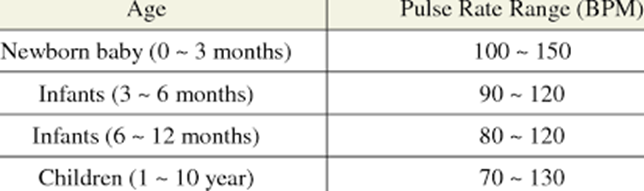
C. A newborn who is 24 hr post-delivery and has persistent tachycardia with a heart rate of 180 bpm
Persistent tachycardia in a newborn, especially with a heart rate of 180 bpm, requires immediate intervention as it may indicate a cardiac or other medical issue.
D. A newborn who is 24 hr post-delivery and has not voided
Not voiding within the first 24 hours may be normal, but it should be monitored.
This question is an excerpt from Nurse Dive's nursing test bank - Ati Maternal Newborn Proctored Exam 3 Reno 2 2020. Take the full exam now
Full Explanation
A. Acrocyanosis is a normal finding in newborns and does not require immediate intervention.
B. Not passing meconium within the first 24 hours is not uncommon and may be normal.
C. Persistent tachycardia in a newborn, especially with a heart rate of 180 bpm, requires immediate intervention as it may indicate a cardiac or other medical issue.
D. Not voiding within the first 24 hours may be normal, but it should be monitored.
Similar Questions
A nurse is teaching a new mother the best method to store milk and use it later for feeding. She explains that the breast milk should never be thawed or heated in a microwave oven because of the following reasons. Please select all that apply
A. Microwaving decreases vitamin C content
Microwaving breast milk decreases vitamin C content.
B. Microwaving renders the milk tasteless
Microwaving does not render the milk tasteless, but it may alter the taste slightly.
C. Microwaving does not heat the milk evenly
Microwaving does not heat breast milk evenly, creating hot spots that can burn the baby's mouth.
D. Microwaving decreases antiinfective properties
Microwaving can decrease the antiinfective properties of breast milk.
E. Microwaving decreases the iron content in the milk
Microwaving breast milk does not decrease iron content.
Full Explanation
A. Microwaving breast milk decreases vitamin C content.
B. Microwaving does not render the milk tasteless, but it may alter the taste slightly.
C. Microwaving does not heat breast milk evenly, creating hot spots that can burn the baby's mouth.
D. Microwaving can decrease the antiinfective properties of breast milk.
E. Microwaving breast milk does not decrease iron content.
A nurse is caring for a client who is 12 hr postpartum. Which of the following findings should alert the nurse to the possibility of a postpartum complication?
A. Breasts soft and non-tender
Soft and non-tender breasts are a normal finding in the early postpartum period.
B. Urine output of 3,000 mL in 12 hr
A urine output of 3,000 mL in 12 hours is within the normal range.
C. Fundus palpable at the umbilicus
A fundus palpable at the umbilicus may be normal within the first few hours after childbirth.
D. Heart rate 128/min
A heart rate of 128/min may indicate a postpartum complication, such as hemorrhage or infection, and requires further assessment.
Full Explanation
A. Soft and non-tender breasts are a normal finding in the early postpartum period.
B. A urine output of 3,000 mL in 12 hours is within the normal range.
C. A fundus palpable at the umbilicus may be normal within the first few hours after childbirth.
D. A heart rate of 128/min may indicate a postpartum complication, such as hemorrhage or infection, and requires further assessment.
A nurse is caring for a client who is 2 hr postpartum following a vaginal birth. Which of the following findings indicates the client's bladder is distended?
A. Fundus palpable to right of midline
A fundus palpable to the right of midline may indicate a distended bladder pushing the uterus to the side, and it requires intervention to promote bladder emptying.
B. Less than 2.5 cm of rubra lochia on perineal pad
Less than 2.5 cm of rubra lochia on a perineal pad is a normal finding in the early postpartum period.
C. Client report of increased thirst
Increased thirst is not directly indicative of bladder distention.
D. Client report of frequent uterine contractions
Frequent uterine contractions are expected in the postpartum period and do not necessarily indicate bladder distention.
Full Explanation
A. A fundus palpable to the right of midline may indicate a distended bladder pushing the uterus to the side, and it requires intervention to promote bladder emptying.
B. Less than 2.5 cm of rubra lochia on a perineal pad is a normal finding in the early postpartum period.
C. Increased thirst is not directly indicative of bladder distention.
D. Frequent uterine contractions are expected in the postpartum period and do not necessarily indicate bladder distention.