
Nursing practice questions with comprehensive rationales
NurseDive Free Nursing Practice Question
A nurse is administering a tap-water enema to a client. The client reports cramping as the nurse instills the irrigating solution. Which of the following actions should the nurse take to relieve the client's discomfort?
A. Lower the height of the solution container.
B. Stop the enema and document that the client did not tolerate the procedure.
C. Encourage the client to bear down
D. Allow the client to expel some fluid before continuing
When the client experiences cramping during the enema administration, it indicates that the colon is becoming distended. By allowing the client to expel some of the fluid, the pressure in the colon is reduced, which can help alleviate the discomfort and cramping. The nurse should pause the administration of the enema and allow the client to release some fluid before continuing. The other options mentioned are not appropriate or effective actions to relieve the client's discomfort: Lowering the height of the solution container: Lowering the height of the solution container will decrease the force of the fluid flow but may not address the underlying cause of the cramping. Allowing the client to expel some fluid is a more appropriate intervention. Stopping the enema and documenting that the client did not tolerate the procedure: While it is important to monitor the client's tolerance during the procedure, abruptly stopping the enema and documenting intolerance may not be necessary if the discomfort can be relieved by allowing the client to expel some fluid. The nurse should prioritize relieving the discomfort before deciding to stop the procedure. Encouraging the client to bear down: Bearing down or pushing can increase intra-abdominal pressure and exacerbate the cramping. This action is not recommended in this situation.
This question is an excerpt from Nurse Dive's nursing test bank - Gastro Urinary Systems Medication Proctored Exam. Take the full exam now
Full Explanation
When the client experiences cramping during the enema administration, it indicates that the colon is becoming distended. By allowing the client to expel some of the fluid, the pressure in the colon is reduced, which can help alleviate the discomfort and cramping. The nurse should pause the administration of the enema and allow the client to release some fluid before continuing.
The other options mentioned are not appropriate or effective actions to relieve the client's discomfort:
Lowering the height of the solution container: Lowering the height of the solution container will decrease the force of the fluid flow but may not address the underlying cause of the cramping. Allowing the client to expel some fluid is a more appropriate intervention.
Stopping the enema and documenting that the client did not tolerate the procedure: While it is important to monitor the client's tolerance during the procedure, abruptly stopping the enema and documenting intolerance may not be necessary if the discomfort can be relieved by allowing the client to expel some fluid. The nurse should prioritize relieving the discomfort before deciding to stop the procedure.
Encouraging the client to bear down: Bearing down or pushing can increase intra-abdominal pressure and exacerbate the cramping. This action is not recommended in this situation.
Similar Questions
A nurse is reinforcing teaching about cimetidine with a client who has peptic ulcer disease. Which of the following information should the nurse include in the teaching?
A. Expect breast tenderness while taking this medication,
B. Wait at least 1 hr after taking the medication before taking an antacid
When reinforcing teaching about cimetidine with a client who has peptic ulcer disease, the nurse should include the following information: "Wait at least 1 hour after taking the medication before taking an antacid.": Cimetidine is a histamine-2 receptor antagonist that reduces stomach acid production. Taking an antacid too close in time to cimetidine may decrease its effectiveness as antacids can interfere with its absorption. The nurse should advise the client to follow the healthcare provider's instructions regarding the timing and administration of cimetidine and antacids. The following statements are incorrect or not applicable: "Expect breast tenderness while taking this medication.": Breast tenderness is not a common side effect of cimetidine. If the client experiences any unusual symptoms or side effects while taking the medication, they should consult their healthcare provider for further evaluation. "Take this medication on an empty stomach.": To reduce stomach upset, this medication should be taken with food or milk "Take ibuprofen for occasional aches and pains.": Ibuprofen is a nonsteroidal anti-inflammatory drug (NSAID) that can increase the risk of gastrointestinal complications, including ulcers. In individuals with peptic ulcer disease, it is generally recommended to avoid NSAIDs unless specifically prescribed by a healthcare provider. The nurse should emphasize the importance of discussing any pain management strategies or medications with the healthcare provider before use.
C. Take ibuprofen for occasional aches and pains
D. Take this medication on an empty stomach
Full Explanation
When reinforcing teaching about cimetidine with a client who has peptic ulcer disease, the nurse should include the following information:
"Wait at least 1 hour after taking the medication before taking an antacid.": Cimetidine is a histamine-2 receptor antagonist that reduces stomach acid production. Taking an antacid too close in time to cimetidine may decrease its effectiveness as antacids can interfere with its absorption. The nurse should advise the client to follow the healthcare provider's instructions regarding the timing and administration of cimetidine and antacids.
The following statements are incorrect or not applicable:
"Expect breast tenderness while taking this medication.": Breast tenderness is not a common side effect of cimetidine. If the client experiences any unusual symptoms or side effects while taking the medication, they should consult their healthcare provider for further evaluation.
"Take this medication on an empty stomach.": To reduce stomach upset, this medication should be taken with food or milk
"Take ibuprofen for occasional aches and pains.": Ibuprofen is a nonsteroidal anti-inflammatory drug (NSAID) that can increase the risk of gastrointestinal complications, including ulcers. In individuals with peptic ulcer disease, it is generally recommended to avoid NSAIDs unless specifically prescribed by a healthcare provider. The nurse should emphasize the importance of discussing any pain management strategies or medications with the healthcare provider before use.
A nurse is reviewing the medical record of a client who has a peptic ulcer. Which of the following findings should the nurse identify as a risk factor for this condition?
A. History of bulimia
B. Consumes spicy foods 5 to 8 times weekly
C. History of ibuprofen use
Ibuprofen is a nonsteroidal anti-inflammatory drug (NSAID) that can increase the risk of developing peptic ulcers. It can cause irritation and damage to the lining of the stomach and small intestine, leading to the formation of ulcers. The other options may not directly contribute to the development of peptic ulcers: History of bulimia: While repeated vomiting can irritate the esophagus, it is less likely to directly cause peptic ulcers. Consuming spicy foods 5 to 8 times weekly: Spicy foods can exacerbate the symptoms of existing peptic ulcers, but they are not considered a direct risk factor for their development. Drinking green tea: Green tea is generally considered to have health benefits and is not known to be a risk factor for peptic ulcers.
D. Drinks green tea
Full Explanation
Ibuprofen is a nonsteroidal anti-inflammatory drug (NSAID) that can increase the risk of developing peptic ulcers. It can cause irritation and damage to the lining of the stomach and small intestine, leading to the formation of ulcers.
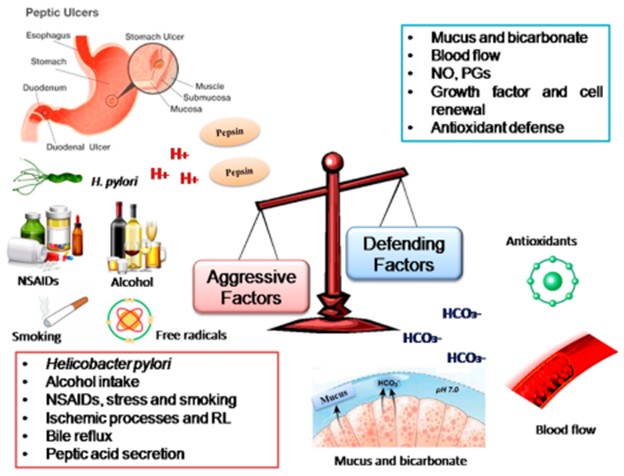
The other options may not directly contribute to the development of peptic ulcers:
History of bulimia: While repeated vomiting can irritate the esophagus, it is less likely to directly cause peptic ulcers.
Consuming spicy foods 5 to 8 times weekly: Spicy foods can exacerbate the symptoms of existing peptic ulcers, but they are not considered a direct risk factor for their development.
Drinking green tea: Green tea is generally considered to have health benefits and is not known to be a risk factor for peptic ulcers.
A nurse is obtaining a urine specimen for culture and sensitivity via a straight catheterization. Which of the following actions should the nurse take?
A. Use sterile water to inflate the balloon.
B. Instruct the client to clean from front to back with an antiseptic solution.
C. Collect urine from the catheter's port.
D. Use a sterile specimen container.
When collecting a urine specimen via straight catheterization, it is important to use a sterile specimen container to maintain the integrity of the sample and prevent contamination. Using a non-sterile container can introduce bacteria and affect the accuracy of the culture and sensitivity results. The other options mentioned are incorrect: Using sterile water to inflate the balloon: This action is relevant when inflating the balloon of an indwelling urinary catheter, but in a straight catheterization, there is no balloon involved. Instructing the client to clean from front to back with an antiseptic solution: This instruction is appropriate for cleaning the urethral meatus before inserting an indwelling urinary catheter, but in a straight catheterization, the nurse performs the procedure using sterile technique and does not require the client to clean themselves. Collecting urine from the catheter's port: In a straight catheterization, the nurse collects urine directly from the catheter tube using a sterile syringe or collection container, rather than from a separate port.
Full Explanation
When collecting a urine specimen via straight catheterization, it is important to use a sterile specimen container to maintain the integrity of the sample and prevent contamination. Using a non-sterile container can introduce bacteria and affect the accuracy of the culture and sensitivity results.
The other options mentioned are incorrect:
Using sterile water to inflate the balloon: This action is relevant when inflating the balloon of an indwelling urinary catheter, but in a straight catheterization, there is no balloon involved.
Instructing the client to clean from front to back with an antiseptic solution: This instruction is appropriate for cleaning the urethral meatus before inserting an indwelling urinary catheter, but in a straight catheterization, the nurse performs the procedure using sterile technique and does not require the client to clean themselves.
Collecting urine from the catheter's port: In a straight catheterization, the nurse collects urine directly from the catheter tube using a sterile syringe or collection container, rather than from a separate port.