
Nursing practice questions with comprehensive rationales
NurseDive Free Nursing Practice Question
A nurse is administering furosemide 80 mg PO twice daily to a client who has pulmonary edema.
Which of the following assessment findings indicates to the nurse that the medication is effective?
A. Adventitious breath sounds.
Choice A is incorrect because adventitious breath sounds are a symptom of pulmonary edema, not an indication that the medication is effective.
B. Elevation in blood pressure.
Choice B is incorrect because furosemide has direct vasodilatory outcomes 2, which would decrease blood pressure, not elevate it.
C. Weight loss of.8 kg (4 Ib) in the past 24 hr.
“Weight loss of.8 kg (4 Ib) in the past 24 hr.” Furosemide is a diuretic that decreases the pressure caused by excess fluid in the heart and lungs. A weight loss of.8 kg (4 Ib) in the past 24 hr indicates that excess fluid is being removed from the body, which is a sign that the medication is effective.
D. Respiratory rate of 24/min.
Choice D is incorrect because there is no information found to support this statement.
This question is an excerpt from Nurse Dive's nursing test bank - ATI Adult Medical Surgical 2019 Proctored Exam. Take the full exam now
Full Explanation
“Weight loss of.8 kg (4 Ib) in the past 24 hr.” Furosemide is a diuretic that decreases the pressure caused by excess fluid in the heart and lungs.
A weight loss of.8 kg (4 Ib) in the past 24 hr indicates that excess fluid is being removed from the body, which is a sign that the medication is effective.
Choice A is incorrect because adventitious breath sounds are a symptom of pulmonary edema, not an indication that the medication is effective.
Choice B is incorrect because furosemide has direct vasodilatory outcomes 2, which would decrease blood pressure, not elevate it.
Choice D is incorrect because there is no information found to support this statement.
Similar Questions
A nurse is admitting a client to the emergency department after a gunshot wound to the abdomen.
Which of the following actions should the nurse take to help prevent the onset of acute kidney failure?
A. Administer IV fluids to the client.
Administering IV fluids can help maintain blood flow to the kidneys and prevent acute kidney failure.
B. Insert a urinary catheter.
Choice B is incorrect because inserting a urinary catheter does not prevent acute kidney failure.
C. Prepare the client for an intravenous pyelogram.
Choice C is incorrect because an intravenous pyelogram is a diagnostic test and does not prevent acute kidney failure.
D. Initiate beta-blocker therapy.
Choice D is incorrect because beta-blocker therapy is not used to prevent acute kidney failure.
Full Explanation
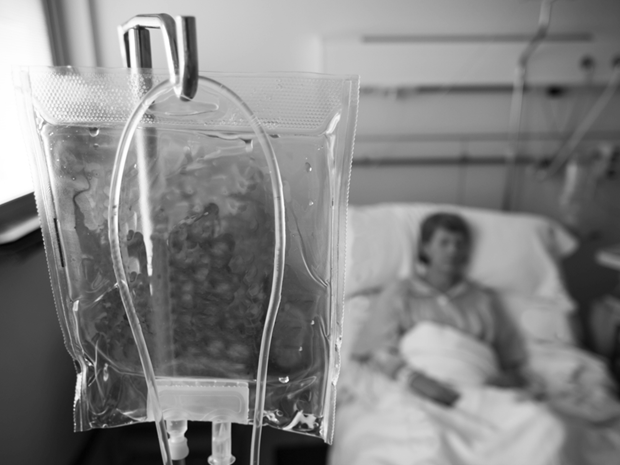
Administering IV fluids can help maintain blood flow to the kidneys and prevent acute kidney failure.
Choice B is incorrect because inserting a urinary catheter does not prevent acute kidney failure.
Choice C is incorrect because an intravenous pyelogram is a diagnostic test and does not prevent acute kidney failure.
Choice D is incorrect because beta-blocker therapy is not used to prevent acute kidney failure.
A nurse is providing teaching to a client who has a deep-vein thrombosis (DVT).
Which of the following findings should the nurse identify as a risk factor for developing DVTS?
A. Oral contraceptive use.
Oral contraceptive use is a risk factor for the development of DVTs.
B. Cirrhosis.
Choice B is incorrect because cirrhosis is not a known risk factor for DVTs.
C. Hypertension.
Choice C is incorrect because hypertension is not a known risk factor for DVTs.
D. NSAID use.
Choice D is incorrect because NSAID use is not a known risk factor for DVTs.
Full Explanation
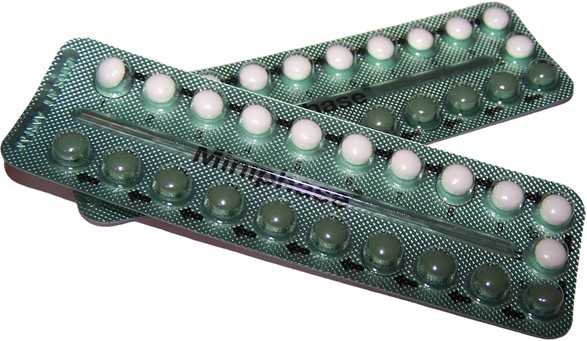
Oral contraceptive use is a risk factor for the development of DVTs.
Choice B is incorrect because cirrhosis is not a known risk factor for DVTs.
Choice C is incorrect because hypertension is not a known risk factor for DVTs.
Choice D is incorrect because NSAID use is not a known risk factor for DVTs.
A nurse on an oncology unit is caring for a client who is receiving internal radiation therapy.
Which of the following actions should the nurse take?
A. Allow visitors to hold the client's hand.
Choice A is incorrect because visitors may need to limit their contact with the client and follow specific safety precautions.
B. Place the dosimeter film badge on the client's door.
Choice B is incorrect because a dosimeter film badge is worn by the nurse to measure radiation exposure, not placed on the client’s door.
C. Wear a lead apron when providing client care.
Wearing a lead apron can help protect the nurse from radiation exposure while providing care to a client receiving internal radiation therapy.
D. Leave the door to the client's room open.
Choice D is incorrect because the door to the client’s room may need to be kept closed as a safety precaution 2.
Full Explanation
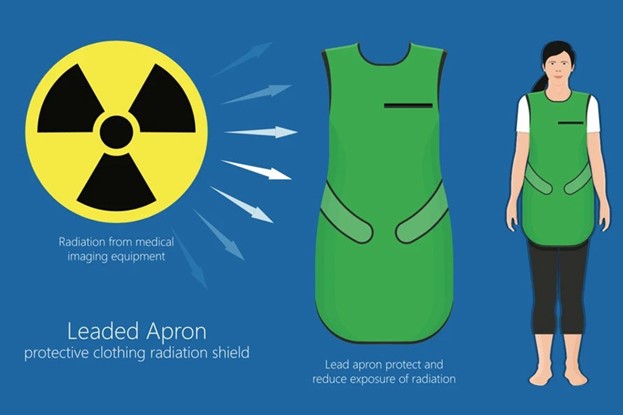
Wearing a lead apron can help protect the nurse from radiation exposure while providing care to a client receiving internal radiation therapy.
Choice A is incorrect because visitors may need to limit their contact with the client and follow specific safety precautions.
Choice B is incorrect because a dosimeter film badge is worn by the nurse to measure radiation exposure, not placed on the client’s door.
Choice D is incorrect because the door to the client’s room may need to be kept closed as a safety precaution 2.