Nursing practice questions with comprehensive rationales
NurseDive Free Nursing Practice Question
A nurse is administering oral medication to an older adult client. The client states, "The pill I always take is green. I don't take an orange pill." Which of the following responses should the nurse make?
A. "Let me check your medication order again."
When a client expresses confusion or uncertainty about their medication, the nurse should always verify the medication order to ensure that the correct medication is being administered. Option (a) is the best response in this scenario because it addresses the client's concern and ensures the medication being given is the correct one.
B. "This is the medication that your doctor wants you to take."
Option b stating that "this is the medication that your doctor wants you to take" does not address the client's concern and may cause the client to feel dismissed.
C. "Let me explain the purpose of the medication."
Option c suggests "let me explain the purpose of the medication" is not necessary at this time since the client is already aware of the purpose and is only concerned about the color of the pill.
D. "Sometimes the same pill comes in a different colour."
Option d stating that "sometimes the same pill comes in a different colour" is not appropriate because it does not address the issue of the client's confusion about the current pill being administered.
This question is an excerpt from Nurse Dive's nursing test bank - ATI Custom Pharmacology Proctored Exam 2. Take the full exam now
Full Explanation
When a client expresses confusion or uncertainty about their medication, the nurse should always verify the medication order to ensure that the correct medication is being administered. Option (a) is the best response in this scenario because it addresses the client's concern and ensures the medication being given is the correct one.
Option (b) stating that "this is the medication that your doctor wants you to take" does not address the
client's concern and may cause the client to feel dismissed.
Option (c) suggesting to "let me explain the purpose of the medication" is not necessary at this time since
the client is already aware of the purpose and is only concerned about the colour of the pill.
Option (d) stating that "sometimes the same pill comes in a different colour" is not appropriate because it does not address the issue of the client's confusion about the current pill being administered.
Similar Questions
A nurse is caring for a client who is receiving mydriatic eye drops. Which of the following manifestations indicate to the nurse that the client has developed a systemic anticholinergic effect?
A. Hypothermia
B. Bradycardia
C. Seizures
D. Constipation
Mydriatic eye drops can cause systemic anticholinergic effects 1. Anticholinergic drugs block the action of acetylcholine, a neurotransmitter that transfers signals between cells to affect how your body functions 2. This can lead to side effects such as decreased digestion 2, which can result in constipation.
Full Explanation
Mydriatic eye drops can cause systemic anticholinergic effects 1. Anticholinergic drugs block the action of acetylcholine, a neurotransmitter that transfers signals between cells to affect how your body functions 2. This can lead to side effects such as decreased digestion 2, which can result in constipation.

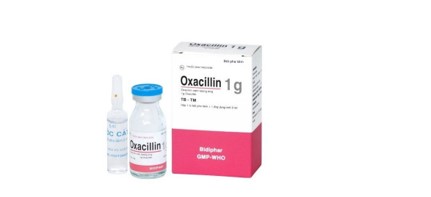
A nurse is assessing a client who is taking oxacillin to treat an infection. The nurse should recognize which of the following findings is a manifestation of an allergic reaction?
A. Fever
B. Pruritus
An allergic reaction can occur in response to medication, and oxacillin is known to have the potential for causing allergic reactions. Symptoms of an allergic reaction may include rash, hives, itching, swelling, difficulty breathing, and anaphylaxis. Fever, amber urine, and diarrhoea are not typically associated with an allergic reaction to oxacillin. Therefore, the nurse should monitor the client for any signs of an allergic reaction, particularly pruritus or itching, and report them to the healthcare provider promptly.
C. Amber urine
D. Diarrhea
Full Explanation
An allergic reaction can occur in response to medication, and oxacillin is known to have the potential for causing allergic reactions. Symptoms of an allergic reaction may include rash, hives, itching, swelling, difficulty breathing, and anaphylaxis. Fever, amber urine, and diarrhoea are not typically associated with an allergic reaction to oxacillin.
Therefore, the nurse should monitor the client for any signs of an allergic reaction, particularly pruritus or itching, and report them to the healthcare provider promptly.
A nurse is caring for a client who has a fungal infection and is given a new prescription for amphotericin B. Which of the following laboratory values should the nurse report to the provider before initiating the medication?
A. Potassium 5.0 mEq/L (3.5-5.0)
B. Glucose 120 mg/dL (70-110)
C. Sodium 140 mEq/L (135-145)
D. BUN 55 mg/dL (6-24)
BUN stands for Blood Urea Nitrogen, and it is a laboratory test that measures the amount of nitrogen in the blood that comes from urea, which is a waste product of protein metabolism. Elevated BUN levels indicate impaired kidney function. Amphotericin B is known to be potentially nephrotoxic, which means that it can cause damage to the kidneys. Therefore, the nurse should report an elevated BUN level to the provider before initiating the medication to ensure the safety of the client. Potassium, glucose, and sodium levels are within normal range and do not require intervention in this scenario.
Full Explanation
BUN stands for Blood Urea Nitrogen, and it is a laboratory test that measures the amount of nitrogen in the blood that comes from urea, which is a waste product of protein metabolism. Elevated BUN levels indicate impaired kidney function. Amphotericin B is known to be potentially nephrotoxic, which means that it can cause damage to the kidneys. Therefore, the nurse should report an elevated BUN level to the provider before initiating the medication to ensure the safety of the client. Potassium, glucose, and sodium levels are within normal range and do not require intervention in this scenario.