
Nursing practice questions with comprehensive rationales
NurseDive Free Nursing Practice Question
A nurse is admitting a client who reports tightness in their chest that radiates to left arm.
The nurse is reviewing the client's medical record. Select the four findings that require immediate follow-up.
A. Blood glucose level
The client’s blood glucose in this scenario is within the normal range.
B. Bowel sounds
The bowel sounds in this scenario are present in all the 4 quadrants which is normal.
C. Blood pressure
The client's blood pressure is elevated at 164/80 mm Hg. Hypertension can exacerbate cardiac ischemia and increase the risk of complications. Therefore, monitoring and potential management of blood pressure are warranted.
D. Pain level
The client's blood pressure is elevated at 164/80 mm Hg. Hypertension can exacerbate cardiac ischemia and increase the risk of complications. Therefore, monitoring and potential management of blood pressure are warranted.
E. Electrocardiogram findings
The client's blood pressure is elevated at 164/80 mm Hg. Hypertension can exacerbate cardiac ischemia and increase the risk of complications. Therefore, monitoring and potential management of blood pressure are warranted.
F. Lung sounds
The lungs are clear on auscultation of all the lobes which is normal.
G. Troponin T level
The client's blood pressure is elevated at 164/80 mm Hg. Hypertension can exacerbate cardiac ischemia and increase the risk of complications. Therefore, monitoring and potential management of blood pressure are warranted.
This question is an excerpt from Nurse Dive's nursing test bank - Ati Rn Adult Med Surg 2023 Proctored Exam. Take the full exam now
Full Explanation
A) The client’s blood glucose in this scenario is within the normal range.
B) The bowel sounds in this scenario are present in all the 4 quadrants which is normal.
C) The client's blood pressure is elevated at 164/80 mm Hg. Hypertension can exacerbate cardiac ischemia and increase the risk of complications. Therefore, monitoring and potential management of blood pressure are warranted.
D) The client's blood pressure is elevated at 164/80 mm Hg. Hypertension can exacerbate cardiac ischemia and increase the risk of complications. Therefore, monitoring and potential management of blood pressure are warranted.
E) The client's blood pressure is elevated at 164/80 mm Hg. Hypertension can exacerbate cardiac ischemia and increase the risk of complications. Therefore, monitoring and potential management of blood pressure are warranted.
F) The lungs are clear on auscultation of all the lobes which is normal.
G) The client's blood pressure is elevated at 164/80 mm Hg. Hypertension can exacerbate cardiac ischemia and increase the risk of complications. Therefore, monitoring and potential management of blood pressure are warranted.
Similar Questions
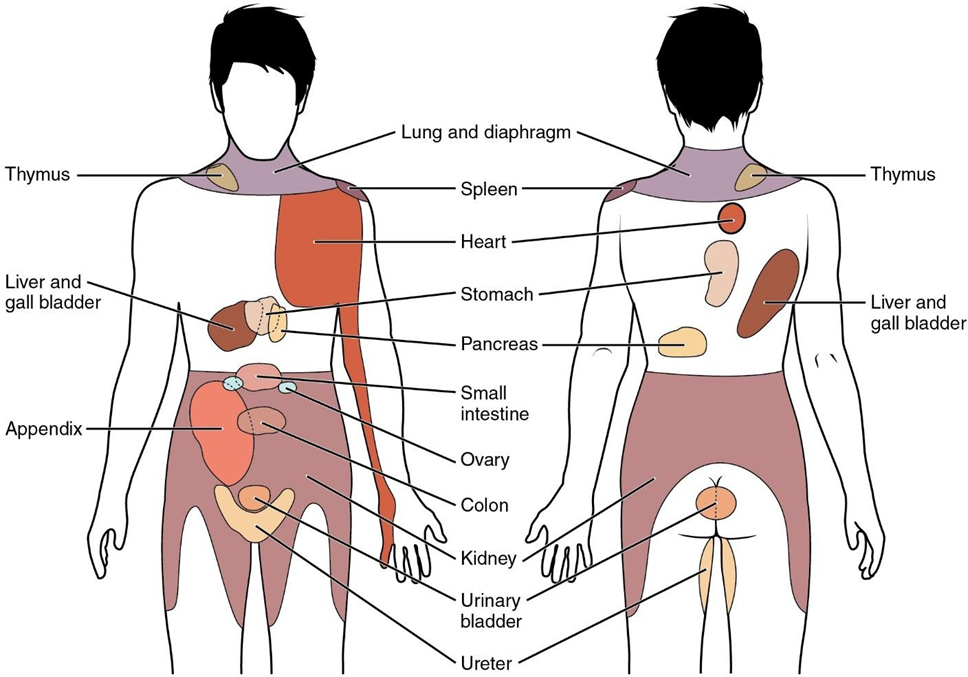
A nurse is assessing the pain status of a group of clients. Which of the following findings indicates a client is experiencing referred pain?
A. A client who has peritonitis reports generalized abdominal pain.
Generalized abdominal pain reported by a client with peritonitis indicates visceral pain.
B. A client who has pancreatitis reports pain in the left shoulder.
Pain in the left shoulder reported by a client with pancreatitis is an example of referred pain, as it occurs at a site distant from the actual pathology.
C. A client who has angina reports substernal chest pain.
Substernal chest pain reported by a client with angina indicates cardiac pain, not referred pain.
D. A client who is postoperative reports incisional pain.
Incisional pain reported by a postoperative client is localized and does not indicate referred pain.
Full Explanation
A) Generalized abdominal pain reported by a client with peritonitis indicates visceral pain.
B) Pain in the left shoulder reported by a client with pancreatitis is an example of referred pain, as it occurs at a site distant from the actual pathology.
C) Substernal chest pain reported by a client with angina indicates cardiac pain, not referred pain.
D) Incisional pain reported by a postoperative client is localized and does not indicate referred pain.
A nurse is caring for a client who is 3 hr postoperative following a total knee arthroplasty. Which of the following actions should the nurse take to prevent venous thromboembolism?
A. Keep the client's knees in a flexed position while they are in bed.
Keeping the client's knees in a flexed position, is incorrect because prolonged immobility and knee flexion can increase the risk of VTE by impeding venous return.
B. Massage the client's legs every 4 hr while they are awake.
Massaging the client's legs, is not recommended as it may dislodge a potential clot that has formed, leading to a thromboembolic event.
C. Encourage the client to perform circumduction of the feet.
This exercise can help promote blood circulation and prevent clot formation without exerting excessive pressure on the surgical site.
D. Limit the client's fluid intake to 2,000 mL daily.
Adequate hydration is essential for preventing blood clots; dehydration can lead to hemoconcentration and increased risk of thrombosis.
Full Explanation
A) Keeping the client's knees in a flexed position, is incorrect because prolonged immobility and knee flexion can increase the risk of VTE by impeding venous return.
B) Massaging the client's legs, is not recommended as it may dislodge a potential clot that has formed, leading to a thromboembolic event.
C) This exercise can help promote blood circulation and prevent clot formation without exerting excessive pressure on the surgical site.
D) Adequate hydration is essential for preventing blood clots; dehydration can lead to hemoconcentration and increased risk of thrombosis.
A nurse is caring for a client who has a herniated disc and is scheduled for a peripheral nerve block. The client tells the nurse. "I am afraid to have this procedure." Which of the following responses should the nurse make?
A. "After this procedure, you will feel much better."
Offering reassurance about the outcome of the procedure may not address the client's specific fears.
B. "Let's discuss your concerns about this procedure."
Encouraging the client to discuss their concerns allows the nurse to address any misconceptions or fears the client may have and provide appropriate information and support.
C. "Are you afraid of needles that will be used during the procedure?"
Assuming the client's fear is related to needles may not be accurate and may not address their specific concerns.
D. "Tell me why you are scared to have this procedure."
Asking the client to explain why they are scared is a good approach, but it may not immediately address their fears or provide the support they need.
Full Explanation
A) Offering reassurance about the outcome of the procedure may not address the client's specific fears.
B) Encouraging the client to discuss their concerns allows the nurse to address any misconceptions or fears the client may have and provide appropriate information and support.
C) Assuming the client's fear is related to needles may not be accurate and may not address their specific concerns.
D) Asking the client to explain why they are scared is a good approach, but it may not immediately address their fears or provide the support they need.