Nursing practice questions with comprehensive rationales
NurseDive Free Nursing Practice Question
A nurse is assessing a 12-month-old infant who is immediately postoperative following hernia repair surgery. Which of the following pain measurement tools should the nurse use to determine if the infant is experiencing pain?
A. FACES
FACES: The FACES pain scale is a visual analog scale commonly used with older children who can point to or select a facial expression that best represents their pain level. It may not be suitable for infants who may not have the cognitive or motor skills to use the scale effectively.
B. COMFORT
COMFORT: The COMFORT scale assesses pain in infants and young children based on behaviors such as crying, facial expressions, and body movements. It evaluates parameters such as alertness, calmness, respiratory response, physical movement, and muscle tone. The COMFORT scale is suitable for assessing pain in infants and young children, including those who are postoperative.
C. CRIES
CRIES: The CRIES scale is a neonatal pain assessment tool that evaluates crying, oxygen saturation, vital signs, expression, and sleeplessness. While it is designed for newborns and infants up to 6 months of age, it may not be as appropriate for a 12-month-old infant who is postoperative and beyond the neonatal period.
D. FLACC
FLACC: The FLACC scale assesses pain in infants and young children based on five behavioral categories: facial expression, leg movement, activity level, cry, and consolability. It is commonly used in pediatric settings and is suitable for assessing pain in infants who are postoperative.
This question is an excerpt from Nurse Dive's nursing test bank - Ati Nursing Care Of Children Proctored Exam. Take the full exam now
Full Explanation
A. FACES: The FACES pain scale is a visual analog scale commonly used with older children who can point to or select a facial expression that best represents their pain level. It may not be suitable for infants who may not have the cognitive or motor skills to use the scale effectively.
B. COMFORT: The COMFORT scale assesses pain in infants and young children based on behaviors such as crying, facial expressions, and body movements. It evaluates parameters such as alertness, calmness, respiratory response, physical movement, and muscle tone. The COMFORT scale is suitable for assessing pain in infants and young children, including those who are postoperative.
C. CRIES: The CRIES scale is a neonatal pain assessment tool that evaluates crying, oxygen saturation, vital signs, expression, and sleeplessness. While it is designed for newborns and infants up to 6 months of age, it may not be as appropriate for a 12-month-old infant who is postoperative and beyond the neonatal period.
D. FLACC: The FLACC scale assesses pain in infants and young children based on five behavioral categories: facial expression, leg movement, activity level, cry, and consolability. It is commonly used in pediatric settings and is suitable for assessing pain in infants who are postoperative.
Similar Questions
A school nurse is assessing the visual acuity of a school-age child. Which of the following findings indicate that the child should be evaluated for strabismus?
A. Visual acuity 20/30 bilaterally
Visual acuity 20/30 bilaterally: Visual acuity of 20/30 bilaterally indicates relatively good vision in both eyes, but it does not necessarily indicate strabismus. Strabismus is related to eye alignment rather than visual acuity.
B. Peripheral vision 70° downward
Peripheral vision 70° downward: Peripheral vision refers to the ability to see objects outside the direct line of vision. While changes in peripheral vision can occur in various eye conditions, such as glaucoma, it is not specific to strabismus.
C. Movement of the uncovered eye during a cover test
Movement of the uncovered eye during a cover test: This is the correct option. During a cover test, one eye is covered while the other eye fixates on an object. If the uncovered eye moves to try to align with the covered eye, it may indicate strabismus or a misalignment of the eyes.
D. Light reflects symmetrically within each pupil during a corneal light reflex test
Light reflects symmetrically within each pupil during a corneal light reflex test: A corneal light reflex test assesses the alignment of the eyes by observing the reflection of light on the corneas. While asymmetry in the corneal light reflex can indicate strabismus, the description provided in this option suggests that the light reflects symmetrically within each pupil, which is a normal finding.
Full Explanation
A. Visual acuity 20/30 bilaterally: Visual acuity of 20/30 bilaterally indicates relatively good vision in both eyes, but it does not necessarily indicate strabismus. Strabismus is related to eye alignment rather than visual acuity.
B. Peripheral vision 70° downward: Peripheral vision refers to the ability to see objects outside the direct line of vision. While changes in peripheral vision can occur in various eye conditions, such as glaucoma, it is not specific to strabismus.
C. Movement of the uncovered eye during a cover test: This is the correct option. During a cover test, one eye is covered while the other eye fixates on an object. If the uncovered eye moves to try to align with the covered eye, it may indicate strabismus or a misalignment of the eyes.
D. Light reflects symmetrically within each pupil during a corneal light reflex test: A corneal light reflex test assesses the alignment of the eyes by observing the reflection of light on the corneas. While asymmetry in the corneal light reflex can indicate strabismus, the description provided in this option suggests that the light reflects symmetrically within each pupil, which is a normal finding.
A nurse is providing teaching to an adolescent who has type 2 diabetes mellitus and a new prescription for metformin. Which of the following instructions should the nurse include in the teaching?
A. "Expect the medication to cause constipation for the first few days of therapy."
"Expect the medication to cause constipation for the first few days of therapy.": This statement is incorrect. Metformin commonly causes gastrointestinal side effects such as diarrhea, abdominal discomfort, and nausea, especially when therapy is initiated. Constipation is not typically associated with metformin use.
B. "Take the medication at the same time each day."
"Take the medication at the same time each day.": This is a correct instruction. It is important for the adolescent to take metformin at the same time each day to maintain consistent blood levels of the medication and optimize its effectiveness.
C. "This medication is used for short-term therapy until your symptoms improve."
"This medication is used for short-term therapy until your symptoms improve.": This statement is incorrect. Metformin is typically used for long-term management of type 2 diabetes mellitus to help control blood sugar levels. It is not intended for short-term therapy.
D. "Take this medication 1 hour before meals."
"Take this medication 1 hour before meals.": This statement is incorrect. While metformin can be taken with meals to reduce gastrointestinal side effects, it is not necessary to take it specifically 1 hour before meals. It can be taken with meals or shortly after meals.
Full Explanation
A. "Expect the medication to cause constipation for the first few days of therapy.": This statement is incorrect. Metformin commonly causes gastrointestinal side effects such as diarrhea, abdominal discomfort, and nausea, especially when therapy is initiated. Constipation is not typically associated with metformin use.
B. "Take the medication at the same time each day.": This is a correct instruction. It is important for the adolescent to take metformin at the same time each day to maintain consistent blood levels of the medication and optimize its effectiveness.
C. "This medication is used for short-term therapy until your symptoms improve.": This statement is incorrect. Metformin is typically used for long-term management of type 2 diabetes mellitus to help control blood sugar levels. It is not intended for short-term therapy.
D. "Take this medication 1 hour before meals.": This statement is incorrect. While metformin can be taken with meals to reduce gastrointestinal side effects, it is not necessary to take it specifically 1 hour before meals. It can be taken with meals or shortly after meals.
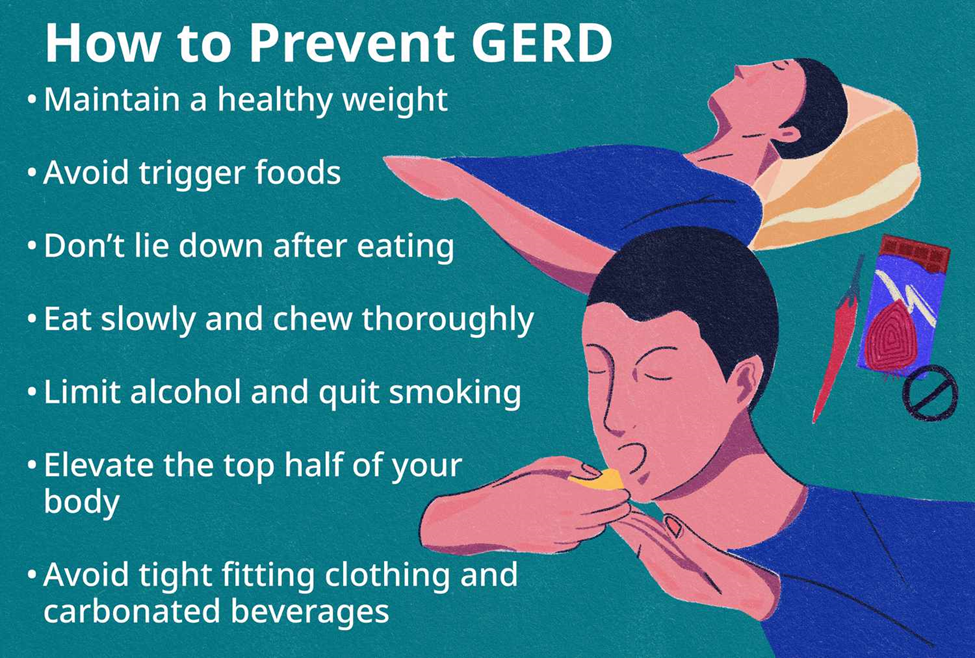
A nurse is caring for an infant who has gastroesophageal reflux (GER). Which of the following actions should the nurse take to prevent regurgitation? (Select all that apply.)
A. Thicken the infant's formula with cereal.
Thicken the infant's formula with cereal: Thickening the infant's formula with cereal can help reduce the likelihood of regurgitation by increasing its viscosity and promoting better gastric emptying. This can help decrease the frequency and severity of gastroesophageal reflux episodes.
B. Avoid giving the infant citrus juices.
Avoid giving the infant citrus juices: Citrus juices are acidic and can exacerbate gastroesophageal reflux symptoms in infants. Avoiding citrus juices can help reduce the acidity of the stomach contents, potentially decreasing the likelihood of regurgitation.
C. Position the child with their head elevated after meals.
Position the child with their head elevated after meals: Keeping the infant in an upright position with the head elevated after meals can help prevent regurgitation by reducing the likelihood of gastric contents flowing back into the esophagus. This position facilitates gravity-assisted digestion and minimizes pressure on the lower esophageal sphincter.
D. Place the infant's head on a soft pillow while sleeping.
Place the infant's head on a soft pillow while sleeping: Placing the infant's head on a soft pillow while sleeping is not recommended as it increases the risk of suffocation and sudden infant death syndrome (SIDS). Infants should always be placed on their back to sleep in a flat, firm surface without pillows or soft bedding to reduce the risk of adverse events.
E. Administer an antiemetic to the infant.
Administer an antiemetic to the infant: Administering an antiemetic to the infant is not typically indicated for the management of gastroesophageal reflux in infants, especially as a preventive measure. Antiemetics may have potential side effects and should only be used under the guidance of a healthcare provider for specific indications.
Full Explanation
A. Thicken the infant's formula with cereal: Thickening the infant's formula with cereal can help reduce the likelihood of regurgitation by increasing its viscosity and promoting better gastric emptying. This can help decrease the frequency and severity of gastroesophageal reflux episodes.
B. Avoid giving the infant citrus juices: Citrus juices are acidic and can exacerbate gastroesophageal reflux symptoms in infants. Avoiding citrus juices can help reduce the acidity of the stomach contents, potentially decreasing the likelihood of regurgitation.
C. Position the child with their head elevated after meals: Keeping the infant in an upright position with the head elevated after meals can help prevent regurgitation by reducing the likelihood of gastric contents flowing back into the esophagus. This position facilitates gravity-assisted digestion and minimizes pressure on the lower esophageal sphincter.
D. Place the infant's head on a soft pillow while sleeping: Placing the infant's head on a soft pillow while sleeping is not recommended as it increases the risk of suffocation and sudden infant death syndrome (SIDS). Infants should always be placed on their back to sleep in a flat, firm surface without pillows or soft bedding to reduce the risk of adverse events.
E. Administer an antiemetic to the infant: Administering an antiemetic to the infant is not typically indicated for the management of gastroesophageal reflux in infants, especially as a preventive measure. Antiemetics may have potential side effects and should only be used under the guidance of a healthcare provider for specific indications.