
Nursing practice questions with comprehensive rationales
NurseDive Free Nursing Practice Question
A nurse is assessing a client for manifestations of pain. Which of the following findings is an objective indicator of pain?
A. The client rates their pain as an 8 on a scale of 0 to 10.
A) The client rates their pain as an 8 on a scale of 0 to 10: Pain ratings provided by the client are subjective and reflect their personal experience and perception of pain. While important for assessing pain severity, this rating is based on the client's personal report rather than observable evidence.
B. The client states the pain is located on their abdomen.
B) The client states the pain is located on their abdomen: The location of pain, as reported by the client, is subjective information. It is based on the client's personal experience and cannot be objectively measured or observed by the nurse.
C. The client reports a burning sensation.
C) The client reports a burning sensation: Describing the sensation of pain, such as a burning feeling, is a subjective experience. This description provides valuable information about the nature of the pain but does not serve as an objective indicator.
D. The client grimaces when they move.
D) The client grimaces when they move: Observing a grimace is an objective indicator of pain. It is a visible, physical response that the nurse can see and document, indicating that the client is experiencing discomfort or pain. Objective indicators are observable signs that can be noted by healthcare providers.
This question is an excerpt from Nurse Dive's nursing test bank - NURS 100 fundamentals swami test 14.18.23 proctored exam. Take the full exam now
Full Explanation
Answer: D. The client grimaces when they move.
Rationale:
A) The client rates their pain as an 8 on a scale of 0 to 10:
Pain ratings provided by the client are subjective and reflect their personal experience and perception of pain. While important for assessing pain severity, this rating is based on the client's personal report rather than observable evidence.
B) The client states the pain is located on their abdomen:
The location of pain, as reported by the client, is subjective information. It is based on the client's personal experience and cannot be objectively measured or observed by the nurse.
C) The client reports a burning sensation:
Describing the sensation of pain, such as a burning feeling, is a subjective experience. This description provides valuable information about the nature of the pain but does not serve as an objective indicator.
D) The client grimaces when they move:
Observing a grimace is an objective indicator of pain. It is a visible, physical response that the nurse can see and document, indicating that the client is experiencing discomfort or pain. Objective indicators are observable signs that can be noted by healthcare providers.
Similar Questions
A nurse is teaching a class about the effects of bathing in warm water. Which of the following information should the nurse include?
A. Increases retention of carbon monoxide
B. Decreases stress
The nurse should include information about how bathing in warm water can help decrease stress levels. Warm water can help relax the muscles and promote a sense of calmness and relaxation, which can help reduce stress levels.
C. Increases vasoconstriction
D. Decreases oxygen supply to tissues
Full Explanation
The nurse should include information about how bathing in warm water can help decrease stress levels. Warm water can help relax the muscles and promote a sense of calmness and relaxation, which can help reduce stress levels.
A nurse is assessing a client who has an oral temperature of 39 degrees Celsius. Which of the following findings should the nurse expect?
A. Decreased peripheral pulses
B. Respiratory rate 10/min
C. Heart rate 108/min
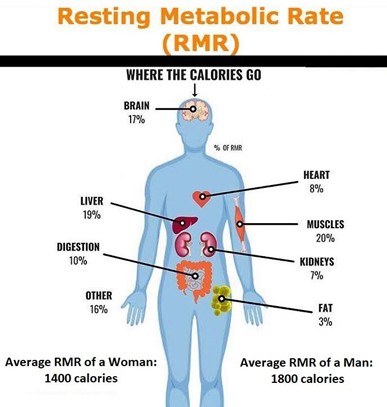
The nurse should expect to find an increased heart rate in a client with a fever. An elevated body temperature can cause an increase in metabolic rate, which can lead to an increase in heart rate. This is a normal physiological response to fever and helps the body to generate heat and fight off infection.
D. Dilated pupils
Full Explanation
The nurse should expect to find an increased heart rate in a client with a fever. An elevated body temperature can cause an increase in metabolic rate, which can lead to an increase in heart rate. This is a normal physiological response to fever and helps the body to generate heat and fight off infection.
A nurse is caring for a client who is placed on droplet precautions. Which of the following actions should the nurse take?
A. Wear a surgical mask when within 0.6 m (2 ft) of the client.
A) Wear a surgical mask when within 0.6 m (2 ft) of the client. While it is necessary to wear a surgical mask when in close proximity to a client on droplet precautions, the distance specified (0.6 m or 2 ft) is less than the standard recommended distance of 1 meter (3 feet). Therefore, this option is not fully aligned with best practices.
B. Move the client to a positive airflow room.
B) Move the client to a positive airflow room. Positive airflow rooms are typically used for clients with immunosuppression or those who need protection from airborne pathogens, not for those on droplet precautions. This action is not appropriate for a client requiring droplet precautions.
C. Place a surgical mask on the client when they leave their room.
C) Place a surgical mask on the client when they leave their room. This action is appropriate and essential to minimize the risk of transmission of infectious agents to others when the client is moving outside their isolation area. The client wearing a mask is a key part of droplet precautions.
D. Remove fresh flowers from the client’s room.
D) Remove fresh flowers from the client’s room. While it may be necessary to remove fresh flowers in certain cases (such as for neutropenic clients), this is not specifically related to droplet precautions. Droplet precautions focus primarily on respiratory secretions and do not directly involve the presence of flowers.
Full Explanation
Answer: C. Place a surgical mask on the client when they leave their room.
Rationale:
A) Wear a surgical mask when within 0.6 m (2 ft) of the client.
While it is necessary to wear a surgical mask when in close proximity to a client on droplet precautions, the distance specified (0.6 m or 2 ft) is less than the standard recommended distance of 1 meter (3 feet). Therefore, this option is not fully aligned with best practices.
B) Move the client to a positive airflow room.
Positive airflow rooms are typically used for clients with immunosuppression or those who need protection from airborne pathogens, not for those on droplet precautions. This action is not appropriate for a client requiring droplet precautions.
C) Place a surgical mask on the client when they leave their room.
This action is appropriate and essential to minimize the risk of transmission of infectious agents to others when the client is moving outside their isolation area. The client wearing a mask is a key part of droplet precautions.
D) Remove fresh flowers from the client’s room.
While it may be necessary to remove fresh flowers in certain cases (such as for neutropenic clients), this is not specifically related to droplet precautions. Droplet precautions focus primarily on respiratory secretions and do not directly involve the presence of flowers.