
Nursing practice questions with comprehensive rationales
NurseDive Free Nursing Practice Question
A nurse is assessing a client who has myasthenia gravis. Which of the following client statements should indicate to the nurse that the client needs a referral for occupational therapy?
A. "I've been having problems with bladder control."
While bladder control issues can significantly affect a client's quality of life, they are typically managed by a urologist or a specialist in continence, rather than an occupational therapist. Occupational therapy focuses on improving the ability to perform activities of daily living (ADLs), which generally does not include bladder control.
B. "I have difficulty swallowing food."
Difficulty swallowing, known as dysphagia, can be a symptom of myasthenia gravis due to muscle weakness. Although it is a serious concern, it is usually managed with the help of a speech therapist who specializes in swallowing difficulties, rather than an occupational therapist.
C. "I have a hard time with brushing my hair."
Having a hard time with brushing hair is directly related to the performance of ADLs, which is the primary focus of occupational therapy. An occupational therapist can assist the client by teaching energy conservation techniques, providing adaptive equipment, and modifying the task to make it easier for the client to maintain personal grooming independently.
D. "I would rather be in a wheelchair than use a walker to get around."
Preferring a wheelchair over a walker is a matter of mobility and personal preference. While occupational therapy can help with mobility issues, this statement alone does not indicate a need for occupational therapy unless the client has difficulty performing ADLs due to the choice of mobility aid.
This question is an excerpt from Nurse Dive's nursing test bank - Ati Rn Adult Medical Surgical 2023 Proctored Exam. Take the full exam now
Full Explanation
Choice A reason: While bladder control issues can significantly affect a client's quality of life, they are typically managed by a urologist or a specialist in continence, rather than an occupational therapist. Occupational therapy focuses on improving the ability to perform activities of daily living (ADLs), which generally does not include bladder control.
Choice B reason: Difficulty swallowing, known as dysphagia, can be a symptom of myasthenia gravis due to muscle weakness. Although it is a serious concern, it is usually managed with the help of a speech therapist who specializes in swallowing difficulties, rather than an occupational therapist.
Choice C reason: Having a hard time with brushing hair is directly related to the performance of ADLs, which is the primary focus of occupational therapy. An occupational therapist can assist the client by teaching energy conservation techniques, providing adaptive equipment, and modifying the task to make it easier for the client to maintain personal grooming independently.
Choice D reason: Preferring a wheelchair over a walker is a matter of mobility and personal preference. While occupational therapy can help with mobility issues, this statement alone does not indicate a need for occupational therapy unless the client has difficulty performing ADLs due to the choice of mobility aid.
Similar Questions
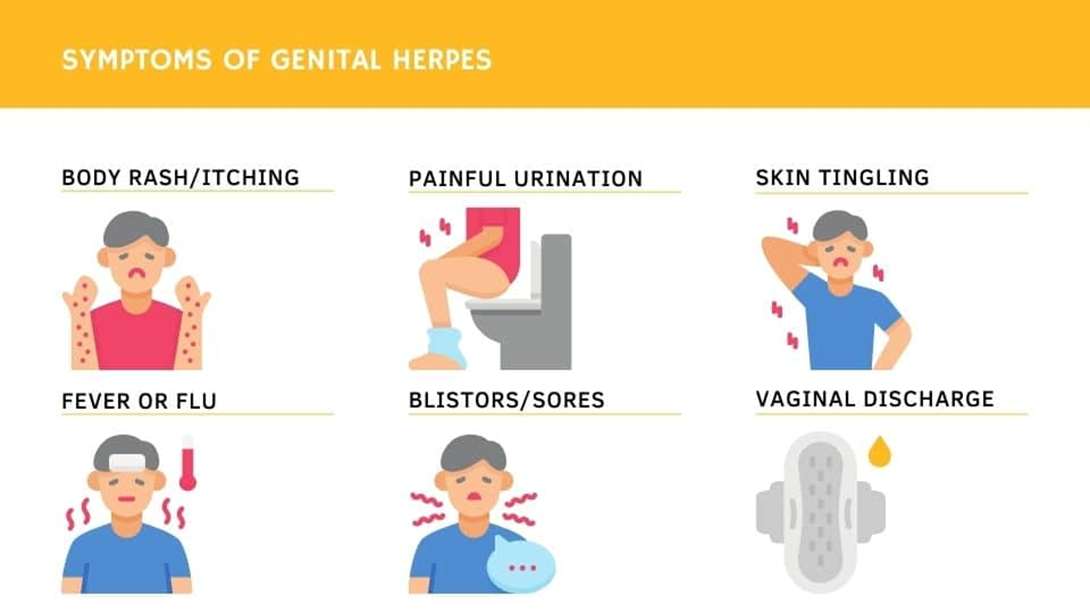
A nurse is providing discharge teaching for a client who is receiving treatment for genital herpes. Which of the following statements by the client indicates the effectiveness of the teaching?
A. "I should apply antibiotic ointment to the lesions."
Applying antibiotic ointment to the lesions is not recommended for the treatment of genital herpes, which is caused by a virus, not bacteria. Antiviral medications are the appropriate treatment for managing herpes outbreaks.
B. "I should use natural skin condoms during sexual intercourse."
Natural skin condoms are not effective in preventing the transmission of genital herpes because the virus can pass through the natural membrane. The use of latex or polyurethane condoms is recommended as they are more effective in reducing the risk of transmission.
C. "I should expect my lesions to resolve in 6 weeks."
Expecting lesions to resolve in 6 weeks may not be accurate as the duration of a herpes outbreak can vary. Most herpes lesions tend to resolve within 2 to 4 weeks. However, the virus remains in the body and can cause recurrent outbreaks.
D. "I should expect to take my medication for 3 weeks."
The duration of medication for genital herpes depends on whether the treatment is for an initial outbreak, chronic suppression, or episodic therapy. For an initial outbreak, antiviral medication is typically taken for 7 to 10 days. For chronic suppression, medication might be taken daily for an extended period to prevent or reduce the frequency of outbreaks.
Full Explanation
Choice A reason: Applying antibiotic ointment to the lesions is not recommended for the treatment of genital herpes, which is caused by a virus, not bacteria. Antiviral medications are the appropriate treatment for managing herpes outbreaks.
Choice B reason: Natural skin condoms are not effective in preventing the transmission of genital herpes because the virus can pass through the natural membrane. The use of latex or polyurethane condoms is recommended as they are more effective in reducing the risk of transmission.
Choice C reason: Expecting lesions to resolve in 6 weeks may not be accurate as the duration of a herpes outbreak can vary. Most herpes lesions tend to resolve within 2 to 4 weeks. However, the virus remains in the body and can cause recurrent outbreaks.
Choice D reason: The duration of medication for genital herpes depends on whether the treatment is for an initial outbreak, chronic suppression, or episodic therapy. For an initial outbreak, antiviral medication is typically taken for 7 to 10 days. For chronic suppression, medication might be taken daily for an extended period to prevent or reduce the frequency of outbreaks.
A nurse is caring for a client who has acute angina. Which of the following actions should the nurse take first?
A. Administer aspirin.
Administering aspirin is one of the first interventions for a client experiencing acute angina because aspirin has antiplatelet properties that help prevent blood clots, which can reduce the risk of a heart attack.
B. Measure blood pressure.
Measuring blood pressure is important but not the first action to take. It provides valuable information about the cardiovascular status of the client and can influence further treatment decisions.
C. Administer nitroglycerin.
Administering nitroglycerin is a priority action for acute angina as it helps to dilate the coronary arteries and relieve chest pain. However, it is typically administered after aspirin unless contraindicated.
D. Initiate IV access.
Initiating IV access is an important step in the management of acute angina, as it allows for the administration of medications and fluids if needed. However, it is not the first action to take during an acute angina episode.
Full Explanation
Choice A reason: Administering aspirin is one of the first interventions for a client experiencing acute angina because aspirin has antiplatelet properties that help prevent blood clots, which can reduce the risk of a heart attack.
Choice B reason: Measuring blood pressure is important but not the first action to take. It provides valuable information about the cardiovascular status of the client and can influence further treatment decisions.
Choice C reason: Administering nitroglycerin is a priority action for acute angina as it helps to dilate the coronary arteries and relieve chest pain. However, it is typically administered after aspirin unless contraindicated.
Choice D reason: Initiating IV access is an important step in the management of acute angina, as it allows for the administration of medications and fluids if needed. However, it is not the first action to take during an acute angina episode.
A nurse is reinforcing teaching with a client who has osteoporosis and is prescribed (Fosamax) alendronate 70 mg PO weekly. Which of the following statements by the client indicates a need for further instruction?
A. "I take my other pills at least 30 minutes after my alendronate."
This statement does not indicate a need for further instruction. It is recommended to wait at least 30 minutes after taking alendronate before taking other medications to ensure proper absorption of the drug.
B. "I take my alendronate on the same day every week with an 8-ounce glass of milk."
This statement indicates a need for further instruction. Alendronate should be taken with plain water, not milk. Milk and other dairy products can interfere with the absorption of alendronate due to their calcium content.
C. "I sit up and read the morning paper after taking my alendronate."
This statement does not indicate a need for further instruction. Patients are advised to remain upright for at least 30 minutes after taking alendronate to prevent esophageal irritation or ulceration.
D. "I will need to have a bone density test occasionally while taking this medication."
This statement does not indicate a need for further instruction. Periodic bone density tests are a standard part of monitoring the effectiveness of osteoporosis treatment.
Full Explanation
Choice A reason: This statement does not indicate a need for further instruction. It is recommended to wait at least 30 minutes after taking alendronate before taking other medications to ensure proper absorption of the drug.
Choice B reason: This statement indicates a need for further instruction. Alendronate should be taken with plain water, not milk. Milk and other dairy products can interfere with the absorption of alendronate due to their calcium content.
Choice C reason: This statement does not indicate a need for further instruction. Patients are advised to remain upright for at least 30 minutes after taking alendronate to prevent esophageal irritation or ulceration.
Choice D reason: This statement does not indicate a need for further instruction. Periodic bone density tests are a standard part of monitoring the effectiveness of osteoporosis treatment.