
Nursing practice questions with comprehensive rationales
NurseDive Free Nursing Practice Question
A nurse is assessing a client who has Parkinson's disease. Which of the following manifestations should the nurse expect?
A. Pruritus
Pruritus is not a manifestation of Parkinson's disease. It is a sensation of itching that can have various causes, such as dry skin, allergies, or infections.
B. Hypertension
Hypertension is not a manifestation of Parkinson's disease. It is a condition of high blood pressure that can increase the risk of cardiovascular complications, such as stroke or heart attack.
C. Bradykinesia
Bradykinesia is a manifestation of Parkinson's disease. It is a term that means slow movement and refers to the difficulty in initiating and performing voluntary actions, such as walking, speaking, or swallowing.
D. Xerostomia
Xerostomia is not a manifestation of Parkinson's disease. It is a term that means dry mouth and can result from dehydration, medication side effects, or salivary gland disorders.
This question is an excerpt from Nurse Dive's nursing test bank - Ati med surg adult care 2 proctored exam. Take the full exam now
Similar Questions
A nurse suspects that a client admitted for treatment of bacterial meningitis is experiencing increased Intracranial pressure (ICP). Which of the following assessment findings by the nurse supports this suspicion?
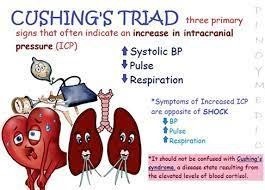
A. A decrease in the Glasgow Coma Score
Correct. A decrease in the Glasgow Coma Score indicates a deterioration in the level of consciousness, which is a sign of increased ICP.
B. Photophobia
Incorrect. Photophobia is a common symptom of bacterial meningitis, but it does not necessarily indicate increased ICP.
C. Fever
Incorrect. Fever is also a common symptom of bacterial meningitis, but it does not directly affect ICP.
D. Nuchal rigidity
Incorrect. Nuchal rigidity is another common symptom of bacterial meningitis, but it is caused by inflammation of the meninges, not by increased ICP.
A nurse is admitting a young adult client who has suspected bacterial meningitis. The nurse should closely monitor the client for increased intracranial pressure (ICP) as indicated by which of the following findings?
A. Elevated temperature
Incorrect. Elevated temperature is a common symptom of bacterial meningitis, but it does not directly affect ICP.
B. Pupils reactive to light
Incorrect. Pupils reactive to light indicate normal cranial nerve function, which does not necessarily reflect ICP status.
C. Widened pulse pressure
Correct. Widened pulse pressure is the difference between systolic and diastolic blood pressure, which increases as a compensatory mechanism to maintain cerebral perfusion in the face of increased ICP.
D. Nuchal rigidity
Incorrect. Nuchal rigidity is another common symptom of bacterial meningitis, but it is caused by inflammation of the meninges, not by increased ICP.
A student nurse is asked by the preceptor to identify which of the assigned clients is at the highest risk for stroke. Which of the clients below, when selected by the student nurse, indicate an understanding of the highest risk factor for stroke?
A. A client who has been treated for diabetes for 10 years.
A client who has been treated for diabetes for 10 years Incorrect. Diabetes is a risk factor for stroke, but not the highest one among the choices given.
B. A client who has been treated for blood pressure for 4 years.
A client who has been treated for blood pressure for 4 years Incorrect. Blood pressure is a risk factor for stroke, but not the highest one among the choices given.
C. An AfricanAmerican client
An AfricanAmerican client Incorrect. Race is a risk factor for stroke, but not the highest one among the choices given.
D. A client treated for atrial fibrillation with clopidogrel (Plavor)
A client treated for atrial fibrillation with clopidogrel (Plavor) Correct. Atrial fibrillation is a condition that causes irregular and rapid heartbeats, which can lead to blood clots forming in the heart and traveling to the brain, causing a stroke. Clopidogrel (Plavor) is an antiplatelet drug that prevents blood clots from forming, but it also increases the risk of bleeding in the brain, which can also cause a stroke.