
Nursing practice questions with comprehensive rationales
NurseDive Free Nursing Practice Question
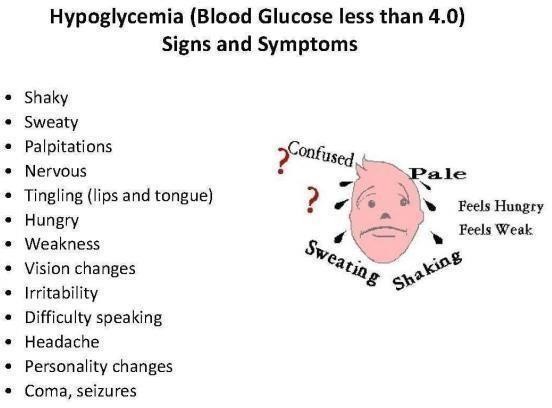
A nurse is assessing a client who has type 1 diabetes mellitus and finds the client lying in bed, sweating. and reporting feeling anxious. Which of the following complications should the nurse suspect?
A. Hyperglycemia
B. Hypoglycemia
C. Ketoacidosis
D. Nephropathy
This question is an excerpt from Nurse Dive's nursing test bank - Ati Patho/pharmacology Nur20500 Proctored Exam. Take the full exam now
Full Explanation
Rationale-The symptoms of sweating and feeling anxious in a client with type 1 diabetes mellitus are indicative of hypoglycemia. Hypoglycemia occurs when blood sugar levels fall too low, which can happen with the administration of insulin or other diabetes medications, missed meals, or increased exercise without adequate dietary adjustment. These symptoms are part of the body's natural response to low blood sugar, as it tries to signal the need for a source of energy. It is important for the nurse to recognize these signs promptly and respond with appropriate interventions, such as providing a fastacting carbohydrate, to prevent further complications associated with hypoglycemia.
A, C -Hyperglycemia and ketoacidosis presents with respiratory distress and a fruity odor. They occur due
D-Nephropathy presents with lack or reduced urine output. Injury occurs the renal tubules reduces renal ultrafiltration and reabsorption.
Similar Questions
A nurse is caring for a client who is postoperative hip arthroplasty and has a new prescription for enoxaparin 1 mg/kg/dose subcutaneous every 12 hr. The client weighs 95 lbs. How many mg should the nurse administer per dose? (Round the answer to the nearest tenth. Use a leading zero if it applies. Do not use a trailing zero.)
Full Explanation
Dose = Weight in kgs ×Dose per kg 1kg =2.2046lbs
A nurse is teaching a client who has a new prescription for aspirin to treat rheumatoid arthritis. The nurse should include to monitor for which of the following adverse effects of this medication?
A. Blurred vision
B. Constipation
C. Bleeding
D. Insomnia
Full Explanation
Aspirin can cause gastrointestinal irritation and increase the risk bleeding due to its effect on platelet aggregation. While other side effects such as gastrointestinal discomfort, nausea, and heartburn are common, bleeding is a serious side effect that requires close monitoring.
A, B, D It is less likely for aspirin to cause blurred vision, constipation, or insomnia as direct adverse effects. Aspirin has antiplatelet effects which increases risk of bleeding
A nurse is assessing a client who is experiencing hypervolemia. Which of the following findings should the nurse expect?
A. Oliguria
B. Bradycardia
C. Hypotension
D. peripheral edema
Full Explanation
Rationale- Peripheral edema, which is swelling typically in the arms and legs due to the accumulation of fluid, is a common finding in hypervolemia. This condition can also lead to symptoms such as bloating, rapid weight gain, and high blood pressure due to the increased fluid in the bloodstream. Hypervolemia causes the accumulation of excessive fluid in the tissues leading to edema
A,B,C- Oliguria, bradycardia, and hypotension are not typical findings associated with hypervolemia. Instead, they are features of hypovolemia