Nursing practice questions with comprehensive rationales
NurseDive Free Nursing Practice Question
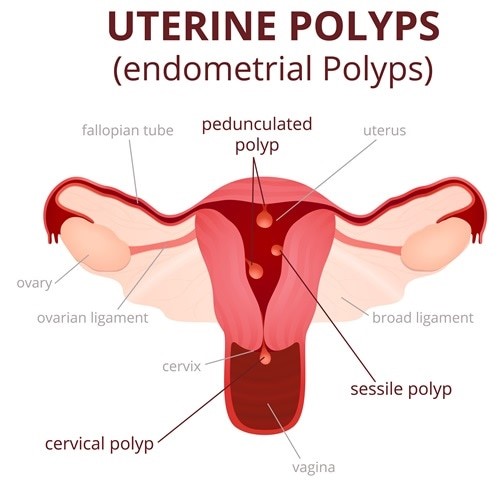
A nurse is assessing a female client and suspects that the client may have endometrial polyps based on which clinical manifestation?
A. Bleeding between menses
Bleeding between menses is not the correct answer because it is not a specific clinical manifestation of endometrial polyps. Bleeding between menses is a condition that causes spotting or bleeding at any time other than during the normal menstrual period. It can be caused by various factors such as hormonal imbalance, infection, or pregnancy. It can also occur in some women with endometrial polyps, but it is not a definitive sign of them.
B. Bleeding after intercourse
Bleeding after intercourse is not the correct answer because it is not a specific clinical manifestation of endometrial polyps. Bleeding after intercourse is a condition that causes bleeding from the vagina or cervix after sexual activity. It can be caused by various factors such as trauma, infection, or cancer. It can also occur in some women with endometrial polyps, but it is not a definitive sign of them.
C. Metrorrhagia
Metrorrhagia is the correct answer because it is a specific clinical manifestation of endometrial polyps. Metrorrhagia is a condition that causes irregular or excessive bleeding from the uterus that is unrelated to the menstrual cycle. It can be caused by various factors such as polyps, fibroids, or cancer. It is a common symptom of endometrial polyps, which are benign growths of the endometrium (the lining of the uterus) that can protrude into the uterine cavity and cause bleeding.
D. Vaginal discharge
Vaginal discharge is not the correct answer because it is not a specific clinical manifestation of endometrial polyps. Vaginal discharge is a fluid that comes out of the vagina and varies in color, consistency, and odor depending on the phase of the menstrual cycle, sexual activity, or health status. It can be caused by various factors such as normal secretions, infection, or inflammation. It is not a common symptom of endometrial polyps, which do not usually affect the vaginal flora or pH.
This question is an excerpt from Nurse Dive's nursing test bank - ATI Maternal Newborn Rn Proctored Exam. Take the full exam now
Full Explanation
Choice A: Bleeding between menses is not the correct answer because it is not a specific clinical manifestation of endometrial polyps. Bleeding between menses is a condition that causes spotting or bleeding at any time other than during the normal menstrual period. It can be caused by various factors such as hormonal imbalance, infection, or pregnancy. It can also occur in some women with endometrial polyps, but it is not a definitive sign of them.
Choice B: Bleeding after intercourse is not the correct answer because it is not a specific clinical manifestation of endometrial polyps. Bleeding after intercourse is a condition that causes bleeding from the vagina or cervix after sexual activity. It can be caused by various factors such as trauma, infection, or cancer. It can also occur in some women with endometrial polyps, but it is not a definitive sign of them.
Choice C: Metrorrhagia is the correct answer because it is a specific clinical manifestation of endometrial polyps. Metrorrhagia is a condition that causes irregular or excessive bleeding from the uterus that is unrelated to the menstrual cycle. It can be caused by various factors such as polyps, fibroids, or cancer. It is a common symptom of endometrial polyps, which are benign growths of the endometrium (the lining of the uterus) that can protrude into the uterine cavity and cause bleeding.
Choice D: Vaginal discharge is not the correct answer because it is not a specific clinical manifestation of endometrial polyps. Vaginal discharge is a fluid that comes out of the vagina and varies in color, consistency, and odor depending on the phase of the menstrual cycle, sexual activity, or health status. It can be caused by various factors such as normal secretions, infection, or inflammation. It is not a common symptom of endometrial polyps, which do not usually affect the vaginal flora or pH.
Similar Questions
A nurse is reviewing contraception options for four clients. The nurse should identify which of the following clients has a contraindication for receiving oral contraceptives.
A. A 26-year-old client who has migraine headaches at the start of each menstrual cycle
A 26-year-old client who has migraine headaches at the start of each menstrual cycle does not have a contraindication for receiving oral contraceptives. Oral contraceptives are pills that contain synthetic hormones (estrogen and progestin) that prevent ovulation and pregnancy. They can also help regulate menstrual cycles and reduce menstrual pain and bleeding. Some women with migraine headaches may benefit from oral contraceptives, especially if their migraines are related to hormonal fluctuations or menstruation. However, oral contraceptives may worsen migraines in some women, especially if they have aura (visual or sensory disturbances) or other risk factors for stroke. Therefore, oral contraceptives should be used with caution and under medical supervision in women with migraine headaches.
B. A 28-year-old client who has a history of pelvic inflammatory disease
A 28-year-old client who has a history of pelvic inflammatory disease does not have a contraindication for receiving oral contraceptives. Pelvic inflammatory disease (PID) is an infection of the female reproductive organs (uterus, fallopian tubes, ovaries) that can cause pain, fever, discharge, or infertility. It can be caused by various bacteria, often sexually transmitted ones such as gonorrhea or chlamydia. Oral contraceptives do not protect against STIs or PID, but they may reduce the risk of PID by thickening the cervical mucus and preventing bacteria from entering the uterus. Therefore, oral contraceptives can be used safely in women with a history of PID, but they should also use condoms or other barrier methods to prevent STIs.
C. A 32-year-old client who has benign breast disease
A 32-year-old client who has benign breast disease does not have a contraindication for receiving oral contraceptives. Benign breast disease (BBD) is a term that refers to various noncancerous conditions that affect the breast tissue, such as cysts, fibroadenomas, or mastitis. They can cause symptoms such as lumps, pain, or tenderness in the breasts. Oral contraceptives do not cause or increase the risk of BBD, but they may improve some symptoms of BBD by stabilizing the hormonal levels and reducing breast tissue sensitivity. Therefore, oral contraceptives can be used safely in women with BBD, but they should also have regular breast exams and mammograms to monitor their breast health.
D. A 38-year-old client who reports smoking one pack of cigarettes every day
A 38-year-old client who reports smoking one pack of cigarettes every day has a contraindication for receiving oral contraceptives. Smoking is a habit that involves inhaling the smoke of tobacco or other substances that can cause various health problems, such as lung cancer, heart disease, or stroke. Oral contraceptives can increase the risk of these problems, especially in women who are older than 35 years or smoke more than 15 cigarettes per day. Smoking and oral contraceptives can interact and cause blood clots, high blood pressure, or reduced blood flow to the organs. Therefore, oral contraceptives should be avoided or discontinued in women who smoke, and alternative methods of contraception should be used.
Full Explanation
Choice A: A 26-year-old client who has migraine headaches at the start of each menstrual cycle does not have a contraindication for receiving oral contraceptives. Oral contraceptives are pills that contain synthetic hormones (estrogen and progestin) that prevent ovulation and pregnancy. They can also help regulate menstrual cycles and reduce menstrual pain and bleeding. Some women with migraine headaches may benefit from oral contraceptives, especially if their migraines are related to hormonal fluctuations or menstruation. However, oral contraceptives may worsen migraines in some women, especially if they have aura (visual or sensory disturbances) or other risk factors for stroke. Therefore, oral contraceptives should be used with caution and under medical supervision in women with migraine headaches.
Choice B: A 28-year-old client who has a history of pelvic inflammatory disease does not have a contraindication for receiving oral contraceptives. Pelvic inflammatory disease (PID) is an infection of the female reproductive organs (uterus, fallopian tubes, ovaries) that can cause pain, fever, discharge, or infertility. It can be caused by various bacteria, often sexually transmitted ones such as gonorrhea or chlamydia. Oral contraceptives do not protect against STIs or PID, but they may reduce the risk of PID by thickening the cervical mucus and preventing bacteria from entering the uterus. Therefore, oral contraceptives can be used safely in women with a history of PID, but they should also use condoms or other barrier methods to prevent STIs.
Choice C: A 32-year-old client who has benign breast disease does not have a contraindication for receiving oral contraceptives. Benign breast disease (BBD) is a term that refers to various noncancerous conditions that affect the breast tissue, such as cysts, fibroadenomas, or mastitis. They can cause symptoms such as lumps, pain, or tenderness in the breasts. Oral contraceptives do not cause or increase the risk of BBD, but they may improve some symptoms of BBD by stabilizing the hormonal levels and reducing breast tissue sensitivity. Therefore, oral contraceptives can be used safely in women with BBD, but they should also have regular breast exams and mammograms to monitor their breast health.
Choice D: A 38-year-old client who reports smoking one pack of cigarettes every day has a contraindication for receiving oral contraceptives. Smoking is a habit that involves inhaling the smoke of tobacco or other substances that can cause various health problems, such as lung cancer, heart disease, or stroke. Oral contraceptives can increase the risk of these problems, especially in women who are older than 35 years or smoke more than 15 cigarettes per day. Smoking and oral contraceptives can interact and cause blood clots, high blood pressure, or reduced blood flow to the organs. Therefore, oral contraceptives should be avoided or discontinued in women who smoke, and alternative methods of contraception should be used.
A nurse is preparing a breast cancer presentation for a health forum. Which fact would the nurse expect to address in this presentation?
A. African American women have the BRCA 1 and BRCA 2 gene.
African American women have the BRCA 1 and BRCA 2 gene is not the correct answer because it is not a fact but a misconception. BRCA 1 and BRCA 2 are genes that normally help prevent breast and ovarian cancer by repairing DNA damage. However, mutations in these genes can increase the risk of developing these cancers. BRCA mutations are not exclusive to African American women, but they can affect any race or ethnicity. According to the National Cancer Institute, about 12% of American white women and 10% of African American women have a BRCA mutation.
B. American white women respond better to breast cancer treatment.
American white women respond better to breast cancer treatment is not the correct answer because it is not a fact but a disparity. Breast cancer treatment can include surgery, radiation, chemotherapy, hormone therapy, or targeted therapy. The response to treatment can vary depending on various factors such as tumor type, stage, grade, or molecular profile. However, some studies have shown that American white women have better survival rates and outcomes than African-American women after breast cancer treatment. This disparity may be due to differences in access to care, quality of care, socioeconomic status, or biological factors.
C. Breast cancer is more advanced in African American women when found.
Breast cancer is more advanced in African American women when found is the correct answer because it is a fact and a disparity. Breast cancer is a disease that occurs when abnormal cells grow and invade the breast tissue or other parts of the body. The stage of breast cancer describes how far the cancer has spread and how serious it is. Breast cancer can be detected by screening tests such as mammograms or clinical exams such as breast self-exams. However, some studies have shown that African American women are more likely than American white women to be diagnosed with breast cancer at later stages. This disparity may be due to differences in screening rates, awareness, symptoms, or tumor biology.
D. More Hispanic women smoke, which increases their risk.
More Hispanic women smoke, which increases their risk is not the correct answer because it is not a fact but a misconception. Smoking is a risk factor for breast cancer, as it can damage the DNA of breast cells and increase the levels of hormones that stimulate cell growth. However, smoking rates are not higher among Hispanic women than other racial or ethnic groups. According to the Centers for Disease Control and Prevention, about 14% of Hispanic women smoke cigarettes compared to 16% of American white women and 14% of African American women.
Full Explanation
Choice A: African American women have the BRCA 1 and BRCA 2 gene is not the correct answer because it is not a fact but a misconception. BRCA 1 and BRCA 2 are genes that normally help prevent breast and ovarian cancer by repairing DNA damage. However, mutations in these genes can increase the risk of developing these cancers. BRCA mutations are not exclusive to African American women, but they can affect any race or ethnicity. According to the National Cancer Institute, about 12% of American white women and 10% of African American women have a BRCA mutation.
Choice B: American white women respond better to breast cancer treatment is not the correct answer because it is not a fact but a disparity. Breast cancer treatment can include surgery, radiation, chemotherapy, hormone therapy, or targeted therapy. The response to treatment can vary depending on various factors such as tumor type, stage, grade, or molecular profile. However, some studies have shown that American white women have better survival rates and outcomes than African-American women after breast cancer treatment. This disparity may be due to differences in access to care, quality of care, socioeconomic status, or biological factors.
Choice C: Breast cancer is more advanced in African American women when found is the correct answer because it is a fact and a disparity. Breast cancer is a disease that occurs when abnormal cells grow and invade the breast tissue or other parts of the body. The stage of breast cancer describes how far the cancer has spread and how serious it is. Breast cancer can be detected by screening tests such as mammograms or clinical exams such as breast self-exams. However, some studies have shown that African American women are more likely than American white women to be diagnosed with breast cancer at later stages. This disparity may be due to differences in screening rates, awareness, symptoms, or tumor biology.
Choice D: More Hispanic women smoke, which increases their risk is not the correct answer because it is not a fact but a misconception. Smoking is a risk factor for breast cancer, as it can damage the DNA of breast cells and increase the levels of hormones that stimulate cell growth. However, smoking rates are not higher among Hispanic women than other racial or ethnic groups. According to the Centers for Disease Control and Prevention, about 14% of Hispanic women smoke cigarettes compared to 16% of American white women and 14% of African American women.
A breast biopsy indicates the presence of malignant cells, and the client is scheduled for a mastectomy. When preparing the client's preoperative plan of care, which area would the nurse most likely address as the priority?
A. Fluid balance
Fluid balance is not the most likely priority because it is not directly affected by the mastectomy. Fluid balance is the state of equilibrium between the intake and output of fluids in the body. It can be influenced by various factors such as hydration, nutrition, medication, or illness. It can be monitored by measuring vital signs, weight, urine output, or laboratory values. Fluid balance is important for maintaining homeostasis and preventing dehydration or edema, but it is not a specific concern for a client undergoing a mastectomy.
B. Body image
Body image is the most likely priority because it is directly affected by the mastectomy. Body image is the perception and attitude that one has toward one's own physical appearance and function. It can be influenced by various factors such as culture, media, self-esteem, or feedback from others. It can be assessed by observing verbal and nonverbal cues, asking open-ended questions, or using standardized tools. Body image is a major psychosocial issue for a client undergoing a mastectomy, as it can affect one's sense of identity, femininity, sexuality, or attractiveness. The nurse should address body image by providing information, support, and referral to appropriate resources.
C. Urinary elimination
Urinary elimination is not the most likely priority because it is not directly affected by the mastectomy. Urinary elimination is the process of expelling urine from the bladder through the urethra. It can be influenced by various factors such as fluid intake, kidney function, medication, or infection. It can be assessed by measuring urine volume, color, odor, or specific gravity. Urinary elimination is important for maintaining fluid balance and preventing urinary tract infection or retention, but it is not a specific concern for a client undergoing a mastectomy.
D. Activity
Activity is not the most likely priority because it is not directly affected by the mastectomy. Activity is the level of physical movement and exercise that one engages in on a daily basis. It can be influenced by various factors such as age, health status, motivation, or environment. It can be assessed by observing mobility, endurance, strength, or coordination. Activity is important for maintaining muscle tone, joint range of motion, circulation, or metabolism, but it is not a specific concern for a client undergoing a mastectomy.
Full Explanation
Choice A: Fluid balance is not the most likely priority because it is not directly affected by the mastectomy. Fluid balance is the state of equilibrium between the intake and output of fluids in the body. It can be influenced by various factors such as hydration, nutrition, medication, or illness. It can be monitored by measuring vital signs, weight, urine output, or laboratory values. Fluid balance is important for maintaining homeostasis and preventing dehydration or edema, but it is not a specific concern for a client undergoing a mastectomy.
Choice B: Body image is the most likely priority because it is directly affected by the mastectomy. Body image is the perception and attitude that one has toward one's own physical appearance and function. It can be influenced by various factors such as culture, media, self-esteem, or feedback from others. It can be assessed by observing verbal and nonverbal cues, asking open-ended questions, or using standardized tools. Body image is a major psychosocial issue for a client undergoing a mastectomy, as it can affect one's sense of identity, femininity, sexuality, or attractiveness. The nurse should address body image by providing information, support, and referral to appropriate resources.
Choice C: Urinary elimination is not the most likely priority because it is not directly affected by the mastectomy. Urinary elimination is the process of expelling urine from the bladder through the urethra. It can be influenced by various factors such as fluid intake, kidney function, medication, or infection. It can be assessed by measuring urine volume, color, odor, or specific gravity. Urinary elimination is important for maintaining fluid balance and preventing urinary tract infection or retention, but it is not a specific concern for a client undergoing a mastectomy.
Choice D: Activity is not the most likely priority because it is not directly affected by the mastectomy. Activity is the level of physical movement and exercise that one engages in on a daily basis. It can be influenced by various factors such as age, health status, motivation, or environment. It can be assessed by observing mobility, endurance, strength, or coordination. Activity is important for maintaining muscle tone, joint range of motion, circulation, or metabolism, but it is not a specific concern for a client undergoing a mastectomy.