
Nursing practice questions with comprehensive rationales
NurseDive Free Nursing Practice Question
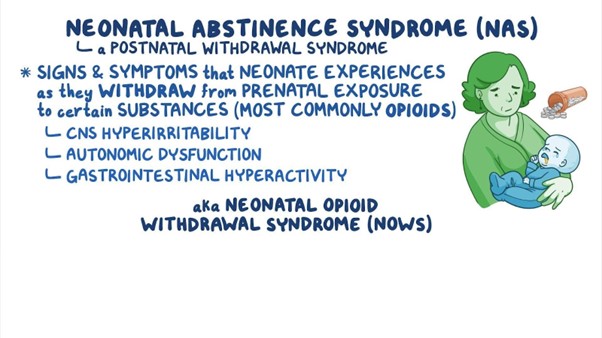
A nurse is assessing a neonate who was exposed to heroin in utero. Which of me following findings should the nurse identify as an indication that the neonate is experiencing neonatal abstinence syndrome?
A. Hyporeflexia
Neonatal abstinence syndrome (NAS) is a group of withdrawal symptoms that occur in newborns who were exposed to drugs, including heroin, in utero. Hyporeflexia, which refers to reduced or diminished reflexes, is one of the key findings in neonates experiencing NAS. During pregnancy, when the mother uses opioids like heroin, the baby becomes dependent on the drug. After birth, when the drug is no longer available, the baby experiences withdrawal symptoms as their body adjusts to the absence of the drug. Hyporeflexia is a common manifestation of NAS and is observed due to the central nervous system's response to the withdrawal.
B. Frequent yawning
Frequent yawning: While yawning can be seen in neonates with NAS, it is not as specific to the condition as hyporeflexia. Yawning can occur for various reasons and may not always be indicative of NAS.
C. Respiratory depression
Respiratory depression: Respiratory depression can be a severe complication of opioid exposure in utero and can result in life-threatening situations for the neonate. However, it is not specific to NAS. Respiratory depression is more closely associated with opioid overdose in the newborn, which can be a separate concern from NAS.
D. Constipation
Constipation: Constipation is a possible symptom in neonates experiencing NAS, but it is not as specific as hyporeflexia. Constipation can occur due to various factors and is not unique to NAS.
This question is an excerpt from Nurse Dive's nursing test bank - RN VATI Pharmacology S 2019 Proctored Exam. Take the full exam now
Full Explanation
Neonatal abstinence syndrome (NAS) is a group of withdrawal symptoms that occur in newborns who were exposed to drugs, including heroin, in utero. Hyporeflexia, which refers to reduced or diminished reflexes, is one of the key findings in neonates experiencing NAS.
During pregnancy, when the mother uses opioids like heroin, the baby becomes dependent on the drug. After birth, when the drug is no longer available, the baby experiences withdrawal symptoms as the body adjusts to the absence of the drug. Hyporeflexia is a common manifestation of NAS and is observed due to the central nervous system's response to the withdrawal.
Let's go through the other options:
B. Frequent yawning: While yawning can be seen in neonates with NAS, it is not as specific to the condition as hyporeflexia. Yawning can occur for various reasons and may not always be indicative of NAS.
C. Respiratory depression: Respiratory depression can be a severe complication of opioid exposure in utero and can result in life-threatening situations for the neonate. However, it is not specific to NAS. Respiratory depression is more closely associated with opioid overdose in the newborn, which can be a separate concern from NAS.
D. Constipation: Constipation is a possible symptom in neonates experiencing NAS, but it is not as specific as hyporeflexia. Constipation can occur due to various factors and is not unique to NAS.
Similar Questions
A nurse is providing discharge teaching to a client who has a prescription for enoxaparin. Which of the following instructions should the nurse include in the teaching?
A. Insert the needle at a 45 angle
Insert the needle at a 45 angle: Enoxaparin is typically administered as a subcutaneous injection, where the needle is inserted at a 90-degree angle (straight into the skin). A 45-degree angle is used for intramuscular injections, but it is not appropriate for enoxaparin administration.
B. Inject the medication into a muscle
Inject the medication into a muscle: Enoxaparin is not intended to be injected into a muscle. It is a low-molecular-weight heparin designed for subcutaneous administration, meaning it is injected just below the skin into the fatty tissue.
C. Rub the injection site following administration
Rub the injection site following administration: Rubbing the injection site after administering enoxaparin or any other subcutaneous medication is not recommended. Rubbing the site can cause irritation and bruising. Instead, the nurse should apply gentle pressure with a cotton ball or gauze pad for a few seconds after the injection to help minimize bleeding.
D. Expel the air bubble prior to injecting the medication
When providing discharge teaching to a client with a prescription for enoxaparin, the nurse should include the instruction to expel the air bubble prior to injecting the medication. Enoxaparin is a type of anticoagulant medication that is administered as a subcutaneous injection.
Full Explanation
When providing discharge teaching to a client with a prescription for enoxaparin, the nurse should include the instruction to expel the air bubble prior to injecting the medication. Enoxaparin is a type of anticoagulant medication that is administered as a subcutaneous injection.
Here's why the other options are incorrect:
A. Insert the needle at a 45 angle: Enoxaparin is typically administered as a subcutaneous injection, where the needle is inserted at a 90-degree angle (straight into the skin). A 45-degree angle is used for intramuscular injections, but it is not appropriate for enoxaparin administration.
B. Inject the medication into a muscle: Enoxaparin is not intended to be injected into a muscle. It is a low-molecular-weight heparin designed for subcutaneous administration, meaning it is injected just below the skin into the fatty tissue.
C. Rub the injection site following administration: Rubbing the injection site after administering enoxaparin or any other subcutaneous medication is not recommended. Rubbing the site can cause irritation and bruising. Instead, the nurse should apply gentle pressure with a cotton ball or gauze pad for a few seconds after the injection to help minimize bleeding.
A nurse is assessing a client who is experiencing an anaphylactic reaction to an antibiotic. Which of the following manifestations of anaphylaxis should the nurse expect?
A. Hypertonic reflexes
Hypertonic reflexes: This is not a manifestation of anaphylaxis. "Hypertonic reflexes" are not typically associated with allergic reactions or anaphylaxis. Hypertonic reflexes refer to increased muscle tone, but they are not part of the usual presentation of anaphylaxis.
B. increase in systolic blood pressure
Increase in systolic blood pressure: Anaphylaxis usually leads to a decrease in blood pressure rather than an increase. The decrease in blood pressure can be severe and result in shock, which is a life-threatening condition.
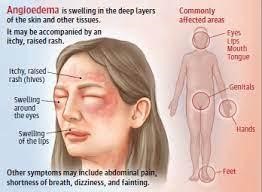
C. Angioedema
The nurse should expect angioedema as one of the manifestations of anaphylaxis in a client experiencing an allergic reaction to an antibiotic. Angioedema is a severe swelling that occurs beneath the skin, typically affecting the face, lips, tongue, throat, or other body parts. It is a result of the release of histamine and other inflammatory mediators in response to the allergen. Anaphylaxis is a life-threatening allergic reaction that can occur rapidly and affect multiple body systems. In addition to angioedema, other common manifestations of anaphylaxis include: Difficulty breathing or wheezing due to bronchospasm Hives or urticaria, which are itchy raised skin rashes Severe itching or tingling sensation Rapid and weak pulse Low blood pressure leading to hypotension Nausea, vomiting, or diarrhea Feeling of impending doom or anxiety
D. Urinary retention
Urinary retention: Urinary retention is not a common manifestation of anaphylaxis. Anaphylaxis primarily affects the respiratory and circulatory systems, leading to airway constriction, difficulty breathing, and cardiovascular collapse. Urinary retention is not directly related to the pathophysiology of anaphylaxis.
Full Explanation
The nurse should expect angioedema as one of the manifestations of anaphylaxis in a client experiencing an allergic reaction to an antibiotic. Angioedema is a severe swelling that occurs beneath the skin, typically affecting the face, lips, tongue, throat, or other body parts. It is a result of the release of histamine and other inflammatory mediators in response to the allergen.
Anaphylaxis is a life-threatening allergic reaction that can occur rapidly and affect multiple body systems. In addition to angioedema, other common manifestations of anaphylaxis include:
-
Difficulty breathing or wheezing due to bronchospasm
-
Hives or urticaria, which are itchy raised skin rashes
-
Severe itching or tingling sensation
-
Rapid and weak pulse
-
Low blood pressure leading to hypotension
-
Nausea, vomiting, or diarrhea
-
Feeling of impending doom or anxiety
Let's go through the other options:
A. Hypertonic reflexes: This is not a manifestation of anaphylaxis. "Hypertonic reflexes" are not typically associated with allergic reactions or anaphylaxis. Hypertonic reflexes refer to increased muscle tone, but they are not part of the usual presentation of anaphylaxis.
B. Increase in systolic blood pressure: Anaphylaxis usually leads to a decrease in blood pressure rather than an increase. The decrease in blood pressure can be severe and result in shock, which is a life-threatening condition.
D. Urinary retention: Urinary retention is not a common manifestation of anaphylaxis. Anaphylaxis primarily affects the respiratory and circulatory systems, leading to airway constriction, difficulty breathing, and cardiovascular collapse. Urinary retention is not directly related to the pathophysiology of anaphylaxis.
A nurse is reviewing the laboratory results of a client who has been taking warfarin for 3 months. Which of the following laboratory results Indicates that the medication has been effective?
A. Hgb 14 g/dL
Hemoglobin level: The hemoglobin level measures the amount of hemoglobin, the oxygen-carrying protein in red blood cells, in the blood. Warfarin is not directly responsible for increasing or decreasing the hemoglobin level. While warfarin can lead to bleeding complications in some cases, it does not specifically target the hemoglobin level, so it is not a direct indicator of the medication's effectiveness.
B. WBC count 10,000/mm3
Platelet count: The platelet count measures the number of platelets in the blood, which are essential for blood clotting. Warfarin does not directly affect platelet production or count. It works by inhibiting the production of certain clotting factors, not by affecting platelets. Monitoring the platelet count is important, but it is not an indicator of warfarin's effectiveness in preventing excessive clotting.
C. INR 2.0
Prothrombin time (PT) or activated partial thromboplastin time (aPTT): Prothrombin time (PT) and activated partial thromboplastin time (aPTT) are coagulation tests used to assess different types of anticoagulant medications, such as heparin. Warfarin's effect is measured using the International Normalized Ratio (INR). PT and aPTT are not specific to warfarin therapy and are not used to monitor its effectiveness. The INR is the appropriate laboratory test for assessing the efficacy of warfarin therapy.
D. Platelets 150,000/mm3
International Normalized Ratio (INR): This is the correct answer. The International Normalized Ratio (INR) is the laboratory test used to monitor the effectiveness of warfarin therapy. The INR measures the time it takes for the blood to clot and reflects the anticoagulant effect of warfarin. A therapeutic INR within the target range (e.g., INR = 2.0 to 3.0 for most indications) indicates that warfarin has been effective in preventing excessive clotting and reducing the risk of complications associated with blood clots.
Full Explanation
A. Hemoglobin level: The hemoglobin level measures the amount of hemoglobin, the oxygen-carrying protein in red blood cells, in the blood. Warfarin is not directly responsible for increasing or decreasing the hemoglobin level. While warfarin can lead to bleeding complications in some cases, it does not specifically target the hemoglobin level, so it is not a direct indicator of the medication's effectiveness.
B. Platelet count: The platelet count measures the number of platelets in the blood, which are essential for blood clotting. Warfarin does not directly affect platelet production or count. It works by inhibiting the production of certain clotting factors, not by affecting platelets. Monitoring the platelet count is important, but it is not an indicator of warfarin's effectiveness in preventing excessive clotting.
C. Prothrombin time (PT) or activated partial thromboplastin time (aPTT): Prothrombin time (PT) and activated partial thromboplastin time (aPTT) are coagulation tests used to assess different types of anticoagulant medications, such as heparin. Warfarin's effect is measured using the International Normalized Ratio (INR). PT and aPTT are not specific to warfarin therapy and are not used to monitor its effectiveness. The INR is the appropriate laboratory test for assessing the efficacy of warfarin therapy.
D. International Normalized Ratio (INR): This is the correct answer. The International Normalized Ratio (INR) is the laboratory test used to monitor the effectiveness of warfarin therapy. The INR measures the time it takes for the blood to clot and reflects the anticoagulant effect of warfarin. A therapeutic INR within the target range (e.g., INR = 2.0 to 3.0 for most indications) indicates that warfarin has been effective in preventing excessive clotting and reducing the risk of complications associated with blood clots.