
Nursing practice questions with comprehensive rationales
NurseDive Free Nursing Practice Question
A nurse is assessing a newborn following a vaginal delivery. Which of the following findings should the nurse report to the provider?
A. Heart rate 136/min
Heart rate 136/min is a normal finding for a newborn. The normal range of heart rate for a newborn is 100 to 160/min.
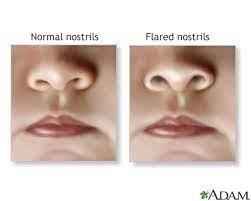
B. Nasal flaring
Nasal flaring is an abnormal finding for a newborn. Nasal flaring indicates respiratory distress and may be caused by conditions such as pneumonia, meconium aspiration, or congenital heart defects.
C. Transient strabismus
Transient strabismus is a normal finding for a newborn. Transient strabismus is a temporary misalignment of the eyes that occurs due to weak eye muscles and poor coordination. It usually resolves by 3 to 6 months of age.
D. Overlapping of sutures
Overlapping of sutures is a normal finding for a newborn. Overlapping of sutures is caused by molding of the skull during delivery and allows the head to fit through the birth canal. It usually resolves within a few days after birth.
This question is an excerpt from Nurse Dive's nursing test bank - RN Comprehensive Online Practice 2019 B with NGN Proctored Exam. Take the full exam now
Full Explanation
- A. Heart rate 136/min is a normal finding for a newborn. The normal range of heart rate for a newborn is 100 to 160/min.
- B. Nasal flaring is an abnormal finding for a newborn. Nasal flaring indicates respiratory distress and may be caused by conditions such as pneumonia, meconium aspiration, or congenital heart defects.
- C. Transient strabismus is a normal finding for a newborn. Transient strabismus is a temporary misalignment of the eyes that occurs due to weak eye muscles and poor coordination. It usually resolves by 3 to 6 months of age.
- D. Overlapping of sutures is a normal finding for a newborn. Overlapping of sutures is caused by molding of the skull during delivery and allows the head to fit through the birth canal. It usually resolves within a few days after birth.
Similar Questions
A nurse is providing teaching about home care to the parents of a child who has autism spectrum disorder. Which of the following instructions should the nurse include?
A. Maintain a flexible daily schedule for the child
Maintaining a flexible daily schedule for the child may increase their anxiety and confusion, as they may have difficulty adapting to changes in routine and expectations. The nurse should advise the parents to establish a consistent and structured schedule for the child, with clear rules and boundaries.
B. Use a reward system to modify the child's behavior
Using a reward system to modify the child's behavior is an effective strategy to reinforce positive behaviors and reduce negative ones. The nurse should help the parents identify specific and measurable goals for the child, and provide them with praise, tokens, or privileges when they achieve them.
C. Provide a variety of family members to care for the child
Providing a variety of family members to care for the child may overwhelm them and impair their social skills development, as they may have difficulty forming attachments and communicating with different people. The nurse should encourage the parents to select one or two primary caregivers for the child, who can provide them with consistent and supportive interactions.
D. Administer alprazolam as needed to reduce the child's anxiety
Administering alprazolam as needed to reduce the child's anxiety is not recommended, as it may cause adverse effects such as sedation, dependence, or withdrawal symptoms. The nurse should educate the parents about nonpharmacological interventions for anxiety, such as relaxation techniques, cognitive behavioral therapy, or social skills training.
Full Explanation
Use a reward system to modify the child's behavior.
Rationale:
- A. Incorrect. Maintaining a flexible daily schedule for the child may increase their anxiety and confusion, as they may have difficulty adapting to changes in routine and expectations. The nurse should advise the parents to establish a consistent and structured schedule for the child, with clear rules and boundaries.
- B. Correct. Using a reward system to modify the child's behavior is an effective strategy to reinforce positive behaviors and reduce negative ones. The nurse should help the parents identify specific and measurable goals for the child, and provide them with praise, tokens, or privileges when they achieve them.
- C. Incorrect. Providing a variety of family members to care for the child may overwhelm them and impair their social skills development, as they may have difficulty forming attachments and communicating with different people. The nurse should encourage the parents to select one or two primary caregivers for the child, who can provide them with consistent and supportive interactions.
- D. Incorrect. Administering alprazolam as needed to reduce the child's anxiety is not recommended, as it may cause adverse effects such as sedation, dependence, or withdrawal symptoms. The nurse should educate the parents about nonpharmacological interventions for anxiety, such as relaxation techniques, cognitive behavioral therapy, or social skills training.
A nurse is caring for a client who has a prescription for a continuous passive motion (CPM) machine following a total knee arthroplasty. Which of the following actions should the nurse take?
A. Turn off the CPM machine during mealtime.
The nurse should turn off the CPM machine during mealtime to allow the client to eat comfortably and prevent aspiration.
B. Maintain the client's affected hip in an externally rotated position.
The nurse should maintain the client's affected hip in a neutral position to prevent dislocation of the prosthesis and promote healing.
C. Instruct the client how to adjust the CPM settings for comfort.
The nurse should not instruct the client how to adjust the CPM settings for comfort, as this could interfere with the prescribed range of motion and speed of the device. The nurse should notify the provider if the client reports discomfort or pain.
D. Store the CPM machine under the client's bed when not in use.
The nurse should not store the CPM machine under the client's bed when not in use, as this could pose a safety hazard and damage the device. The nurse should place the CPM machine on a stable surface away from the bed.
Full Explanation
- A. Correct. The nurse should turn off the CPM machine during mealtime to allow the client to eat comfortably and prevent aspiration.
- B. Incorrect. The nurse should maintain the client's affected hip in a neutral position to prevent dislocation of the prosthesis and promote healing.
- C. Incorrect. The nurse should not instruct the client how to adjust the CPM settings for comfort, as this could interfere with the prescribed range of motion and speed of the device. The nurse should notify the provider if the client reports discomfort or pain.
- D. Incorrect. The nurse should not store the CPM machine under the client's bed when not in use, as this could pose a safety hazard and damage the device. The nurse should place the CPM machine on a stable surface away from the bed.
A nurse in a mental health clinic is assessing a client who has a history of seeking counseling for relationship problems. The client shows the nurse multiple superficial selfinflicted lacerations on their forearms.
The nurse should identify these behaviors as characteristics of which of the following personality disorders?
A. Borderline
Borderline personality disorder is characterized by a pervasive pattern of instability in interpersonal relationships, self-image, and affect, as well as marked impulsivity and recurrent suicidal behavior. The client's history of seeking counseling for relationship problems and selfinflicted lacerations are consistent with this disorder. Therefore, this choice is correct.
B. Antisocial
Antisocial personality disorder is characterized by a disregard for and violation of the rights of others, as well as a lack of remorse for one's actions. The client's behavior does not indicate this disorder. Therefore, this choice is incorrect.
C. Paranoid
Paranoid personality disorder is characterized by a pervasive distrust and suspiciousness of others, as well as a tendency to interpret others' motives as malevolent. The client's behavior does not indicate this disorder. Therefore, this choice is incorrect.
D. Histrionic
Histrionic personality disorder is characterized by excessive emotionality and attentionseeking behavior, as well as a tendency to dramatize situations and exaggerate emotions. The client's behavior does not indicate this disorder. Therefore, this choice is incorrect.
Full Explanation
Borderline.
- A. Borderline personality disorder is characterized by a pervasive pattern of instability in interpersonal relationships, self-image, and affect, as well as marked impulsivity and recurrent suicidal behavior. The client's history of seeking counseling for relationship problems and selfinflicted lacerations are consistent with this disorder. Therefore, this choice is correct.
- B. Antisocial personality disorder is characterized by a disregard for and violation of the rights of others, as well as a lack of remorse for one's actions. The client's behavior does not indicate this disorder. Therefore, this choice is incorrect.
- C. Paranoid personality disorder is characterized by a pervasive distrust and suspiciousness of others, as well as a tendency to interpret others' motives as malevolent. The client's behavior does not indicate this disorder. Therefore, this choice is incorrect.
- D. Histrionic personality disorder is characterized by excessive emotionality and attentionseeking behavior, as well as a tendency to dramatize situations and exaggerate emotions. The client's behavior does not indicate this disorder. Therefore, this choice is incorrect.