
Nursing practice questions with comprehensive rationales
NurseDive Free Nursing Practice Question
A nurse is assessing the elastic bandage on the stump of a client who had a right below-the knee amputation. Which of the following findings should the nurse identify as a complication?
A. Looseness of the stump dressing
Looseness of the stump dressing may indicate the need for adjustment, but it is not a complication in itself.
B. The dressing forms a cone shape over the stump
The dressing forming a cone shape over the stump is a not sign of complications.
C. Pitting edema around the stump dressing
Pitting edema around the stump dressing may indicate swelling, which is common after an amputation. It is important to monitor for excessive edema as it is a sign of potential complication.
D. Figure-eight wrapping around the stump
Figure-eight wrapping around the stump is a technique used to provide even pressure and support, helping to prevent edema and promote healing. It is not a complication.
This question is an excerpt from Nurse Dive's nursing test bank - ATI Med Surg Proctored Exam 6. Take the full exam now
Full Explanation
A. Looseness of the stump dressing may indicate the need for adjustment, but it is not a complication in itself.
B. The dressing forming a cone shape over the stump is a not sign of complications.
C. Pitting edema around the stump dressing may indicate swelling, which is common after an amputation. It is important to monitor for excessive edema as it is a sign of potential complication.
D. Figure-eight wrapping around the stump is a technique used to provide even pressure and support, helping to prevent edema and promote healing. It is not a complication.
Similar Questions
A nurse is providing teaching for a client who is postoperative following below-the-knee amputation. The nurse should instruct the client that which of the following nutrients is necessary for would healing?
A. Vitamin B
Vitamin B is a group of vitamins that play various roles in the body, including energy metabolism and nerve function. While it is important for overall health, it is not specifically known for wound healing.
B. Vitamin E
Vitamin E is an antioxidant that helps protect cells from damage. While it is important for overall health, it is not specifically known for wound healing.
C. Folate
Folate (also known as vitamin B9) is essential for DNA synthesis and repair, as well as cell division. It is important for overall health, but it is not as directly associated with wound healing as vitamin C.
D. Vitamin C
Correct. Vitamin C, also known as ascorbic acid, is essential for collagen synthesis, which is a key component of wound healing. It helps in the formation of scar tissue and the repair of damaged skin.
Full Explanation
A. Vitamin B is a group of vitamins that play various roles in the body, including energy metabolism and nerve function. While it is important for overall health, it is not specifically known for wound healing.
B. Vitamin E is an antioxidant that helps protect cells from damage. While it is important for overall health, it is not specifically known for wound healing.
C. Folate (also known as vitamin B9) is essential for DNA synthesis and repair, as well as cell division. It is important for overall health, but it is not as directly associated with wound healing as vitamin C.
D. Correct. Vitamin C, also known as ascorbic acid, is essential for collagen synthesis, which is a key component of wound healing. It helps in the formation of scar tissue and the repair of damaged skin.
A nurse is caring for a client who has an unrepaired femur fracture of the midshaft. Which of the following techniques should the nurse use when performing an assessment of the client's neurovascular status?
A. Palpate the femoral pulse.
Palpating the femoral pulse is an essential part of assessing the neurovascular status of a client with a femur fracture. The presence and strength of the femoral pulse can indicate adequate blood flow to the lower extremity.
B. Measure the circumference of the thigh.
While measuring the circumference of the thigh can provide some information about swelling or changes in the size of the limb, it does not directly assess neurovascular status.
C. Monitor client's calf for edema.
Monitoring the client's calf for edema is important for assessing for signs of deep vein thrombosis (DVT) or venous insufficiency, but it is not the primary technique for assessing neurovascular status.
D. Instruct the client to wiggle his toes.
Instructing the client to wiggle his toes is a way to assess motor function and nerve function, which is part of the neurovascular assessment. However, it is not the initial step in assessing neurovascular status in a client with an unrepaired femur fracture. The femoral pulse should be assessed first to ensure adequate blood flow.
Full Explanation
A. Palpating the femoral pulse is an essential part of assessing the neurovascular status of a client with a femur fracture. The presence and strength of the femoral pulse can indicate adequate blood flow to the lower extremity.
B. While measuring the circumference of the thigh can provide some information about swelling or changes in the size of the limb, it does not directly assess neurovascular status.
C. Monitoring the client's calf for edema is important for assessing for signs of deep vein thrombosis (DVT) or venous insufficiency, but it is not the primary technique for assessing neurovascular status.
D. Instructing the client to wiggle his toes is a way to assess motor function and nerve function, which is part of the neurovascular assessment. However, it is not the initial step in assessing neurovascular status in a client with an unrepaired femur fracture. The femoral pulse should be assessed first to ensure adequate blood flow.
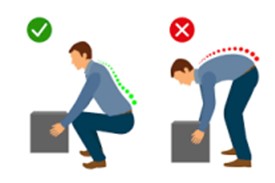
A nurse is teaching a client who has strained her back muscles while preparing to move to a new apartment. Which of the following instructions should the nurse include?
A. Twist at the waist when she moves an object to one side.
Twisting at the waist while lifting or moving an object can strain the back muscles and potentially lead to injury. The nurse should advise against this.
B. Relax Her abdominal muscles when she lifts an object.
Relaxing the abdominal muscles while lifting an object can lead to inadequate support for the spine, potentially causing further strain or injury. The nurse should instruct the client to engage the abdominal muscles for stability.
C. Bend at the knees when picking up an object.
Correct. Bending at the knees when picking up an object helps distribute the weight more evenly and reduces strain on the back muscles. This is a safe and recommended technique for lifting.
D. Hold an object away from her body as she lifts it.
Holding an object away from the body while lifting it can increase the strain on the back muscles. The client should be advised to keep the object close to their body for better support and balance.
Full Explanation
A. Twisting at the waist while lifting or moving an object can strain the back muscles and potentially lead to injury. The nurse should advise against this.
B. Relaxing the abdominal muscles while lifting an object can lead to inadequate support for the spine, potentially causing further strain or injury. The nurse should instruct the client to engage the abdominal muscles for stability.
C. Correct. Bending at the knees when picking up an object helps distribute the weight more evenly and reduces strain on the back muscles. This is a safe and recommended technique for lifting.
D. Holding an object away from the body while lifting it can increase the strain on the back muscles. The client should be advised to keep the object close to their body for better support and balance.