
Nursing practice questions with comprehensive rationales
NurseDive Free Nursing Practice Question
A nurse is assisting in the care of a client who is at 34 weeks of gestation and is experiencing lower back pain. Which of the following recommendations should the nurse make?
A. Sit in a hot tub for 30 min every evening
Sit in a hot tub for 30 min every evening: Hot tubs and hot baths are not recommended during pregnancy as they can raise the body temperature too high, which can be harmful to the developing fetus.
B. Raise chairs to keep knees lower than hips
Raise chairs to keep knees lower than hips: This recommendation is more appropriate for promoting good posture and reducing strain on the back, but it may not specifically address lower back pain.
C. Use the arms to pick up heavy items
Use the arms to pick up heavy items: It is important to avoid heavy lifting during pregnancy as it can strain the back and increase the risk of injury. It is recommended to use proper lifting techniques, such as bending the knees and using the leg muscles rather than the back muscles, to lift objects.
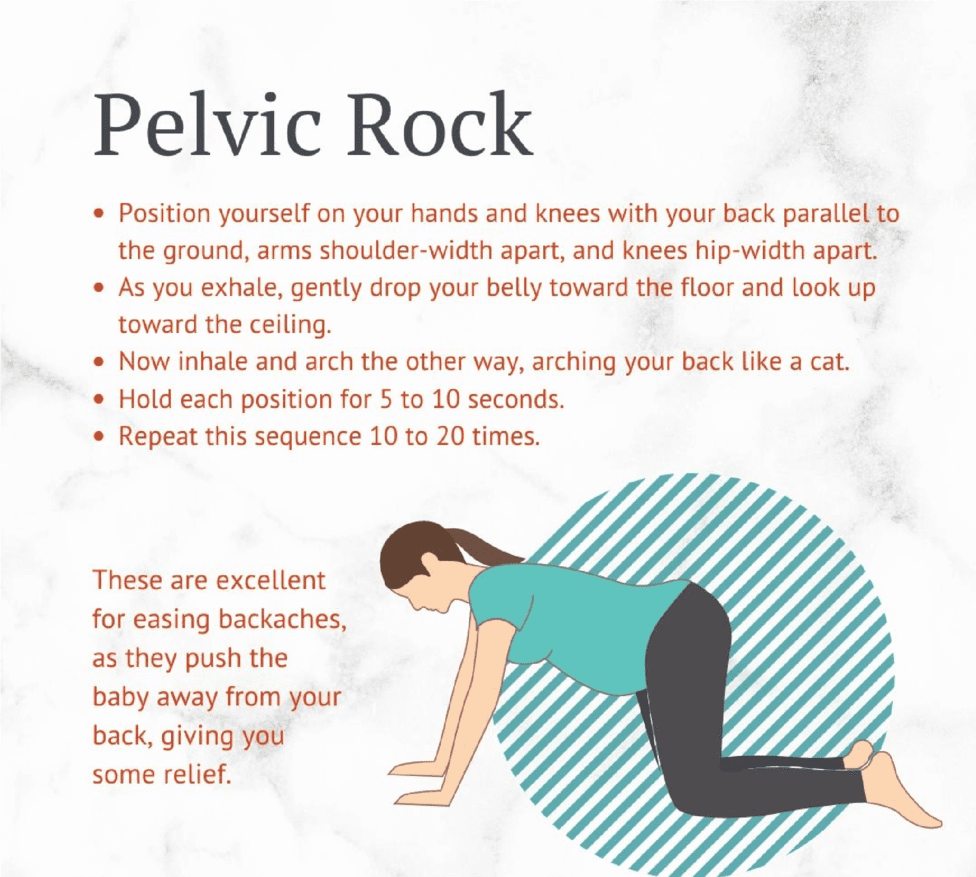
D. Perform pelvic rocking exercises several times per day
Pelvic rocking exercises can help relieve lower back pain during pregnancy. The client can perform this exercise by getting on their hands and knees, keeping their back straight, and gently rocking their pelvis back and forth. This helps to stretch and strengthen the muscles in the lower back and pelvis.
This question is an excerpt from Nurse Dive's nursing test bank - ATI PN Comprehensive Predictor 2023 - Proctored Exam 1. Take the full exam now
Full Explanation
Pelvic rocking exercises can help relieve lower back pain during pregnancy. The client can perform this exercise by getting on their hands and knees, keeping their back straight, and gently rocking their pelvis back and forth. This helps to stretch and strengthen the muscles in the lower back and pelvis.
Sit in a hot tub for 30 min every evening: Hot tubs and hot baths are not recommended during pregnancy as they can raise the body temperature too high, which can be harmful to the developing fetus.
Raise chairs to keep knees lower than hips: This recommendation is more appropriate for promoting good posture and reducing strain on the back, but it may not specifically address lower back pain.
Use the arms to pick up heavy items: It is important to avoid heavy lifting during pregnancy as it can strain the back and increase the risk of injury. It is recommended to use proper lifting techniques, such as bending the knees and using the leg muscles rather than the back muscles, to lift objects.
Similar Questions
A nurse is reinforcing teaching with a female client who is taking phenytoin. Which of the following statements should the nurse include in the teaching?
A. "You can safely take this medication if you become pregnant."
Phenytoin is known to be associated with an increased risk of birth defects in babies born to women taking the medication during pregnancy. It is important for women of childbearing age to discuss the risks and benefits of phenytoin with their healthcare provider and use effective contraception to avoid pregnancy while taking the medication.
B. "You should expect to have blood work every 6 months while taking this medication."
Phenytoin can affect liver function, so regular monitoring of liver enzymes and blood levels of the medication is necessary.The frequency of blood work may vary depending on the individual's specific situation, so it is important to follow the healthcare provider's instructions. It is not advisable to skip a dose of phenytoin without consulting a healthcare provider.
C. "You might experience swollen gums while taking this medication."
Phenytoin is known to cause gingival hyperplasia, which is characterized by swollen and enlarged gums. This side effect is more common in long-term use and may require dental care and regular oral hygiene practices.
D. “You can skip a dose of this medication if you are nauseated."
Abruptly stopping or missing doses of antiepileptic medications can lead to breakthrough seizures or other complications. Any changes in the medication regimen should be discussed with the healthcare provider.
Full Explanation
Phenytoin is known to cause gingival hyperplasia, which is characterized by swollen and enlarged gums. This side effect is more common in long-term use and may require dental care and regular oral hygiene practices.
Phenytoin is known to be associated with an increased risk of birth defects in babies born to women taking the medication during pregnancy. It is important for women of childbearing age to discuss the risks and benefits of phenytoin with their healthcare provider and use effective contraception to avoid pregnancy while taking the medication.
Phenytoin can affect liver function, so regular monitoring of liver enzymes and blood levels of the medication is necessary. The frequency of blood work may vary depending on the individual's specific situation, so it is important to follow the healthcare provider's instructions. It is not advisable to skip a dose of phenytoin without consulting a healthcare provider.
Abruptly stopping or missing doses of antiepileptic medications can lead to breakthrough seizures or other complications. Any changes in the medication regimen should be discussed with the healthcare provider.
A nurse is caring for a 2-year-old child who has Clostridium difficile.
Which of the following actions should the nurse take?
A. Use an N95 respirator.
Is not necessary for the care of a child with Clostridium difficile. Respirators are typically used for airborne precautions, which are not indicated for this specific infection.
B. Instruct the parents to avoid bringing fresh flowers into the room.
Is not specific to the care of a child with Clostridium difficile. While it is generally recommended to minimize potential sources of contamination in healthcare settings, this particular instruction is not specific to this infection.
C. Initiate contact precautions.
Clostridium difficile is a bacterium that causes diarrhea and can be easily transmitted from person to person. Contact precautions are necessary to prevent the spread of the infection. This includes wearing gloves and a gown when providing direct care to the child, ensuring proper hand hygiene, and implementing proper disinfection protocols for the environment.
D. Place the child in a room that has a HEPA filtration system.
Is not necessary for the care of a child with Clostridium difficile. HEPA filtration systems are typically used for airborne precautions, which are not indicated for this specific infection.
Full Explanation
Explanation
C. Initiate contact precautions
Clostridium difficile is a bacterium that causes diarrhea and can be easily transmitted from person to person. Contact precautions are necessary to prevent the spread of the infection. This includes wearing gloves and a gown when providing direct care to the child, ensuring proper hand hygiene, and implementing proper disinfection protocols for the environment.
The other options are not necessary or specific to the care of a child with Clostridium difficile:
Using an N95 respirator in (option A) is not necessary for the care of a child with Clostridium difficile. Respirators are typically used for airborne precautions, which are not indicated for this specific infection.
Instructing the parents to avoid bringing fresh flowers into the room in (option)is not specific to the care of a child with Clostridium difficile. While it is generally recommended to minimize potential sources of contamination in healthcare settings, this particular instruction is not specific to this infection.
Placing the child in a room with a HEPA filtration system in (option D) is not necessary for the care of a child with Clostridium difficile. HEPA filtration systems are typically used for airborne precautions, which are not indicated for this specific infection.
A nurse is supervising an assistive personnel (AP) who is caring for a client who is at risk for falls. For which of the following actions by the AP should the nurse intervene?
A. Locks the wheels on the client's bed
Locking the wheels on the client's bed: This is an appropriate action to prevent the bed from rolling and ensures stability.
B. Clears furniture from the path leading to the bathroom
Clearing furniture from the path leading to the bathroom: This is a good practice as it creates a clear and safe path for the client to walk without obstacles.
C. Assists the client to the bathroom every 2 hr
Assisting the client to the bathroom every 2 hours: This is a proactive measure to prevent falls by ensuring regular toileting and minimizing the need for the client to get up and move independently. It's important to promote mobility and independence for the client while ensuring their safety.
D. Raises all four side-rails on the client's bed
The nurse should intervene when the AP raises all four side-rails on the client's bed. While it is important to ensure the client's safety and minimize the risk of falls, raising all four side-rails can be considered a restraint and may not be the best practice for fall prevention. The use of physical restraints, including all four side-rails, can lead to adverse outcomes such as entrapment, increased agitation, and decreased mobility.
Full Explanation
The nurse should intervene when the AP raises all four side-rails on the client's bed. While it is important to ensure the client's safety and minimize the risk of falls, raising all four side-rails can be considered a restraint and may not be the best practice for fall prevention. The use of physical restraints, including all four side-rails, can lead to adverse outcomes such as entrapment, increased agitation, and decreased mobility.
Locking the wheels on the client's bed: This is an appropriate action to prevent the bed from rolling and ensures stability.
Clearing furniture from the path leading to the bathroom: This is a good practice as it creates a clear and safe path for the client to walk without obstacles.
Assisting the client to the bathroom every 2 hours: This is a proactive measure to prevent falls by ensuring regular toileting and minimizing the need for the client to get up and move independently.
It's important to promote mobility and independence for the client while ensuring their safety.