Nursing practice questions with comprehensive rationales
NurseDive Free Nursing Practice Question
A nurse is assisting with caring for a client who has a new concussion following a motor-vehicle crash. The nurse should monitor the client for which of the following manifestations of increased intracranial pressure?
A. Nuchal rigidity
Nuchal rigidity is not a common symptom of increased ICP.
B. Batle's sign
Batle's sign is not a common symptom of increased ICP.
C. Polyuria
Polyuria is not a common symptom of increased ICP.
D. Lethargy
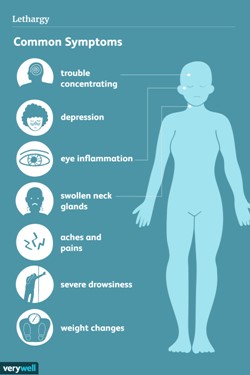
The nurse should monitor the client for lethargy as a manifestation of increased intracranial pressure. Increased intracranial pressure (ICP) is a rise in pressure around the brain that can occur due to various reasons such as brain injury, bleeding into the brain, swelling in the brain, or an increase in cerebrospinal fluid². Lethargy (feeling less alert than usual) is a common symptom of increased ICP.
This question is an excerpt from Nurse Dive's nursing test bank - ATI Custom MS Nurse Proctored Exam. Take the full exam now
Full Explanation
The nurse should monitor the client for lethargy as a manifestation of increased intracranial pressure. Increased intracranial pressure (ICP) is a rise in pressure around the brain that can occur due to various reasons such as brain injury, bleeding into the brain, swelling in the brain, or an increase in cerebrospinal fluid. Lethargy (feeling less alert than usual) is a common symptom of increased ICP.
a. Nuchal rigidity is not a common symptom of increased ICP.
b. Batle's sign is not a common symptom of increased ICP.
c. Polyuria is not a common symptom of increased ICP.
Similar Questions
A nurse is discussing skeletal and skin traction with a newly licensed nurse. Which of the following statements should the nurse identify as an indication that the newly licensed nurse understands these therapies?
A. "Skeletal traction is better than skin traction for reducing a fracture."
Skeletal traction is often better than skin traction for reducing and maintaining alignment of a fracture because it involves the insertion of pins, wires, or screws directly into the bone, allowing for greater force and stability.
B. "Clients in skin traction have more mobility than those in skeletal traction."
Clients in skin traction typically have less mobility compared to those in skeletal traction. Skin traction is usually used for short-term purposes or less severe fractures and involves attaching weights to the skin using adhesive materials or bandages, which can limit movement to some extent.
C. "Skeletal traction has less risk for infection than skin traction."
Skeletal traction involves inserting hardware into the bone, which creates an entry point for potential infection. Therefore, it has a higher risk for infection compared to skin traction, which does not involve invasive procedures.
D. "Clients in skin traction have more discomfort than those in skeletal traction."
While both types of traction can cause discomfort, skeletal traction is typically more invasive and can be associated with more discomfort and pain due to the pins or wires inserted into the bone. Skin traction, while uncomfortable due to the adhesive and pressure on the skin, generally causes less discomfort than skeletal traction.
Full Explanation
a. Skeletal traction is often better than skin traction for reducing and maintaining alignment of a fracture because it involves the insertion of pins, wires, or screws directly into the bone, allowing for greater force and stability.
b. Clients in skin traction typically have less mobility compared to those in skeletal traction. Skin traction is usually used for short-term purposes or less severe fractures and involves attaching weights to the skin using adhesive materials or bandages, which can limit movement to some extent.
c. Skeletal traction involves inserting hardware into the bone, which creates an entry point for potential infection. Therefore, it has a higher risk for infection compared to skin traction, which does not involve invasive procedures.
d. While both types of traction can cause discomfort, skeletal traction is typically more invasive and can be associated with more discomfort and pain due to the pins or wires inserted into the bone. Skin traction, while uncomfortable due to the adhesive and pressure on the skin, generally causes less discomfort than skeletal traction.
A nurse is assisting with the care of a newly-admited client who has acute osteomyelitis. Which of the following interventions is the priority for the nurse to implement?
A. Optimal nutrition and hydration
Optimal nutrition and hydration is important but not the priority intervention.
B. Surgical debridement of necrotic tissue
Surgical debridement of necrotic tissue may be necessary but is not the priority intervention.
C. Antibiotic therapy
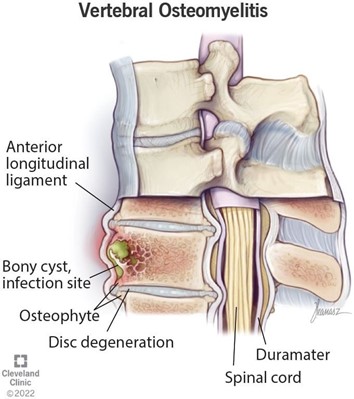
The priority intervention for the nurse to implement for a newly-admitted client who has acute osteomyelitis is antibiotic therapy. Osteomyelitis is an inflammatory condition of bone secondary to an infectious process¹. Antibiotics are the primary treatment option and should be tailored based on culture results and individual patient factors.
D. Antipyretic therapy
Antipyretic therapy may be necessary but is not the priority intervention.
Full Explanation
The priority intervention for the nurse to implement for a newly-admitted client who has acute osteomyelitis is antibiotic therapy. Osteomyelitis is an inflammatory condition of bone secondary to an infectious process¹. Antibiotics are the primary treatment option and should be tailored based on culture results and individual patient factors.
a. Optimal nutrition and hydration is important but not the priority intervention.
b. Surgical debridement of necrotic tissue may be necessary but is not the priority intervention.
d. Antipyretic therapy may be necessary but is not the priority intervention.
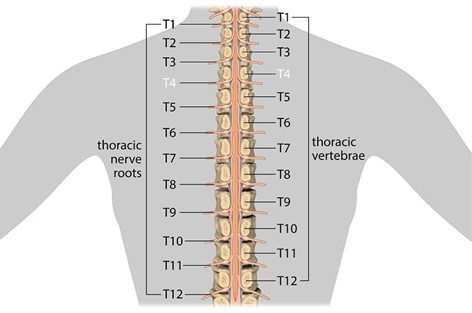
A nurse is caring for a client who has a spinal cord injury at T-4. The nurse should recognize that the client is at risk for autonomic dysreflexia. Which of the following interventions should the nurse take to prevent autonomic dysreflexia?
A. Monitor for elevated blood pressure.
Monitoring for elevated blood pressure is important but not an intervention to prevent autonomic dysreflexia.
B. Provide analgesia for headaches.
Providing analgesia for headaches is important but not an intervention to prevent autonomic dysreflexia.
C. Prevent bladder distention.
To prevent autonomic dysreflexia, the nurse should take the intervention of preventing bladder distention. Autonomic dysreflexia is a serious medical problem that can happen if a person has injured the spinal cord in their upper back¹. It makes their blood pressure dangerously high and can lead to a stroke, seizure, or cardiac arrest¹. One way to lower the chance of complications is to use the bathroom on a regular schedule and keep the bladder and bowels from becoming too full.
D. Elevate the client's head.
Elevating the client's head is important but not an intervention to prevent autonomic dysreflexia.
Full Explanation
To prevent autonomic dysreflexia, the nurse should take the intervention of preventing bladder distention. Autonomic dysreflexia is a serious medical problem that can happen if a person has injured the spinal cord in their upper back¹. It makes their blood pressure dangerously high and can lead to a stroke, seizure, or cardiac arrest¹. One way to lower the chance of complications is to use the bathroom on a regular schedule and keep the bladder and bowels from becoming too full.
a. Monitoring for elevated blood pressure is important but not an intervention to prevent autonomic dysreflexia.
b. Providing analgesia for headaches is important but not an intervention to prevent autonomic dysreflexia.
d. Elevating the client's head is important but not an intervention to prevent autonomic dysreflexia.