
Nursing practice questions with comprehensive rationales
NurseDive Free Nursing Practice Question
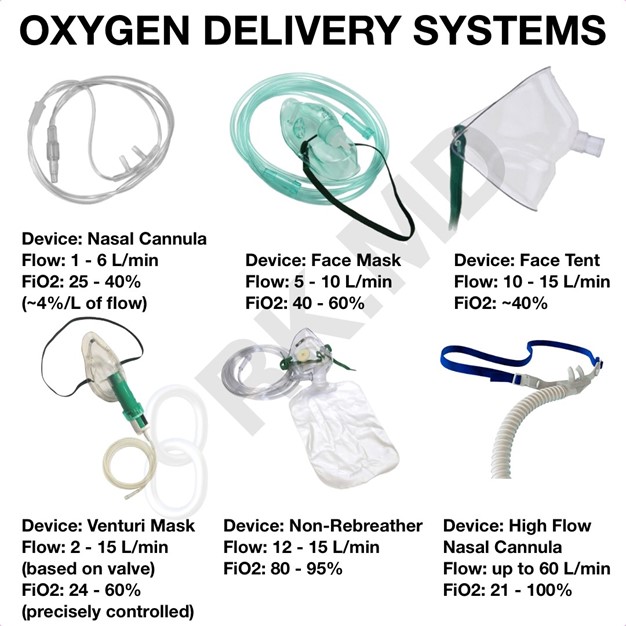
A nurse is assisting with discharge planning for a client who is prescribed home oxygen at 1 to 2 L/min. The nurse should ensure that the client has which of the following supplies upon discharge?
A. Petroleum jelly
Petroleum jelly is not directly related to oxygen therapy and is not typically required for the use of a nasal cannula.
B. Reservoir bag
A reservoir bag is not typically used with a nasal cannula. It is a component of a different oxygen delivery system called a non-rebreather mask, which is used for high-flow oxygen therapy or in emergency situations.
C. Nasal cannula
Since the client is prescribed home oxygen at 1 to 2 L/min, a nasal cannula is the most appropriate device for oxygen delivery in this scenario. A nasal cannula consists of two small prongs that are inserted into the client's nostrils, delivering oxygen directly into the nasal passages. It is a comfortable and commonly used device for low-flow oxygen therapy.
D. Oxygen mask
An oxygen mask is also not typically used with a nasal cannula. It is a separate oxygen delivery device that covers the client's mouth and nose, delivering oxygen at a higher flow rate. Masks may be used in situations where higher concentrations or flows of oxygen are required, or when the client is unable to tolerate or use a nasal cannula effectively.
This question is an excerpt from Nurse Dive's nursing test bank - ATI LPN Comprehensive Predictor 2023 Proctored Exam 3. Take the full exam now
Full Explanation
Since the client is prescribed home oxygen at 1 to 2 L/min, a nasal cannula is the most appropriate device for oxygen delivery in this scenario. A nasal cannula consists of two small prongs that are inserted into the client's nostrils, delivering oxygen directly into the nasal passages. It is a comfortable and commonly used device for low-flow oxygen therapy.
Petroleum jelly is not directly related to oxygen therapy and is not typically required for the use of a nasal cannula.
A reservoir bag is not typically used with a nasal cannula. It is a component of a different oxygen delivery system called a non-rebreather mask, which is used for high-flow oxygen therapy or in emergency situations.
An oxygen mask is also not typically used with a nasal cannula. It is a separate oxygen delivery device that covers the client's mouth and nose, delivering oxygen at a higher flow rate. Masks may be used in situations where higher concentrations or flows of oxygen are required, or when the client is unable to tolerate or use a nasal cannula effectively.
Similar Questions
The nurse is reviewing the medical records of the client who is exhibiting mania. Which of the following actions should the nurse take? Select all that apply.
Vital Signs 0800:
Heart rate 110/min Respiratory rate 20/min
Blood pressure 132/80 mm Hg Temperature 37.2° C (99° F)
1100:
Heart rate 120/min
Respiratory rate 24/min
Blood pressure 149/90 mm Hg Temperature 37.2° C (98.9° F)
A. Encourage the client to avoid caffeine.
Caffeine can exacerbate symptoms of mania by increasing restlessness and irritability. Avoiding caffeine can help in managing these symptoms.
B. Report lithium level to the provider.
Lithium is a common medication used to manage manic episodes in bipolar disorder. Monitoring lithium levels is crucial to ensure the client's safety and therapeutic effectiveness.
C. Provide step-by-step reminders regarding hygiene.
Clients experiencing mania may have difficulty focusing and completing tasks, including personal hygiene. Step-by-step reminders can help the client maintain proper hygiene.
D. Involve the client in group activities.
While social interaction can be beneficial, clients in a manic state may become overstimulated or disruptive in group settings. Individual activities are often more appropriate until the mania is better controlled.
E. Encourage the client to eat finger foods frequently.
Clients in a manic state may be too restless to sit down for meals. Offering finger foods allows them to eat while on the go, helping to maintain adequate nutrition.
F. Redirect aggressive behaviors
Clients with mania may exhibit aggressive behaviors. Redirecting these behaviors to safer or more appropriate outlets is important for the safety of the client and others.
G. Monitor the blood pressure and heart rate every 4 hr.
The client's vital signs indicate an increase in heart rate and blood pressure, which are important to monitor closely as they can be affected by the heightened physical activity and agitation associated with mania.
H. Weigh the client daily.
Lithium can cause fluid retention and weight gain. Daily weight monitoring helps detect sudden increases that may indicate fluid imbalance or early signs of lithium toxicity. It also assists in managing and adjusting treatment as needed to prevent complications.
Full Explanation
A. Caffeine can exacerbate symptoms of mania by increasing restlessness and irritability. Avoiding caffeine can help in managing these symptoms.
B. Lithium is a common medication used to manage manic episodes in bipolar disorder. Monitoring lithium levels is crucial to ensure the client's safety and therapeutic effectiveness.
C. Clients experiencing mania may have difficulty focusing and completing tasks, including personal hygiene. Step-by-step reminders can help the client maintain proper hygiene.
D. While social interaction can be beneficial, clients in a manic state may become overstimulated or disruptive in group settings. Individual activities are often more appropriate until the mania is better controlled.
E. Clients in a manic state may be too restless to sit down for meals. Offering finger foods allows them to eat while on the go, helping to maintain adequate nutrition.
F. Clients with mania may exhibit aggressive behaviors. Redirecting these behaviors to safer or more appropriate outlets is important for the safety of the client and others.
G. The client's vital signs indicate an increase in heart rate and blood pressure, which are important to monitor closely as they can be affected by the heightened physical activity and agitation associated with mania.
H. Lithium can cause fluid retention and weight gain. Daily weight monitoring helps detect sudden increases that may indicate fluid imbalance or early signs of lithium toxicity. It also assists in managing and adjusting treatment as needed to prevent complications.
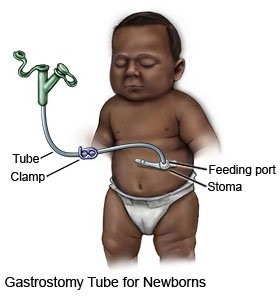
A nurse is providing site care for a child who has a gastrostomy enteral tube. Which of the following actions should the nurse take?
A. Tape the tube to the child's cheek.
Taping the tube to the child's cheek is not typically done as it can cause discomfort and skin irritation. The tube should be secured with a stabilization device or a specialized dressing designed for gastrostomy tube care.
B. Apply a skin barrier protectant to the site.
Applying a skin barrier protectant around the gastrostomy site is a good practice. It helps protect the skin from irritation, breakdown, and leakage of gastric contents, which can cause skin excoriation. This helps maintain the integrity of the skin around the site.
C. Apply water-soluble lubricant to the site.
Applying water-soluble lubricant to the site is not necessary for routine site care. Lubrication is typically used when inserting or removing the tube, but it is not part of routine site care
D. Attach an extension tube to the site's opening prior to use.
Some gastrostomy tubes require an extension set for feeding, especially low-profile devices (e.g., button-type gastrostomy tubes). This extension makes it easier to administer feeds or medications and can be removed afterward. However, this is not typically part of routine site care.
Full Explanation
Some gastrostomy tubes require an extension set for feeding, especially low-profile devices (e.g., button-type gastrostomy tubes). This extension makes it easier to administer feeds or medications and can be removed afterward. However, this is not typically part of routine site care.
Taping the tube to the child's cheek is not typically done as it can cause discomfort and skin irritation. The tube should be secured with a stabilization device or a specialized dressing designed for gastrostomy tube care.
Applying a skin barrier protectant around the gastrostomy site is a good practice. It helps protect the skin from irritation, breakdown, and leakage of gastric contents, which can cause skin excoriation. This helps maintain the integrity of the skin around the site.
Applying water-soluble lubricant to the site is not necessary for routine site care. Lubrication is typically used when inserting or removing the tube, but it is not part of routine site care.
A nurse is reinforcing teaching with a client who is about to undergo surgery. Which of the following statements about informed consent should the nurse include in the teaching?
A. "We can accept verbal consent unless the surgical procedure is an emergency."
"We can accept verbal consent unless the surgical procedure is an emergency." Verbal consent is generally not sufficient for most non-emergency surgical procedures. Informed consent typically requires a written documentation, signed by the patient or their legally authorized representative, to ensure clarity, accountability, and legal protection.
B. "You can sign the informed consent form after the provider explains the pros and cons of the procedure."
Informed consent is a crucial aspect of the patient's rights and autonomy in healthcare. It involves the voluntary and knowledgeable agreement of a competent individual to undergo a specific medical intervention or procedure. The provider is responsible for explaining the procedure, its potential risks and benefits, alternative options, and any potential complications to the patient. Once the patient has received this information and has had an opportunity to ask questions, they can provide their consent by signing the informed consent form.
C. "We require informed consent for all routine treatments."
"We require informed consent for all routine treatments." Informed consent is typically required for invasive procedures, surgeries, and treatments with potential risks. Routine treatments that are considered low risk and part of standard care may not require explicit informed consent. However, it is still important for healthcare providers to inform and involve patients in their care decisions.
D. "A family member must witness your signature on the informed consent form."
"A family member must witness your signature on the informed consent form." While it is often beneficial to have a witness to the patient's informed consent, it does not necessarily have to be a family member. The witness can be any competent individual who can attest to the patient's signing of the form and their understanding of the procedure.
Full Explanation
Informed consent is a crucial aspect of the patient's rights and autonomy in healthcare. It involves the voluntary and knowledgeable agreement of a competent individual to undergo a specific medical intervention or procedure. The provider is responsible for explaining the procedure, its potential risks and benefits, alternative options, and any potential complications to the patient. Once the patient has received this information and has had an opportunity to ask questions, they can provide their consent by signing the informed consent form.
"We can accept verbal consent unless the surgical procedure is an emergency." Verbal consent is generally not sufficient for most non-emergency surgical procedures. Informed consent typically requires a written documentation, signed by the patient or their legally authorized representative, to ensure clarity, accountability, and legal protection.
"We require informed consent for all routine treatments." Informed consent is typically required for invasive procedures, surgeries, and treatments with potential risks. Routine treatments that are considered low risk and part of standard care may not require explicit informed consent.
However, it is still important for healthcare providers to inform and involve patients in their care decisions.
"A family member must witness your signature on the informed consent form." While it is often beneficial to have a witness to the patient's informed consent, it does not necessarily have to be a family member. The witness can be any competent individual who can attest to the patient's signing of the form and their understanding of the procedure.