
Nursing practice questions with comprehensive rationales
NurseDive Free Nursing Practice Question
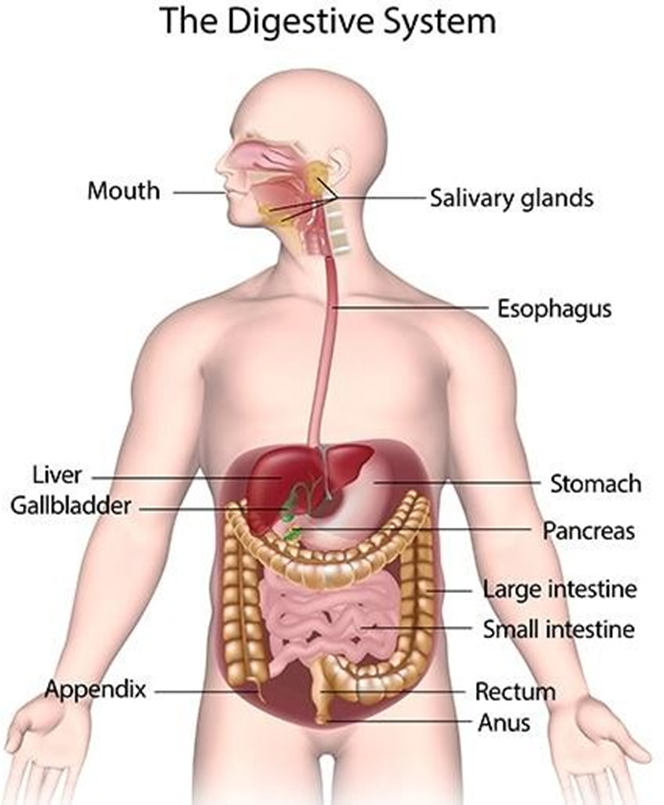
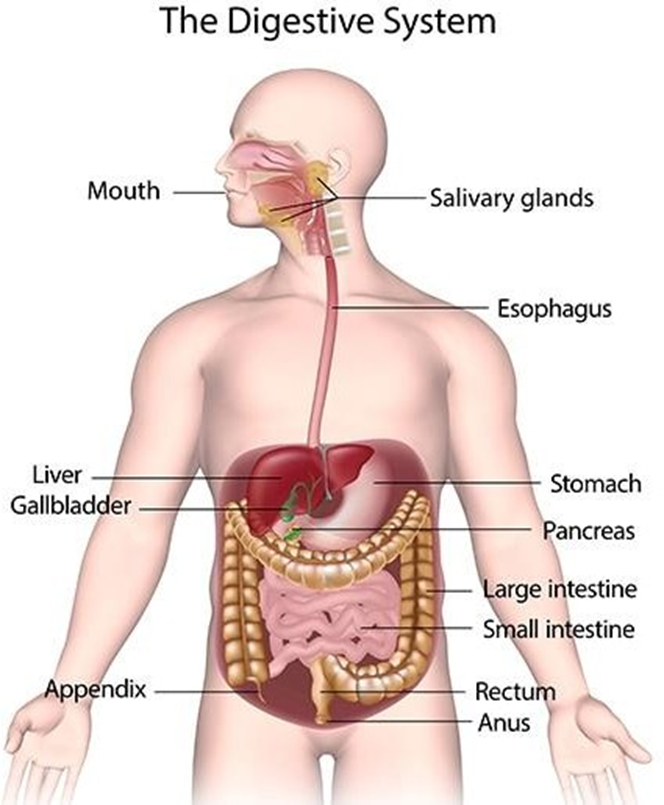
A nurse is assisting with teaching a class about the process of digestion. The nurse should include that food is transported through the gastrointestinal tract starting from which of the following locations?
A. Stomach
The stomach is where food mixes with digestive juices and begins the process of breaking down, but it's not the initial site where food enters the gastrointestinal tract.
B. Mouth
The mouth is where digestion begins as food is chewed and mixed with saliva, forming a bolus that starts the process of digestion before moving through the esophagus.
C. Rectum
The rectum is the final portion of the large intestine where waste is stored before elimination, not the starting point of digestion.
D. Small intestine
The small intestine is the primary site of nutrient absorption but is not the starting point where food enters the gastrointestinal tract.
This question is an excerpt from Nurse Dive's nursing test bank - LPN ATI Fundamental Proctored Exam - Paredes. Take the full exam now
Full Explanation
A. The stomach is where food mixes with digestive juices and begins the process of breaking down, but it's not the initial site where food enters the gastrointestinal tract.
B. The mouth is where digestion begins as food is chewed and mixed with saliva, forming a bolus that starts the process of digestion before moving through the esophagus.
C. The rectum is the final portion of the large intestine where waste is stored before elimination, not the starting point of digestion.
D. The small intestine is the primary site of nutrient absorption but is not the starting point where food enters the gastrointestinal tract.
Similar Questions
A nurse is assisting with teaching a client who is on a soft diet. Which of the following foods should the nurse include in the teaching?
A. Raw vegetables
Raw vegetables are generally harder and might not be suitable for a soft diet due to their texture.
B. Fruit with the skin
Fruits with the skin might be challenging to chew and are not recommended for a soft diet.
C. Ground beef
Ground beef can be a suitable protein source for a soft diet as it can be cooked until it's tender and easy to chew.
D. High-fiber cereals
High-fiber cereals might not be suitable for a soft diet as they could be difficult to chew and swallow.
Full Explanation
A. Raw vegetables are generally harder and might not be suitable for a soft diet due to their texture.
B. Fruits with the skin might be challenging to chew and are not recommended for a soft diet.
C. Ground beef can be a suitable protein source for a soft diet as it can be cooked until it's tender and easy to chew.
D. High-fiber cereals might not be suitable for a soft diet as they could be difficult to chew and swallow.
A nurse is reinforcing dietary teaching with a client who has iron deficiency anemia. The nurse should explain that which of the following food sources contains iron that is most easily absorbed by the body?
A. Spinach
Spinach contains iron, but it's a non-heme source of iron, which is less readily absorbed by the body compared to heme iron.
B. Chicken
Chicken contains heme iron, which is more easily absorbed by the body compared to non-heme iron found in plant-based sources.
C. Dried apricots
Dried apricots contain non-heme iron, which is less easily absorbed than heme iron.
D. Lentils
Lentils contain non-heme iron, which is also less easily absorbed compared to heme iron sources like chicken.
Full Explanation
A. Spinach contains iron, but it's a non-heme source of iron, which is less readily absorbed by the body compared to heme iron.
B. Chicken contains heme iron, which is more easily absorbed by the body compared to non-heme iron found in plant-based sources.
C. Dried apricots contain non-heme iron, which is less easily absorbed than heme iron.
D. Lentils contain non-heme iron, which is also less easily absorbed compared to heme iron sources like chicken.
The nurse uses a chart to show an obese patient who is trying to lose weight by counting the calories that each gram of carbohydrate supplies _ calories.
A. 9
9 calories per gram is the energy yield for fats, not carbohydrates.
B. 4
Carbohydrates provide approximately 4 calories per gram, which is the energy yield for this macronutrient.
C. 5
5 calories per gram is not the typical energy value for carbohydrates; it's closer to the value for proteins.
D. 6
6 calories per gram is not the energy yield for carbohydrates; it's closer to the value for alcohol.
Full Explanation
A. 9 calories per gram is the energy yield for fats, not carbohydrates.
B. Carbohydrates provide approximately 4 calories per gram, which is the energy yield for this macronutrient.
C. 5 calories per gram is not the typical energy value for carbohydrates; it's closer to the value for proteins.
D. 6 calories per gram is not the energy yield for carbohydrates; it's closer to the value for alcohol.