
Nursing practice questions with comprehensive rationales
NurseDive Free Nursing Practice Question
A nurse is assisting with the care of a client who is 1 day postoperative following a thyroidectomy and reports severe muscle spasms of the lower extremities. Which of the following actions should the nurse take?
A. Determine the client’s calcium level.
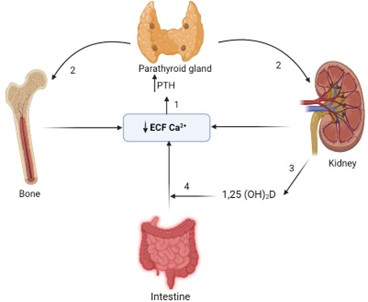
Choice A: Determine the client’s calcium level. This is the priority action for the nurse to take because the client might have hypocalcemia, which is a low level of calcium in the blood. Hypocalcemia can occur after a thyroidectomy due to accidental removal or damage of the parathyroid glands, which regulate calcium levels. Hypocalcemia can cause muscle spasms, tetany, paresthesia, and seizures.
B. Give the client an oral potassium supplement.
Choice B: Give the client an oral potassium supplement. This is not an appropriate action for the nurse to take because the client might have hyperkalemia, which is a high level of potassium in the blood. Hyperkalemia can also occur after a thyroidectomy due to damage to the adrenal glands, which regulate potassium levels. Hyperkalemia can cause muscle weakness, arrhythmias, and cardiac arrest.
C. Administer intravenous normal saline solution.
Choice C: Administer intravenous normal saline solution. This is not a necessary action for the nurse to take because the client does not have signs of dehydration or fluid imbalance. Normal saline solution does not affect calcium or potassium levels.
D. Monitor the client’s peripheral pulses.
Choice D: Monitor the client’s peripheral pulses. This is an important action for the nurse to take, but not the priority. The nurse should monitor the client’s peripheral pulses for signs of decreased perfusion or ischemia, which can result from hypocalcemia or hyperkalemia affecting cardiac function. However, this should be done after determining the client’s calcium level and correcting it if needed.
This question is an excerpt from Nurse Dive's nursing test bank - ATI LPN Med Surg Proctored Exam. Take the full exam now
Full Explanation
Choice A: Determine the client’s calcium level. This is the priority action for the nurse to take because the client might have hypocalcemia, which is a low level of calcium in the blood. Hypocalcemia can occur after a thyroidectomy due to accidental removal or damage of the parathyroid glands, which regulate calcium levels. Hypocalcemia can cause muscle spasms, tetany, paresthesia, and seizures.
Choice B: Give the client an oral potassium supplement. This is not an appropriate action for the nurse to take because the client might have hyperkalemia, which is a high level of potassium in the blood. Hyperkalemia can also occur after a thyroidectomy due to damage to the adrenal glands, which regulate potassium levels. Hyperkalemia can cause muscle weakness, arrhythmias, and cardiac arrest.
Choice C: Administer intravenous normal saline solution. This is not a necessary action for the nurse to take because the client does not have signs of dehydration or fluid imbalance. Normal saline solution does not affect calcium or potassium levels.
Choice D: Monitor the client’s peripheral pulses. This is an important action for the nurse to take, but not the priority. The nurse should monitor the client’s peripheral pulses for signs of decreased perfusion or ischemia, which can result from hypocalcemia or hyperkalemia affecting the cardiac function. However, this should be done after determining the client’s calcium level and correcting it if needed.
Similar Questions
A nurse is reviewing the plan of care for a client experiencing an acute exacerbation of ulcerative colitis. Which of the following treatments should the nurse expect to administer?
A. Docusate
Choice A: Docusate. This is not a treatment that the nurse should expect to administer to a client with an acute exacerbation of ulcerative colitis. Docusate is a stool softener that can prevent constipation and straining, but it is not indicated for ulcerative colitis.
B. A corticosteroid medication
Choice B: A corticosteroid medication. This is a treatment that the nurse should expect to administer to a client with an acute exacerbation of ulcerative colitis, which is a chronic inflammatory bowel disease that causes ulcers and inflammation in the colon and rectum. A corticosteroid medication, such as prednisone, can reduce inflammation, suppress the immune system, and relieve symptoms such as diarrhea, bleeding, and pain.
C. Aspirin
Choice C: Aspirin. This is not a treatment that the nurse should expect to administer to a client with an acute exacerbation of ulcerative colitis. Aspirin is a nonsteroidal anti-inflammatory drug (NSAID) that can relieve pain and inflammation, but it can also irritate the gastrointestinal mucosa and worsen ulcerative colitis.
D. A bowel cathartic medication
Choice D: A bowel cathartic medication. This is not a treatment that the nurse should expect to administer to a client with an acute exacerbation of ulcerative colitis. A bowel cathartic medication, such as bisacodyl, can stimulate bowel movements and cleanse the colon, but it can also cause dehydration, electrolyte imbalance, and aggravate ulcerative colitis.
Full Explanation
Choice A: Docusate. This is not a treatment that the nurse should expect to administer to a client with an acute exacerbation of ulcerative colitis. Docusate is a stool softener that can prevent constipation and straining, but it is not indicated for ulcerative colitis.
Choice B: A corticosteroid medication. This is a treatment that the nurse should expect to administer to a client with an acute exacerbation of ulcerative colitis, which is a chronic inflammatory bowel disease that causes ulcers and inflammation in the colon and rectum. A corticosteroid medication, such as prednisone, can reduce inflammation, suppress the immune system, and relieve symptoms such as diarrhea, bleeding, and pain.
Choice C: Aspirin. This is not a treatment that the nurse should expect to administer to a client with an acute exacerbation of ulcerative colitis. Aspirin is a nonsteroidal anti-inflammatory drug (NSAID) that can relieve pain and inflammation, but it can also irritate the gastrointestinal mucosa and worsen ulcerative colitis.
Choice D: A bowel cathartic medication. This is not a treatment that the nurse should expect to administer to a client with an acute exacerbation of ulcerative colitis. A bowel cathartic medication, such as bisacodyl, can stimulate bowel movements and cleanse the colon, but it can also cause dehydration, electrolyte imbalance, and aggravate ulcerative colitis.
A nurse is assisting with the plan of care for a client who is 4 hr postoperative from a subtotal thyroidectomy. Which of the following implementations should the nurse recommend?
A. Check for bleeding on the dressing at the back of the client’s neck.
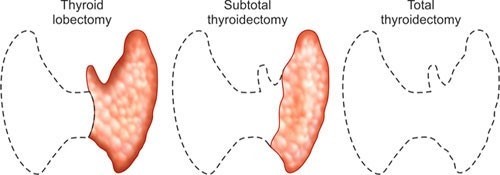
Choice A: Check for bleeding on the dressing at the back of the client’s neck. This is an implementation that the nurse should recommend for a client who is 4 hr postoperative from a subtotal thyroidectomy, which is a surgical removal of part of the thyroid gland. The nurse should check for bleeding on the dressing at the back of the client’s neck because this is where blood can pool and go unnoticed. Bleeding can cause hematoma, compression of the airway, and respiratory distress.
B. Ensure that acetylcysteine IV is readily available.
Choice B: Ensure that acetylcysteine IV is readily available. This is not an implementation that the nurse should recommend for a client who is 4 hr postoperative from a subtotal thyroidectomy. Acetylcysteine IV is an antidote for acetaminophen overdose, which can cause liver damage, but it is not related to thyroid surgery.
C. Place the client in a side-lying position.
Choice C: Place the client in a side-lying position. This is not an implementation that the nurse should recommend for a client who is 4 hr postoperative from a subtotal thyroidectomy. The nurse should place the client in a semi-Fowler’s position, which is a position with the head of the bed elevated to 30 to 45 degrees. This position can facilitate breathing, reduce edema, and prevent aspiration.
D. Check the client for asterixis.
Choice D: Check the client for asterixis. This is not an implementation that the nurse should recommend for a client who is 4 hr postoperative from a subtotal thyroidectomy. Asterixis is a sign of hepatic encephalopathy, which is a condition caused by liver failure, but it is not related to thyroid surgery.
Full Explanation
Choice A: Check for bleeding on the dressing at the back of the client’s neck. This is an implementation that the nurse should recommend for a client who is 4 hr postoperative from a subtotal thyroidectomy, which is a surgical removal of part of the thyroid gland. The nurse should check for bleeding on the dressing at the back of the client’s neck because this is where blood can pool and go unnoticed. Bleeding can cause hematoma, compression of the airway, and respiratory distress.
Choice B: Ensure that acetylcysteine IV is readily available. This is not an implementation that the nurse should recommend for a client who is 4 hr postoperative from a subtotal thyroidectomy. Acetylcysteine IV is an antidote for acetaminophen overdose, which can cause liver damage, but it is not related to thyroid surgery.
Choice C: Place the client in a side-lying position. This is not an implementation that the nurse should recommend for a client who is 4 hr postoperative from a subtotal thyroidectomy. The nurse should place the client in a semi-Fowler’s position, which is a position with the head of the bed elevated to 30 to 45 degrees. This position can facilitate breathing, reduce edema, and prevent aspiration.
Choice D: Check the client for asterixis. This is not an implementation that the nurse should recommend for a client who is 4 hr postoperative from a subtotal thyroidectomy. Asterixis is a sign of hepatic encephalopathy, which is a condition caused by liver failure, but it is not related to thyroid surgery.
A nurse is caring for a client who is scheduled for a colonoscopy. The client asks the nurse if there will be a lot of pain during the procedure. Which of the following responses should the nurse make?
A. “You shouldn’t feel any pain since the local area is anesthetized.”
Choice A: “You shouldn’t feel any pain since the local area is anesthetized.” This is not a response that the nurse should make to the client who is scheduled for a colonoscopy. The nurse should not tell the client that they will not feel any pain, as this may create unrealistic expectations and increase anxiety if they do experience discomfort. The nurse should also not tell the client that the local area is anesthetized, as this is not true. The client does not receive local anesthesia for a colonoscopy, but rather sedation and pain medication.
B. “Don’t worry, you won’t remember anything about the procedure due to the effects of the medication.”
Choice B: “Don’t worry, you won’t remember anything about the procedure due to the effects of the medication.” This is not a response that the nurse should make to the client who is scheduled for a colonoscopy. The nurse should not tell the client not to worry, as this may sound dismissive and insensitive to their concerns. The nurse should also not tell the client that they will not remember anything about the procedure, as this is not true. The client may receive conscious sedation for a colonoscopy, which means that they are awake but drowsy and relaxed. They may have some memory loss of the procedure, but they are not completely unconscious.
C. “Most clients report more discomfort from the preparation than from the procedure itself.”
Choice C: “Most clients report more discomfort from the preparation than from the procedure itself.” This is not a response that the nurse should make to the client who is scheduled for a colonoscopy. The nurse should not compare the client’s experience to other clients, as this may minimize their feelings and individual differences. The nurse should also not focus on the preparation, which involves drinking a large amount of liquid laxative to empty the colon, as this may increase anxiety and dread for the client. The nurse should instead focus on providing information and support for both the preparation and the procedure.
D. “You may feel some cramping during the procedure.”
Choice D: “You may feel some cramping during the procedure.” This is a response that the nurse should make to the client who is scheduled for a colonoscopy, which is a diagnostic test that uses a flexible tube with a camera to examine the colon and rectum. The nurse should inform the client that they may feel some cramping during the procedure as the tube is inserted and moved through the colon. The nurse should also reassure the client that they will receive sedation and pain medication to make them comfortable and relaxed.
Full Explanation
Choice A: “You shouldn’t feel any pain since the local area is anaesthetized.” This is not a response that the nurse should make to the client who is scheduled for a colonoscopy. The nurse should not tell the client that they will not feel any pain, as this may create unrealistic expectations and increase anxiety if they do experience discomfort. The nurse should also not tell the client that the local area is anaesthetized, as this is not true. The client does not receive local anesthesia for a colonoscopy, but rather sedation and pain medication.
Choice B: “Don’t worry, you won’t remember anything about the procedure due to the effects of the medication.” This is not a response that the nurse should make to the client who is scheduled for a colonoscopy. The nurse should not tell the client not to worry, as this may sound dismissive and insensitive to their concerns. The nurse should also not tell the client that they will not remember anything about the procedure, as this is not true. The client may receive conscious sedation for a colonoscopy, which means that they are awake but drowsy and relaxed. They may have some memory loss of the procedure, but they are not completely unconscious.
Choice C: “Most clients report more discomfort from the preparation than from the procedure itself.” This is not a response that the nurse should make to the client who is scheduled for a colonoscopy. The nurse should not compare the client’s experience to other clients, as this may minimize their feelings and individual differences. The nurse should also not focus on the preparation, which involves drinking a large amount of liquid laxative to empty the colon, as this may increase anxiety and dread for the client. The nurse should instead focus on providing information and support for both the preparation and the procedure.
Choice D: “You may feel some cramping during the procedure.” This is a response that the nurse should make to the client who is scheduled for a colonoscopy, which is a diagnostic test that uses a flexible tube with a camera to examine the colon and rectum. The nurse should inform the client that they may feel some cramping during the procedure as the tube is inserted and moved through the colon. The nurse should also reassure the client that they will receive sedation and pain medication to make them comfortable and relaxed.
