
Nursing practice questions with comprehensive rationales
NurseDive Free Nursing Practice Question
A nurse is assisting with the care of a client who is in labour. Which of the following findings should the nurse report to the provider?
A. Fetal heart rate 100/min for a 10-min period.
A fetal heart rate of 100/min for a 10-minute period is considered within the normal range. The normal fetal heart rate can range from 110 to 160 beats per minute, and a rate of 100 is not concerning.
B. Contraction resting period 35 seconds.
The resting period of a contraction refers to the time between contractions when the uterus is relaxed. A resting period of 35 seconds is also considered normal. In labor, the resting period between contractions allows the placenta to receive oxygen and nutrients, and 35 seconds is a rationaleable duration.
C. Contraction lasting 85 seconds.
A contraction lasting 85 seconds is abnormal and should be reported to the provider. Normally, contractions last around 60-90 seconds, but an 85-second contraction may indicate uterine hyperactivity or other issues that could potentially affect the well-being of both the mother and the baby.
D. Four contractions in a 10-min period.
Having four contractions in a 10-minute period is considered normal during labor. In fact, an average pattern includes 3-5 contractions within a 10-minute window, so this finding is not a cause for concern.
This question is an excerpt from Nurse Dive's nursing test bank - ATI PN Maternity Proctored Exam. Take the full exam now
Full Explanation
Choice A rationale:
A fetal heart rate of 100/min for a 10-minute period is considered within the normal range. The normal fetal heart rate can range from 110 to 160 beats per minute, and a rate of 100 is not concerning.
Choice B rationale:
The resting period of a contraction refers to the time between contractions when the uterus is relaxed. A resting period of 35 seconds is also considered normal. In labor, the resting period between contractions allows the placenta to receive oxygen and nutrients, and 35 seconds is a rationaleable duration.
Choice C rationale:
A contraction lasting 85 seconds is abnormal and should be reported to the provider. Normally, contractions last around 60-90 seconds, but an 85-second contraction may indicate uterine hyperactivity or other issues that could potentially affect the well-being of both the mother and the baby.
Choice D rationale:
Having four contractions in a 10-minute period is considered normal during labor. In fact, an average pattern includes 3-5 contractions within a 10-minute window, so this finding is not a cause for concern.
Similar Questions
A nurse is caring for a client who is at 38 weeks of gestation and has a score of 10 on her biophysical profile. Which of the following actions should the nurse take?
A. Administer oxygen and notify the provider.
Administering oxygen and notifying the provider is not necessary for a biophysical profile (BPP) score of 10. A score of 10 indicates that the fetus is well-oxygenated and there are no signs of distress.
B. Assure the client that the score is within the expected range.
A BPP score of 10 is considered normal and reassuring, indicating that the fetus is well-oxygenated and there are no signs of distress. Therefore, the nurse should assure the client that the score is within the expected range.
C. Offer the client orange juice and repeat the assessment in 1 hr.
Offering the client orange juice and repeating the assessment in 1 hour is not necessary for a BPP score of 10. This action might be considered if the score were lower and there was a need to reassess fetal well-being.
D. Assist the client into a side-lying position.
Assisting the client into a side-lying position is not required for a BPP score of 10. This position is typically recommended to improve uteroplacental blood flow in cases of fetal distress or lower BPP scores.
Full Explanation
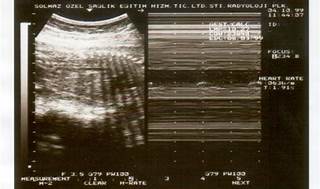
The correct answer is choice B. Assure the client that the score is within the expected range.
Choice A rationale:
Administering oxygen and notifying the provider is not necessary for a biophysical profile (BPP) score of 10. A score of 10 indicates that the fetus is well-oxygenated and there are no signs of distress.
Choice B rationale:
A BPP score of 10 is considered normal and reassuring, indicating that the fetus is well-oxygenated and there are no signs of distress. Therefore, the nurse should assure the client that the score is within the expected range.
Choice C rationale:
Offering the client orange juice and repeating the assessment in 1 hour is not necessary for a BPP score of 10. This action might be considered if the score were lower and there was a need to reassess fetal well-being.
Choice D rationale:
Assisting the client into a side-lying position is not required for a BPP score of 10. This position is typically recommended to improve uteroplacental blood flow in cases of fetal distress or lower BPP scores.
A nurse reinforcing teaching about vitamin K with a client who is postpartum. Which of the following statements should the nurse include?
A. Vitamin K decreases the newborn's risk of jaundice.
Vitamin K decreases the newborn's risk of jaundice. Rationale: This statement is incorrect. Vitamin K plays no direct role in reducing the risk of jaundice in newborns. Jaundice is primarily caused by the accumulation of bilirubin in the blood, which is a different issue than hemorrhagic disorders.
B. Vitamin K decreases the newborn's risk of health care-associated infections.
Vitamin K decreases the newborn's risk of healthcare-associated infections. Rationale: This statement is incorrect. Vitamin K is not related to reducing the risk of healthcare-associated infections. Its main function is related to blood clotting and preventing hemorrhagic disorders.
C. Vitamin K decreases the newborn's risk of hemorrhagic disorders.
Vitamin K decreases the newborn's risk of hemorrhagic disorders. Rationale: This statement is correct. Vitamin K is essential for the production of clotting factors in the blood, which helps prevent bleeding or hemorrhagic disorders in newborns. Newborns are born with low levels of vitamin K, so administering a vitamin K injection at birth is a common practice to prevent potential bleeding issues.
D. Vitamin K decreases the newborn's risk of complications from the Hepatitis B vaccine.
Vitamin K decreases the newborn's risk of complications from the Hepatitis B vaccine. Rationale: This statement is incorrect. Vitamin K is not directly related to reducing the risk of complications from the Hepatitis B vaccine. The vaccine is designed to protect against Hepatitis B infection, and vitamin K is not involved in its efficacy or safety.
Full Explanation
Choice A rationale :
Vitamin K decreases the newborn's risk of jaundice. Rationale: This statement is incorrect. Vitamin K plays no direct role in reducing the risk of jaundice in newborns. Jaundice is primarily caused by the accumulation of bilirubin in the blood, which is a different issue than hemorrhagic disorders.
Choice B rationale
Vitamin K decreases the newborn's risk of healthcare-associated infections. Rationale: This statement is incorrect. Vitamin K is not related to reducing the risk of healthcare-associated infections. Its main function is related to blood clotting and preventing hemorrhagic disorders.
Choice C rationale
Vitamin K decreases the newborn's risk of hemorrhagic disorders. Rationale: This statement is correct. Vitamin K is essential for the production of clotting factors in the blood, which helps prevent bleeding or hemorrhagic disorders in newborns. Newborns are born with low levels of vitamin K, so administering a vitamin K injection at birth is a common practice to prevent potential bleeding issues.
Choice D rationale
Vitamin K decreases the newborn's risk of complications from the Hepatitis B vaccine. Rationale: This statement is incorrect. Vitamin K is not directly related to reducing the risk of complications from the Hepatitis B vaccine. The vaccine is designed to protect against Hepatitis B infection, and vitamin K is not involved in its efficacy or safety.
A nurse is reinforcing teaching with a client who is pregnant and has a new prescription for ferrous sulfate due to iron-deficiency anaemia. The nurse should instruct the client to take this medication with which of the following?
A. Scrambled eggs.
Scrambled eggs. Taking ferrous sulfate with scrambled eggs is not the optimal choice because eggs contain phytates, which can bind to iron and reduce its absorption. Therefore, it may hinder the effectiveness of the iron supplement, and the client may not receive the full benefit of the medication.
B. A high-fiber meal.
A high-fiber meal. While fiber is generally beneficial for digestion and overall health, it is not the best choice to take with ferrous sulfate. Fiber can also interfere with iron absorption in the same way as phytates, potentially reducing the medication's effectiveness.
C. Orange juice.
Orange juice. The nurse should instruct the client to take the ferrous sulfate with orange juice. Orange juice is an excellent choice because it is rich in vitamin C. Vitamin C enhances the absorption of non-heme iron (the type of iron found in plant-based sources like ferrous sulfate). By taking the medication with orange juice, the client can maximize the absorption of iron and improve the treatment of iron-deficiency anemia.
D. Milk.
Milk. Consuming ferrous sulfate with milk is not advisable. Calcium, present in milk, can inhibit the absorption of iron. Therefore, taking the medication with milk might reduce the efficacy of the iron supplement and not provide the desired therapeutic effect.
Full Explanation
Choice A rationale :
Scrambled eggs. Taking ferrous sulfate with scrambled eggs is not the optimal choice because eggs contain phytates, which can bind to iron and reduce its absorption. Therefore, it may hinder the effectiveness of the iron supplement, and the client may not receive the full benefit of the medication.
Choice B rationale
A high-fibre meal. While fiber is generally beneficial for digestion and overall health, it is not the best choice to take with ferrous sulfate. Fiber can also interfere with iron absorption in the same way as phytates, potentially reducing the medication's effectiveness.
Choice C rationale
Orange juice. The nurse should instruct the client to take the ferrous sulfate with orange juice. Orange juice is an excellent choice because it is rich in vitamin C. Vitamin C enhances the absorption of non-heme iron (the type of iron found in plant-based sources like ferrous sulfate). By taking the medication with orange juice, the client can maximize the absorption of iron and improve the treatment of iron-deficiency anaemia.
Choice D rationale
Milk. Consuming ferrous sulfate with milk is not advisable. Calcium, present in milk, can inhibit the absorption of iron. Therefore, taking the medication with milk might reduce the efficacy of the iron supplement and not provide the desired therapeutic effect.