
Nursing practice questions with comprehensive rationales
NurseDive Free Nursing Practice Question
A nurse is caring for a 5-year-old child following a tonsillectomy and adenoidectomy.
Which of the following findings should the nurse identify as an indication of hemorrhage?
A. Blood pressure 95/56 mm Hg.
Choice A is wrong because a blood pressure of 95/56 mm Hg is within the normal range for a 5-year-old child.
B. Heart rate 54/min.
Choice B is wrong because a heart rate of 54/min is within the normal range for a 5-year-old child.
C. Continuous swallowing.
Continuous swallowing can be an indication of hemorrhage following a tonsillectomy and adenoidectomy. This is because the child may be swallowing blood that is coming from the surgical site.
D. Flushing of the face.
Choice D is wrong because flushing of the face is not an indication of hemorrhage following a tonsillectomy and adenoidectomy.
This question is an excerpt from Nurse Dive's nursing test bank - ATI RN Nursing Care of Children 2019 Proctored Exam. Take the full exam now
Full Explanation
Continuous swallowing can be an indication of hemorrhage following a tonsillectomy and adenoidectomy.
This is because the child may be swallowing blood that is coming from the surgical site.
Choice A is wrong because a blood pressure of 95/56 mm Hg is within the normal range for a 5-year-old child.
Choice B is wrong because a heart rate of 54/min is within the normal range for a 5-year-old child.
Choice D is wrong because flushing of the face is not an indication of hemorrhage following a tonsillectomy and adenoidectomy.
Similar Questions
A nurse is preparing to collect a urine specimen from a female infant using a urine collection bag.
Which of the following actions should the nurse take?
A. Position the opening of the bag over the urethra and the anus.
Incorrect because the bag should only cover the urethral opening. Covering the anus risks contamination of the urine sample.
B. Place a snug-fitting diaper over the drainage bag.
Incorrect because placing a diaper over the bag can dislodge it or prevent proper adhesion. Instead, the bag should remain exposed to adhere well.
C. Apply lidocaine gel to the perineum before attaching the bag.
Incorrect because lidocaine is unnecessary; applying topical anesthetic is not required for urine collection with a bag.
D. Stretch the perineum taut when applying the bag.
When collecting a urine specimen from a female infant using a urine collection bag, the nurse should ensure the perineal area is clean and the skin is dry. Stretching the perineum taut helps the bag adhere properly to the skin around the urethral opening, preventing leaks and contamination of the specimen.
Full Explanation
A. Incorrect because the bag should only cover the urethral opening. Covering the anus risks contamination of the urine sample.
B. Incorrect because placing a diaper over the bag can dislodge it or prevent proper adhesion. Instead, the bag should remain exposed to adhere well.
C. Incorrect because lidocaine is unnecessary; applying topical anesthetic is not required for urine collection with a bag.
D. When collecting a urine specimen from a female infant using a urine collection bag, the nurse should ensure the perineal area is clean and the skin is dry. Stretching the perineum taut helps the bag adhere properly to the skin around the urethral opening, preventing leaks and contamination of the specimen.
A nurse is planning care for a toddler who has developed oral ulcers in response to chemotherapy.
Which of the following actions should the nurse include in the plan of care?
A. Schedule routine oral care every 8 hours.
Choice A is wrong because routine oral care should be performed more frequently than every 8 hours.
B. Moisten the mucosa with lemon glycerin swabs.
Choice B is wrong because lemon glycerin swabs can dry out and irritate the mucosa.
C. Administer oral viscous lidocaine.
Choice C is wrong because oral viscous lidocaine should not be used in children due to the risk of toxicity.
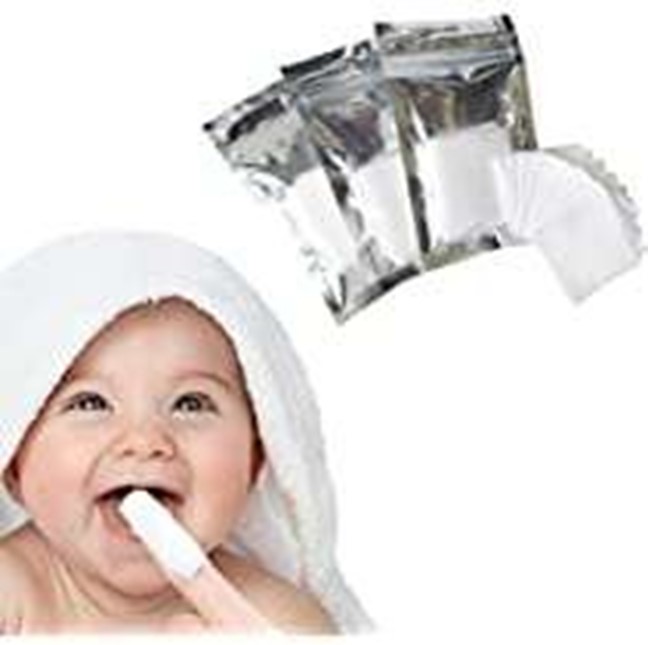
D. Cleanse the gums with saline-soaked gauze.
Cleanse the gums with saline-soaked gauze. This can help keep the mouth moist and clean, which is important for preventing infection and promoting healing of oral ulcers caused by chemotherapy.
Full Explanation
Cleanse the gums with saline-soaked gauze.
This can help keep the mouth moist and clean, which is important for preventing infection and promoting healing of oral ulcers caused by chemotherapy.
Choice A is wrong because routine oral care should be performed more frequently than every 8 hours.
Choice B is wrong because lemon glycerin swabs can dry out and irritate the mucosa.
Choice C is wrong because oral viscous lidocaine should not be used in children due to the risk of toxicity.
A nurse is planning care for a child who has varicella.
Which of the following interventions should the nurse plan to include?
A. Initiate airborne precautions.
Varicella (chickenpox) is highly contagious and can be spread through the air by coughing or sneezing. Airborne precautions help prevent the spread of the disease to others.
B. Assess the oral cavity for Koplik spots.
Choice B is wrong because Koplik spots are a symptom of measles, not varicella.
C. Provide the child with a warm blanket.
Choice C is wrong because providing a warm blanket is not a specific intervention for a child with varicella.
D. Administer aspirin for fever.
Choice D is wrong because aspirin should not be given to children with varicella due to the risk of Reye’s syndrome.
E. Administer aspirin for fever.
Full Explanation
Varicella (chickenpox) is highly contagious and can be spread through the air by coughing or sneezing.
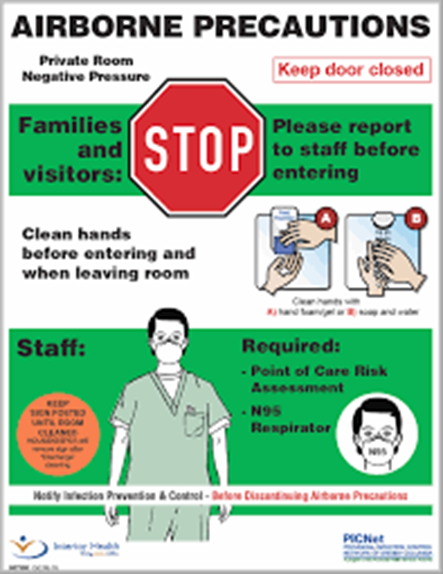
Airborne precautions help prevent the spread of the disease to others.
Choice B is wrong because Koplik spots are a symptom of measles, not varicella.
Choice C is wrong because providing a warm blanket is not a specific intervention for a child with varicella.
Choice D is wrong because aspirin should not be given to children with varicella due to the risk of Reye’s syndrome.