
Nursing practice questions with comprehensive rationales
NurseDive Free Nursing Practice Question
A. Ask the client if she has a plan to commit suicide.
Directly asking the client about suicidal plans is a critical step in assessing risk and determining the need for immediate intervention.
B. Notify the client's family and request a visitor to stay with the client until thoughts of suicide are gone.
While involving the family is important, it does not address the immediate risk the client may pose to herself.
C. Recognize the attempt at manipulation and escort the client back to her activity.
Recognizing the statement as a manipulation attempt is inappropriate; all expressions of suicidal ideation should be taken seriously.
D. Assist the client to her room and allow her to rest before resuming activity.
Allowing the client to rest does not address the immediate risk of suicide and the need for urgent assessment and intervention.
This question is an excerpt from Nurse Dive's nursing test bank - Ati Advanced Concept Proctored Exam 240. Take the full exam now
Full Explanation
Choice A reason: Directly asking the client about suicidal plans is a critical step in assessing risk and determining the need for immediate intervention.
Choice B reason: While involving the family is important, it does not address the immediate risk the client may pose to herself.
Choice C reason: Recognizing the statement as a manipulation attempt is inappropriate; all expressions of suicidal ideation should be taken seriously.
Choice D reason: Allowing the client to rest does not address the immediate risk of suicide and the need for urgent assessment and intervention.
Similar Questions
A newly admitted patient in an acute manic state has a nursing diagnosis of at risk for injury related to hyperactivity. Which nursing intervention is most appropriate?
A. Have the patient sit in his room while you review all the rules of the unit.
Having the patient sit alone while reviewing rules does not address the immediate risk of injury due to hyperactivity.
B. Reinforce previously learned coping mechanisms to calm the patient down.
Reinforcing coping mechanisms can help the patient manage hyperactivity and reduce the risk of injury.
C. Place the patient in a room with another hyperactive patient.
Placing the patient with another hyperactive patient could potentially exacerbate the situation and increase the risk of injury.
D. Administer antipsychotic medication as ordered and as needed by the physician.
While administering medication may be necessary, it should be done in conjunction with other interventions that address behavior management.
Full Explanation
Choice A reason: Having the patient sit alone while reviewing rules does not address the immediate risk of injury due to hyperactivity.
Choice B reason: Reinforcing coping mechanisms can help the patient manage hyperactivity and reduce the risk of injury.
Choice C reason: Placing the patient with another hyperactive patient could potentially exacerbate the situation and increase the risk of injury.
Choice D reason: While administering medication may be necessary, it should be done in conjunction with other interventions that address behavior management.
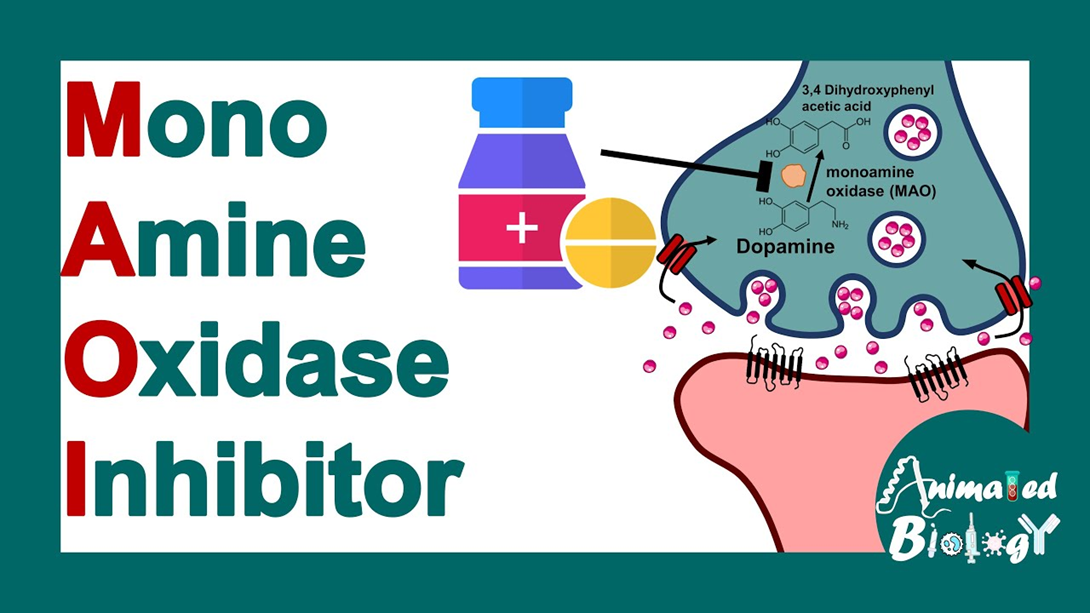
A nurse is caring for a client who has depression and is taking a monoamine oxidase inhibitor (MAOI). The nurse should inform the client that their diet may include which of the following foods?
A. Cheddar cheese and sourdough bread
Cheddar cheese is high in tyramine, which can interact with MAOIs and cause hypertensive crises, so it should be avoided.
B. Corned beef and sauerkraut
Corned beef and sauerkraut are also high in tyramine and should be avoided by clients taking MAOIs.
C. Cottage cheese and oranges
Cottage cheese and oranges are generally considered safe for clients taking MAOIs as they are low in tyramine.
D. Beer and red wine
Beer and red wine are high in tyramine and should be avoided by clients taking MAOIs due to the risk of severe hypertension.
Full Explanation
Choice A reason: Cheddar cheese is high in tyramine, which can interact with MAOIs and cause hypertensive crises, so it should be avoided.
Choice B reason: Corned beef and sauerkraut are also high in tyramine and should be avoided by clients taking MAOIs.
Choice C reason: Cottage cheese and oranges are generally considered safe for clients taking MAOIs as they are low in tyramine.
Choice D reason: Beer and red wine are high in tyramine and should be avoided by clients taking MAOIs due to the risk of severe hypertension.
The nurse reinforces teaching to the patient on left heart failure (HF). The nurse would evaluate the patient as understanding if the patient stated which of these occurs to blood flow through the heart?
A. Blood backs up from the left atrium.
In left HF, the left ventricle fails to pump blood forward efficiently, leading to congestion in the pulmonary circulation. As a result, blood backs up into the left atrium, causing symptoms such as pulmonary edema, shortness of breath, and fatigue. Left atrial enlargement may occur due to this backup of blood.
B. Blood backs up from the left ventricle.
In left HF, blood does not back up from the left ventricle. Instead, the left ventricle itself is weakened and unable to propel blood effectively into the systemic circulation.
C. Blood backs up from the right ventricle.
Blood backing up from the right ventricle is associated with right heart failure, not left HF. Right HF occurs when the right ventricle fails to pump blood efficiently, leading to congestion in the systemic venous circulation.
D. Blood backs up from the right atrium.
Blood backing up from the right atrium is also related to right heart failure. In left HF, the primary issue is congestion in the pulmonary circulation due to left ventricular dysfunction.
Full Explanation
Choice A Reason:In left HF, the left ventricle fails to pump blood forward efficiently, leading to congestion in the pulmonary circulation. As a result, blood backs up into the left atrium, causing symptoms such as pulmonary edema, shortness of breath, and fatigue. Left atrial enlargement may occur due to this backup of blood.
Choice B Reason:In left HF, blood does not back up from the left ventricle. Instead, the left ventricle itself is weakened and unable to propel blood effectively into the systemic circulation.
Choice C Reason:Blood backing up from the right ventricle is associated with right heart failure, not left HF. Right HF occurs when the right ventricle fails to pump blood efficiently, leading to congestion in the systemic venous circulation.
Choice D Reason:Blood backing up from the right atrium is also related to right heart failure. In left HF, the primary issue is congestion in the pulmonary circulation due to left ventricular dysfunction.