
Nursing practice questions with comprehensive rationales
NurseDive Free Nursing Practice Question
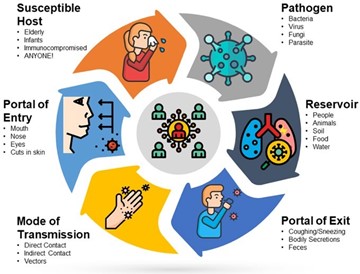
A nurse is caring for a client who acquired hepatitis A from consuming contaminated food. The client’s mouth is an example of which of the following links in the chain of infection?
A. Portal of entry
The chain of infection describes how an infection spreads based on six links of transmission: Infectious Agent, Reservoirs, Portal of Exit, Modes of Transmission, Portal of Entry, and Susceptible Host1. In this case, the client’s mouth is an example of a portal of entry, which is the route by which an infectious agent enters a new host1.
B. Infectious agent
C. Susceptible host
D. Reservoir
This question is an excerpt from Nurse Dive's nursing test bank - NURS 100 fundamentals swami test 14.18.23 proctored exam. Take the full exam now
Full Explanation
The chain of infection describes how an infection spreads based on six links of transmission: Infectious Agent, Reservoirs, Portal of Exit, Modes of Transmission, Portal of Entry, and Susceptible Host1. In this case, the client’s mouth is an example of a portal of entry, which is the route by which an infectious agent enters a new host1.
Similar Questions
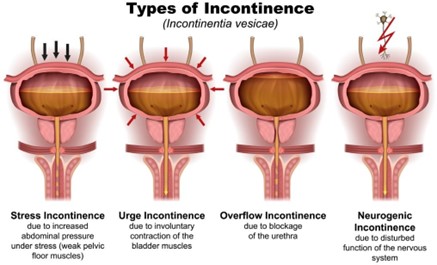
A nurse is caring for a client who has urinary incontinence. Which of the following actions should the nurse take?
A. Apply corn-starch to the client’s skin.
B. Allow the client’s skin to air-dry after cleaning.
C. Clean the client’s skin with a pH-balanced cleanser.
Urinary incontinence can lead to skin irritation and breakdown if the skin is not properly cleaned 1. Using a pH-balanced cleanser can help maintain the skin’s natural acidity and prevent irritation.
D. Use hot water to clean the client’s skin.
Full Explanation
Urinary incontinence can lead to skin irritation and breakdown if the skin is not properly cleaned 1. Using a pH-balanced cleanser can help maintain the skin’s natural acidity and prevent irritation.
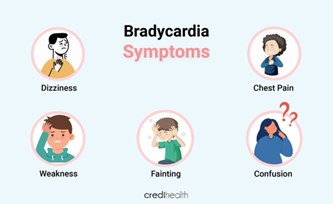
A nurse is assessing a client who has a heart rate of 56/min. Which of the following findings should the nurse expect?
A. Report of dizziness
A heart rate of 56/min is considered bradycardia, which is defined as a heart rate slower than 60 beats per minute 1. Bradycardia can prevent the brain and other organs from getting enough oxygen, possibly causing symptoms such as dizziness or light-headedness.
B. History of cigarete smoking
C. Hypoglycaemia
D. Temperature of 39°C (102°F)
Full Explanation
A heart rate of 56/min is considered bradycardia, which is defined as a heart rate slower than 60 beats per minute 1. Bradycardia can prevent the brain and other organs from getting enough oxygen, possibly causing symptoms such as dizziness or light-headedness.
A nurse is caring for a client who has Clostridium difficile (C. difficile). Which of the following actions should the nurse take?
A. Place the client in a room with negative pressure airflow.
B. Clean hands with soap and water after caring for the client.
C. Apply a mask on the client when they are outside their room.
D. Wash hands for 10 seconds after caring for the client.
Full Explanation
Clostridium difficile (C. difficile) is a highly contagious bacteria that can cause diarrhea and colitis 1. To prevent the spread of infection, it is important for the nurse to practice good hand hygiene by washing their hands with soap and water after caring for the client.